2026 Best Right Angle Milling Head for Precision Machining?
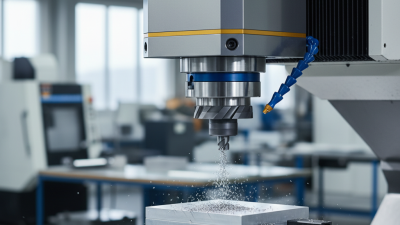
In the precision machining landscape, the Right Angle Milling Head stands as a critical tool for efficiency and accuracy. Recent industry reports highlight that over 70% of manufacturers prioritize machining precision, citing that a well-designed milling head directly impacts product quality. The Right Angle Milling Head allows for innovative machining solutions, enabling manufacturers to reach complex geometries with ease.
Moreover, the global market for milling tools is projected to grow by 5.6% annually, driven by advancements in CNC technology and material science. However, the choice of tooling remains a complex decision. Many machinists express frustration over performance disparities among various Right Angle Milling Heads. Inconsistent results can lead to costly reworks, sparking a call for enhanced reliability in tool design and selection.
As precision machining evolves, the demand for high-quality Right Angle Milling Heads is paramount. Companies are urged to invest in tools that not only promise precision but also offer durability and adaptability. The right choice can lead to improved manufacturing processes, setting a new standard in the industry.
Overview of Right Angle Milling Heads in Precision Machining
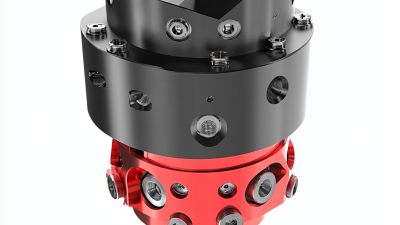
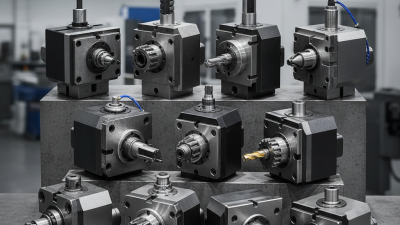
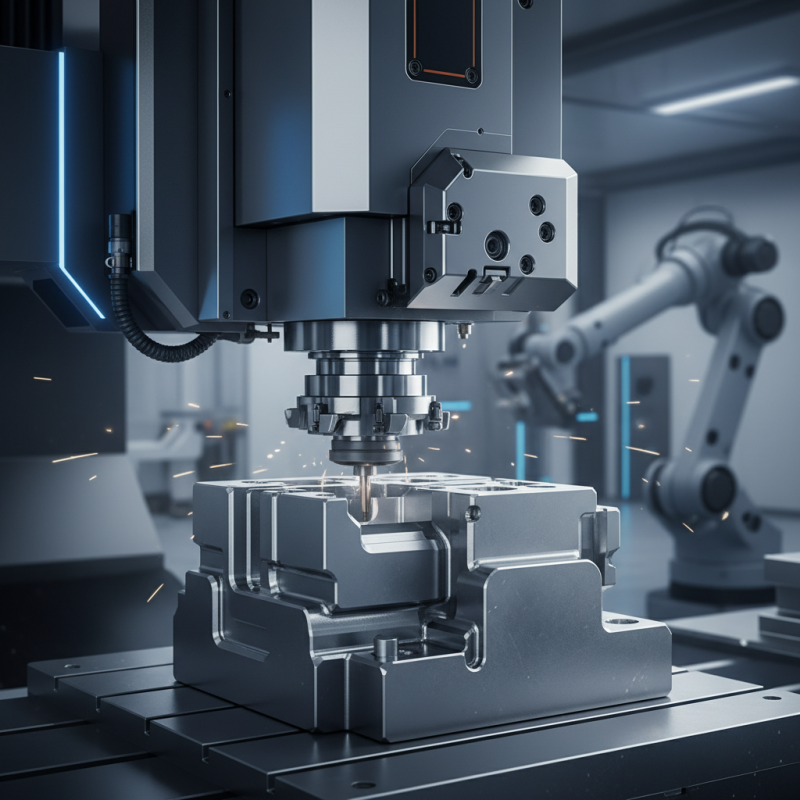
Right angle milling heads are essential tools in precision machining. They enable operators to work on complex geometries and tight spaces. These attachments offer significant versatility in various applications. Machinists often benefit from the ability to cut at multiple angles without repositioning the workpiece. This capability saves time and enhances precision.
Selecting the right milling head requires careful consideration of several factors. The type of material being machined plays a critical role. For softer materials, a different approach may be needed than for harder metals. Machinists frequently reflect on their choices and the outcomes achieved. Some users may struggle to find the perfect fit for their specific tasks.
Accuracy is paramount in machining. A poorly chosen milling head can lead to costly errors. Factors such as spindle speed and cutting tool design must align properly. Operators should evaluate their previous experiences with different heads. Learning from both successes and failures is vital for improvement. The intricacies of right angle milling heads demand a deep understanding of their mechanics and applications.
Key Features to Consider for Selecting a Milling Head
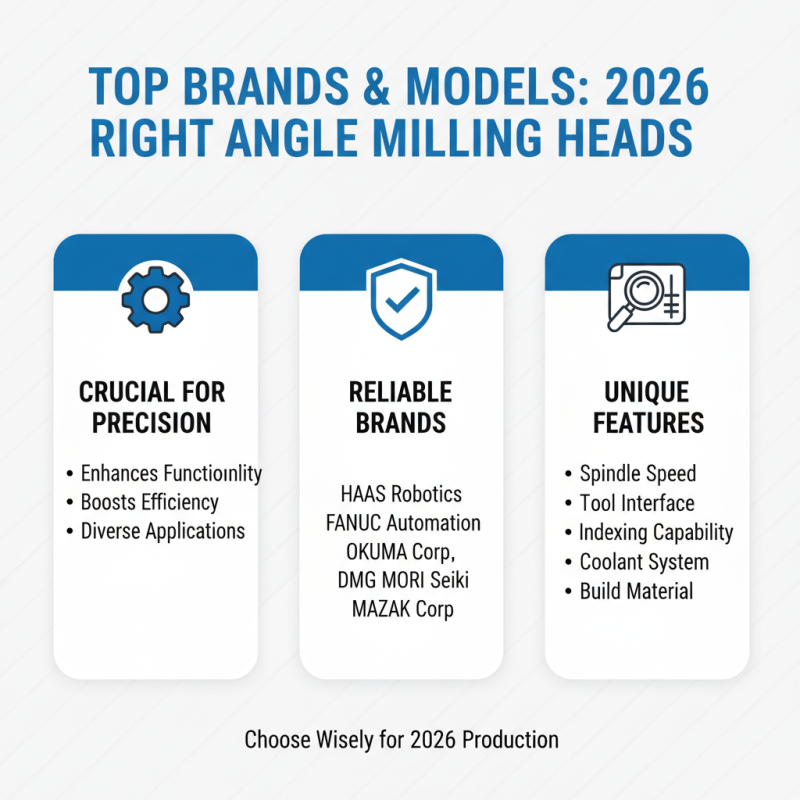
When selecting the best right angle milling head for precision machining, several key features deserve careful attention. The accuracy of the milling head is paramount. A report by the Precision Engineering Association shows that a mere 0.01 mm deviation can lead to significant production errors. Look for heads designed with minimal runout to ensure tight tolerances and repeatability in operations.
Material quality also plays a crucial role. High-strength steel and advanced composites can enhance durability and resist wear. Analyzing wear rates can provide insights into longevity. A durable milling head is a worthwhile investment, as it minimizes downtime and maintenance costs. Additionally, understanding the head's capacity for various tooling and its compatibility with different machining centers is essential.
Tips: Consider the weight of the milling head. Heavier models may provide stability but can affect your machine's speed. Also, evaluate ease of installation and adjustment. Complex setups can lead to errors during operations.
Precision is not just about product specs. User feedback is invaluable. Seek opinions from experienced machinists. Their insights into usability often highlight practical considerations not captured in technical data.
Comparative Analysis of Performance and Cost in Milling Heads
When evaluating milling heads for precision machining, performance and cost are critical factors.
Recent industry reports indicate that high-quality right angle milling heads can significantly enhance machining efficiency. For instance, heads designed with improved rigidity can reduce vibration, leading to better surface finishes. Notably, a head with a stiffness rating of 200 N/µm can outperform standard models, which often hover around 150 N/µm.
Cost remains a major consideration for manufacturers. Reports suggest that while premium milling heads may carry a price tag 30% higher, they often lead to a 15% reduction in cycle time. This leads to faster project completions and potentially greater profit margins. In terms of return on investment, it's worth acknowledging that not all high-cost models yield proportional performance benefits. Some lower-end models have shown adequate performance for specific applications, thereby requiring careful evaluation.
A thorough analysis should focus on the specific machining application. Certain materials may respond differently to various head designs. While some users prefer more robust options, others might find lighter models more suitable for their tasks. Such diversity highlights the importance of weighing all factors against unique production needs. Each choice carries its own merits and drawbacks, which demands continuous reflection and adjustment based on live performance data.
Future Trends in Right Angle Milling Technology and Applications
The future of right angle milling technology is poised for significant changes. Precision machining demands continuous innovation. Manufacturers are focusing on speed and accuracy. This evolution is driven by industries like aerospace and automotive. These sectors require high precision components that can only be achieved through advanced milling heads.
In 2026, we might see more automation in milling processes. Integrating AI and machine learning could enhance operational efficiency. Right angle milling heads may become more intuitive. Sensors will likely play a crucial role in monitoring performance and detecting issues. However, integrating these technologies presents challenges. Not all operators are trained to manage complex systems.
Moreover, sustainability in manufacturing is gaining importance. Future designs must consider energy efficiency and waste reduction. While new materials may improve durability, adapting to these changes could be difficult for some companies. Balancing innovation with practical implementation remains an ongoing concern. As technology advances, not every shop will easily adapt to these shifts.
2026 Best Right Angle Milling Head for Precision Machining
This chart illustrates the key performance metrics for the best right angle milling heads projected in 2026. The data reflects accuracy, durability, cost, weight, and versatility, which are crucial factors for precision machining applications.