Top Benefits of Using a Universal Milling Head in Modern Machining?
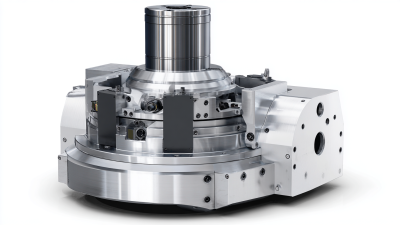
In modern machining, the "Universal Milling Head" stands out as a game changer. Renowned expert, Johnathan Smith, states, “The Universal Milling Head enhances precision and versatility.” This technology brings multiple advantages that can significantly impact production efficiency.
With a Universal Milling Head, manufacturers can achieve complex designs. Its unique ability to tilt and rotate provides access to various angles, crucial for intricate parts. This adaptability reduces the need for multiple machines, saving space and costs. However, the initial investment and learning curve can be daunting. Companies must weigh these factors carefully.
The precision offered by a Universal Milling Head is unmatched. Machinists often find it easier to produce high-quality components. This leads to fewer reworks and waste in resources. However, the key lies in skilled operators. A powerful tool must be wielded with expertise. Understanding these dynamics can lead to better implementation and improved outcomes in production settings.
Understanding Universal Milling Heads in Modern Machining
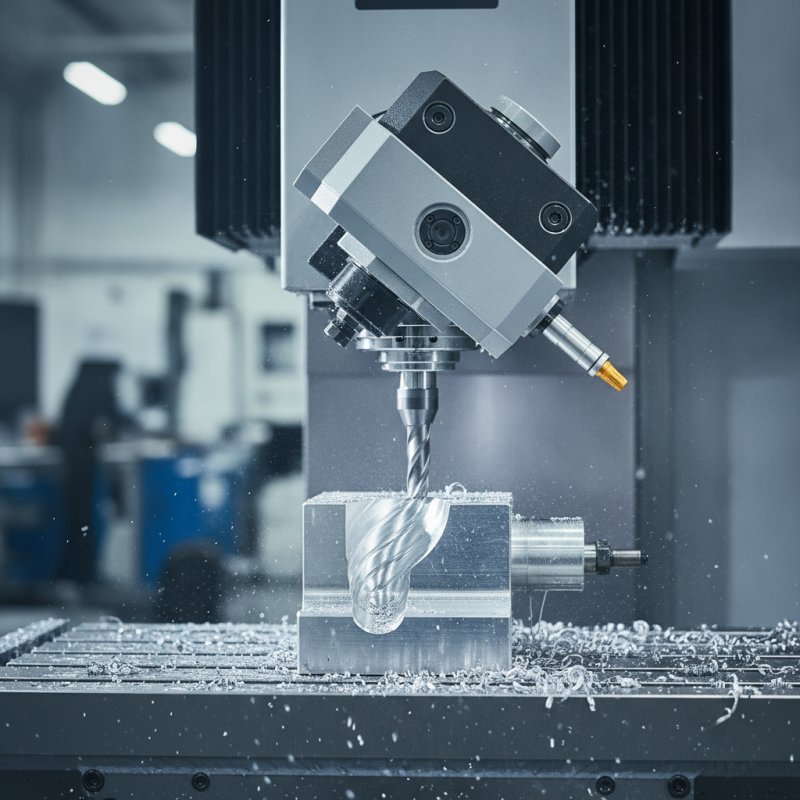
Universal milling heads play a crucial role in modern machining, enhancing versatility and precision in manufacturing processes. These tools allow machinists to perform multiple operations with a single setup. With their ability to adjust angles and orientations, universal milling heads facilitate complex tasks that would otherwise require different machines. This adaptability is essential in industries demanding high accuracy and efficiency.
When using a universal milling head, consider these tips. Ensure proper alignment before starting your work. Misalignment can lead to poor machining quality and wasted materials. Regularly inspect the tools for wear and damage. Using a damaged head can result in inaccuracies and increased tool wear.
Moreover, understanding the operational limits of the milling head is vital. Each machine has specific capabilities, and pushing beyond them can lead to failures. Tuning your approach based on the material and design will yield better results. Balancing speed with precision is essential. Take time to adjust settings based on the task requirements.
Key Advantages of Universal Milling Heads for Machinists
Universal milling heads offer significant advantages for modern machinists. Their flexibility allows for various milling angles and depths, enhancing the versatility of machining operations. With the capability to perform various tasks, machinists can save both time and resources. This adaptability leads to improved efficiency, especially in complex projects.
A well-designed universal milling head makes setups quicker. Adjustments can be made swiftly, reducing downtime between tasks. However, the initial learning curve can pose challenges for newer machinists. Familiarity with the equipment takes practice and patience. Despite this, those who master it often find increased productivity.
Precision is another critical benefit. Universal milling heads can achieve high accuracy, which is essential in industries where errors are costly. Yet, over-reliance on technology without understanding the fundamentals can lead to mistakes. Operators must balance using advanced machinery and maintaining essential skills. Attention to detail remains paramount to ensure quality outputs.
Versatility: Adapting to Various Machining Needs
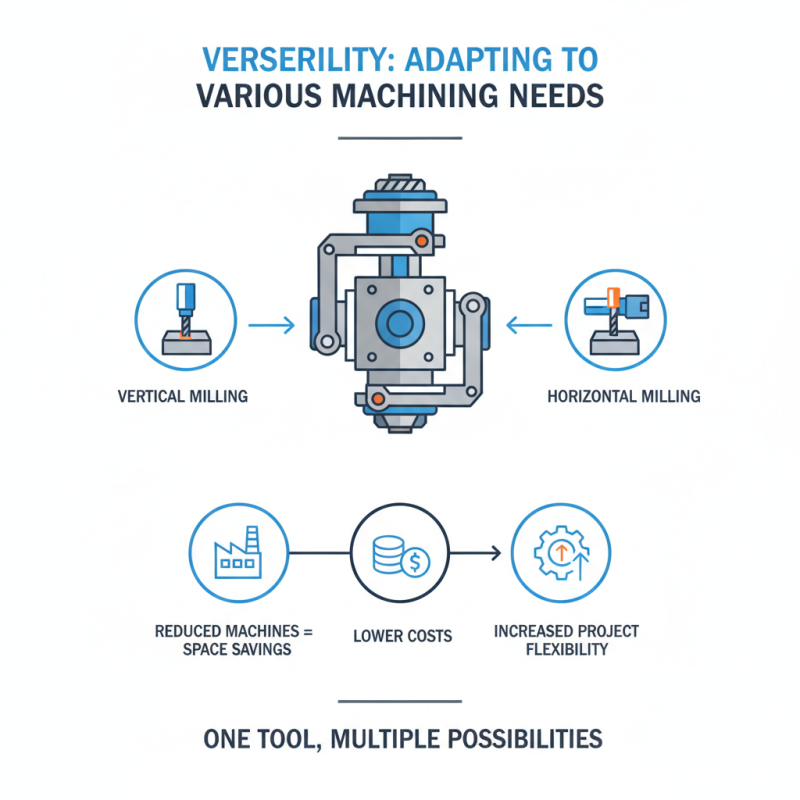
The versatility of a universal milling head offers significant advantages in modern machining. This tool can adapt to various machining needs, making it invaluable for different projects. For instance, it allows operators to perform vertical and horizontal milling with ease. This adaptability reduces the need for multiple machines, saving both space and costs.
Operators often encounter challenges when selecting the right tool for specific tasks. A universal milling head simplifies this decision. It can handle a range of materials and operations, from cutting intricate shapes to performing basic face milling. However, users should be aware that mastering its full potential requires practice. Understanding its settings and capabilities is essential.
In many machining environments, having versatile tools can lead to increased efficiency and productivity. Yet, some may find the learning curve steep. It's crucial to invest time in training and adjustment. As skilled operators become familiar with the universal milling head, they often discover it enhances their workflow. This journey can be enlightening, revealing new techniques and methods that improve overall machining processes.
Enhanced Precision and Efficiency in Manufacturing Processes
The universal milling head plays a critical role in modern machining, enhancing precision and efficiency. This tool enables complex movements and adjustments, allowing for multi-directional cutting. As a result, it can tackle intricate designs that fixed-position tools struggle with. The flexibility in operations leads to more accurate components, reducing the need for rework.
In manufacturing, time is crucial. The universal milling head streamlines processes, cutting down on cycle times. Operators can quickly switch between tasks. Enhanced precision lowers the likelihood of errors. However, finding skilled workers who can effectively utilize this equipment is a challenge. Without proper training, the potential benefits may not be fully realized.
While the advantages are clear, some drawbacks exist. Maintenance can be demanding. Operators must ensure parts are aligned correctly to maintain precision. It's important to regularly check for wear and tear. Any neglect can lead to significant setbacks in production. Manufacturers should invest in training and maintenance to fully harness the capabilities of a universal milling head.
Top Benefits of Using a Universal Milling Head in Modern Machining
Cost-Effectiveness and Time Savings with Universal Milling Heads
Universal milling heads are becoming increasingly popular in modern machining. They offer significant cost-effectiveness and time savings. Many machining tasks require flexibility and precision. Universal milling heads can pivot and rotate, allowing for diverse angles and complex shapes. This versatility reduces the need for multiple setups. Fewer setups translate into lower labor costs and decreased machine downtime.
Additionally, using universal milling heads can streamline the machining process. Traditional methods often involve extensive back-and-forth adjustments. With universal milling heads, operators can achieve desired specifications in fewer passes. This speed enhances productivity without compromising quality. However, the initial investment may seem high, and some operators hesitate. They might wonder if the efficiency justifies the cost.
Learning curves also exist. Users need to become familiar with the machinery. Training is essential for maximizing potential benefits. Some may struggle with programming and integration. This can slow down the anticipated gains. Regular evaluation of procedures and outcomes is vital. It helps in identifying areas for improvement. Embracing this technology is not without its challenges, but the rewards often outweigh the hurdles.