Best Dead Length Collets for Precision Machining Applications?
In precision machining, selecting the right tool is crucial. Dead Length Collets stand out as a vital option for enhanced accuracy and gripping strength. Expert engineer, Mark Johnson, emphasizes their importance: "Dead Length Collets ensure consistent results in high-precision applications." These collets minimize run-out, leading to superior finish quality.
However, the choice of Dead Length Collets can be complex. Factors such as material compatibility and collet design impact performance. Machinists must carefully consider their specific needs. A variation in dimensions or clamping force can lead to unexpected errors. Many users overlook these details, affecting overall production efficiency.
Moreover, not all Dead Length Collets are created equal. Choosing a reputable manufacturer is essential. Subpar products may compromise precision. Thus, understanding the inherent limitations of different types of collets is vital. Continuous improvement in this domain enhances machining outcomes, but it requires critical evaluation and informed decisions.
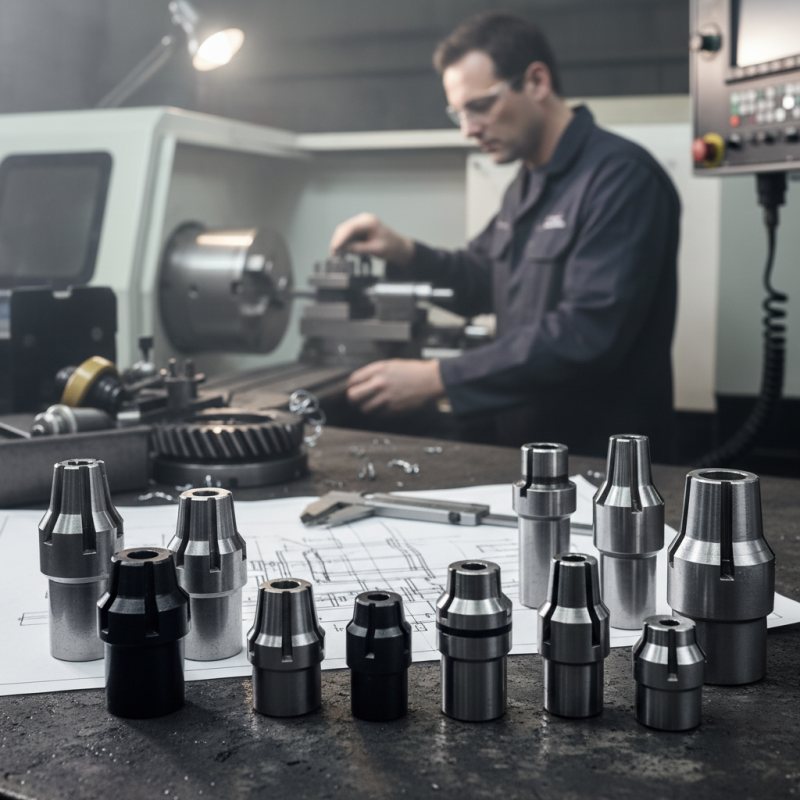
Best Practices for Selecting Dead Length Collets in Precision Machining
When it comes to choosing dead length collets for precision machining, understanding their significance is crucial. These collets ensure a reliable grip on workpieces, improving precision and repeatability. Selecting the right type is essential for avoiding workpiece damage and achieving the desired finish.
One should consider the size of the collet, as it directly affects the clamping force. An improperly sized collet can lead to slippage or distortion. It's important to gauge the tolerances of your machinery and choose collets that maintain these requirements. Additionally, the material of the collet plays a significant role. Different materials offer various levels of rigidity and wear resistance, impacting the machining process.
Evaluating the collet design is equally important. Some designs may offer better features for specific applications. Look for collets that minimize runout for enhanced accuracy. However, not all collet designs are universally compatible with all machines. It's wise to consult technical specifications to ensure compatibility with existing setups. Mistakes in selection can lead to costly downtime, so thorough research is vital for optimal results.
Best Dead Length Collets for Precision Machining Applications
| Collet Type |
Size Range (mm) |
Material |
Accuracy (µm) |
Ideal Applications |
| Dead Length Collet A |
1-20 |
Steel |
5 |
CNC Machining, Grinding |
| Dead Length Collet B |
2-25 |
Aluminum |
3 |
Precision Turning |
| Dead Length Collet C |
3-30 |
Brass |
4 |
High-Precision Applications |
| Dead Length Collet D |
5-35 |
Carbon Steel |
2 |
Medical Device Manufacturing |
Overview of Dead Length Collet Benefits for Improved Machining Accuracy
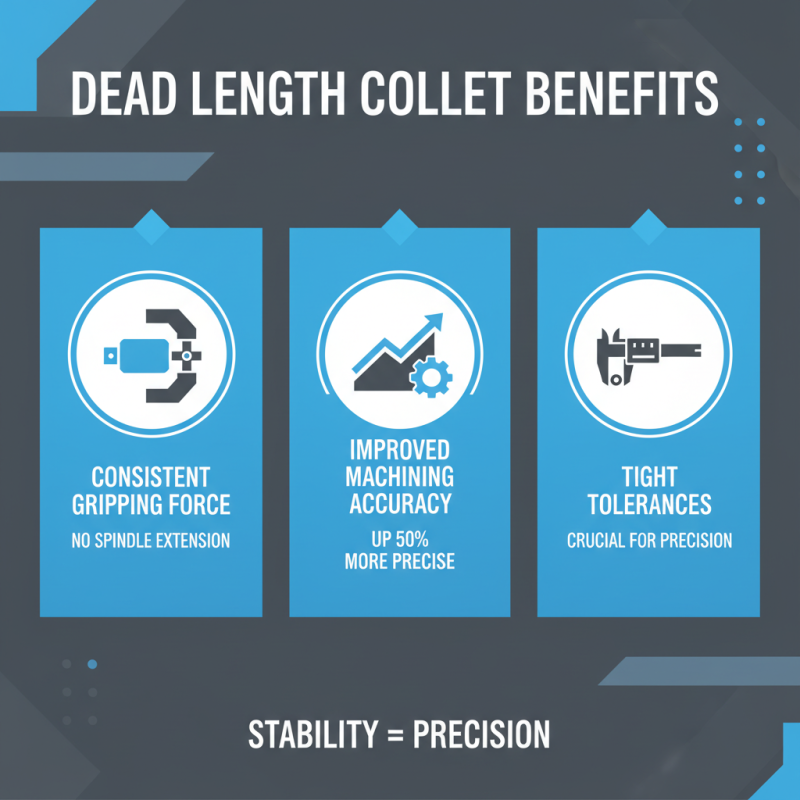
Dead length collets have gained popularity in precision machining applications due to their unique design and performance benefits. These collets provide consistent gripping force without extending beyond the spindle nose. This design leads to improved accuracy, as parts remain more stable during machining operations. In fact, industry studies show that using dead length collets can enhance machining precision by up to 50% compared to conventional collets. This accuracy is crucial for industries that demand tight tolerances.
One of the key advantages of dead length collets is their ability to handle complex geometries. They accommodate various workpiece shapes while maintaining a secure grip. This flexibility can reduce setup time in production environments. Additionally, they minimize recoil during cutting, leading to cleaner finishes and reduced tooling wear. When properly maintained, these collets can significantly prolong tool life.
Tips: Ensure regular inspection of your collets for wear and damage. Use appropriate lubrication to enhance their performance. Also, evaluate the setup process to maximize efficiency. In precision machining, even minor improvements can yield substantial results. While dead length collets offer compelling benefits, relying solely on one tool type without exploring alternatives may not always be ideal. Continuous assessment and adaptation are vital in maintaining machining excellence.
Comparative Analysis of Material Types in Dead Length Collets
When it comes to precision machining, dead length collets are essential for securely gripping workpieces. These tools vary greatly in material types, each bringing unique properties to the machining process. Common materials include steel, aluminum, and plastic. Steel collets offer durability and high strength, making them ideal for heavy-duty applications. However, they can be prone to rust and wear over time, necessitating regular maintenance.
On the other hand, aluminum collets are lightweight and provide good thermal conductivity. This characteristic can be beneficial when machining materials sensitive to heat. However, aluminum does not match steel's strength, which can be a factor in high-stress operations. Plastic collets, while less common, excel in specific scenarios where non-marring and lightweight applications are needed. Yet, their lower strength limits usage in demanding settings.
The choice of collet material should be guided by the specific requirements of the machining task. Considerations such as workload, environmental factors, and required precision play crucial roles. While steel may dominate in strength, aluminum or plastic can sometimes offer functional advantages. It's essential to analyze these factors to ensure the best fit for precision tasks. Reflection on the materials' trade-offs is crucial for optimal machining performance.
Key Specifications to Consider: Size, Grip Range, and Tolerance
When selecting dead length collets for precision machining, several key specifications emerge. Size is foundational. The collet must fit the workpiece perfectly. A collet that is too large may lead to slippage. Conversely, one that is too small will damage the workpiece. Ensuring the right fit is critical for optimal performance.
Grip range matters significantly. A collet with a broader grip range can accommodate various tool sizes. This versatility can enhance the overall efficiency of a machining process. However, if the grip range is too wide, it might reduce accuracy. This trade-off requires careful consideration based on specific machining projects.
Tolerance specifications also play a vital role. Higher tolerance allows for more precision but can demand meticulous setup and adjustments. Collets with wider tolerances might be easier to use but may compromise accuracy. It’s essential to evaluate specific project needs against these tolerances to achieve the best results. Engaging with these variables thoughtfully can make a significant difference in machining effectiveness.
Industry Standards and Performance Metrics for Dead Length Collets
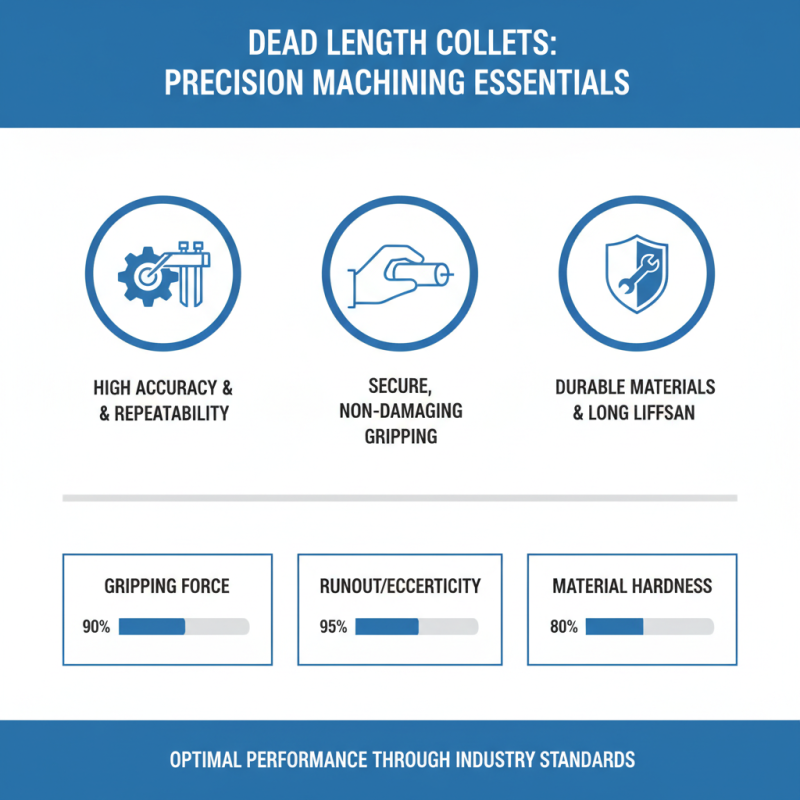
Dead length collets are essential tools in precision machining, particularly for applications demanding high accuracy. These collets offer unique advantages, such as holding workpieces securely without the risk of damaging them. Understanding industry standards for dead length collets is vital for achieving optimal performance. Key metrics include gripping force, repeatability, and material durability.
Tips: Always check the collet specifications before making a purchase. This ensures they meet the requirements of your specific application. Regular maintenance also improves performance and prolongs lifespan.
Performance metrics are critical when evaluating dead length collets. Users often overlook these details, leading to subpar results. For instance, a collet with poor repeatability can hinder production efficiency. Inspect your collets for wear, as even small imperfections can affect their function. Keeping an eye on tolerance levels also helps in maintaining accuracy across multiple jobs.
Tips: Consider implementing a routine inspection schedule. This can help identify issues before they escalate. A proactive approach to maintenance can save time and money in the long run.