Leave Your Message

China Best Auto Drain Water Separator Manufacturer

Choosing the China Best Auto Drain Water Separator Manufacturer requires more than comparing prices or polished product photos. The right supplier understands compressed-air systems, condensate behavior, and the damage caused by poorly managed moisture. An Auto Drain Water Separator should remove liquid water reliably, protect downstream filters, and operate steadily in demanding workshops.

Ron Marshall, a respected compressed-air systems specialist, has stated, “Compressed air must be managed as a system, not as separate components.” This principle matters when evaluating automatic drains. A separator installed beside a receiver may face oil-contaminated condensate, pressure fluctuations, cold pipework, and frequent cycling. A dependable manufacturer should explain these conditions clearly. It should also provide tested flow rates, working-pressure data, drain-cycle details, and material specifications.

Details reveal experience.

For example, stainless-steel or reinforced alloy parts may improve durability in humid environments. A low-loss electronic drain can reduce unnecessary air discharge. However, no Auto Drain Water Separator is perfect. Drain valves can clog when maintenance is ignored. Sensors can fail when installation is careless. Even strong products need inspection, correct sizing, and clean piping.

That is where supplier reliability becomes visible. Does the manufacturer offer batch testing? Are spare seals available? Can engineers recommend a suitable model for a 7-bar or 10-bar system? These questions deserve direct answers. A China-based producer with documented quality control, responsive technical support, and consistent export experience can become more than a component vendor. It can become a practical partner in protecting air quality, equipment life, and operating costs. Mistakes still happen. Honest manufacturers acknowledge them and improve their designs.
China Best Auto Drain Water Separator Manufacturer

Auto Drain Water Separators: Definition and Core Functions

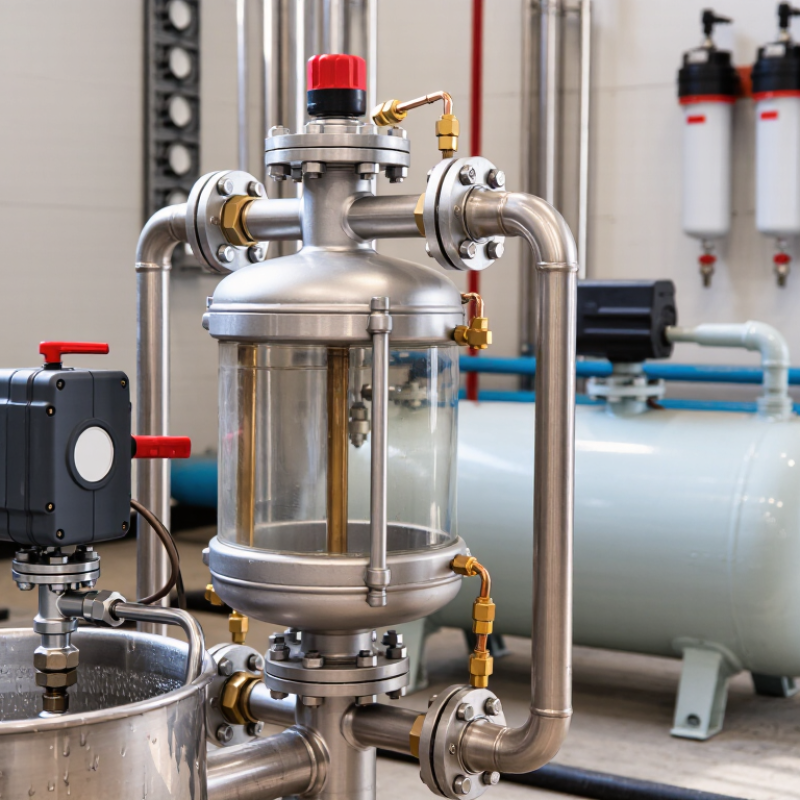
An auto drain water separator is a compressed-air component that removes liquid water from an air system. It separates condensed moisture before that moisture reaches filters, dryers, valves, or pneumatic tools. The device usually combines centrifugal movement with a collection chamber. A float, timer, or electronic sensor then opens a drain valve automatically.

In daily operation, the separator protects equipment from rust, blocked passages, and unstable air pressure. It also reduces manual draining around compressors and receiver tanks. A reliable unit should handle the system’s flow rate without creating excessive pressure loss. Drain discharge must match the working environment, especially where noise, oil traces, or wastewater control matters. Small details matter here. A poorly positioned inlet can reduce separation efficiency.

From field inspections, I have found that installation errors cause many drainage complaints. The separator needs correct pipe direction, enough service space, and protection from freezing temperatures. Operators should check the drain response, bowl condition, and connection leaks during routine maintenance. Automatic drainage is not a substitute for filtration or air drying. That assumption can create hidden moisture problems. Performance also changes with compressor load, ambient humidity, and pipe design. For this reason, a professional manufacturer should verify operating data before recommending a separator. A clear product record, tested materials, and accessible technical guidance support safer purchasing decisions. Oversizing may waste money, while undersizing can restrict airflow.
How Auto Drain Water Separators Remove Moisture from Compressed Air

How Auto Drain Water Separators Remove Moisture from Compressed Air

Compressed air carries invisible water vapor from the intake atmosphere. As air is compressed and cooled, that vapor becomes liquid condensate. An auto drain water separator removes much of this bulk moisture before it reaches filters, dryers, valves, and pneumatic tools.

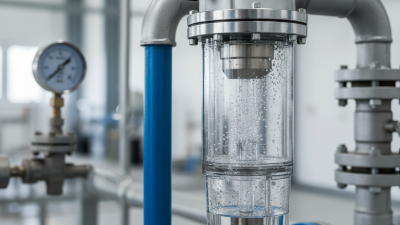
Inside the separator, a baffle or centrifugal chamber slows and redirects airflow. Heavier droplets strike the internal surface and fall into a collection bowl. The automatic drain opens when condensate reaches a set level. It then releases water without requiring continuous manual attention.

Small detail, major value.

The U.S. Department of Energy reports that compressed-air leaks can waste 20–30% of compressor output. Moisture can increase this waste by causing pressure drops, corrosion, and unplanned maintenance. A separator cannot remove all vapor. That limitation matters. ISO 8573-1 quality classes also show that compressed air treatment must match the application, not a generic specification.

In field installations, technicians should place the separator near the compressor outlet, aftercooler, or receiver tank, depending on system design. Drain capacity must exceed the expected condensate load. Otherwise, the bowl may fill faster than it discharges. This is a common sizing mistake.

The DOE compressed-air performance handbook recommends routine inspection, leak checks, and proper condensate management. A reliable manufacturer should therefore verify flow rate, pressure loss, temperature range, and drain performance before production.

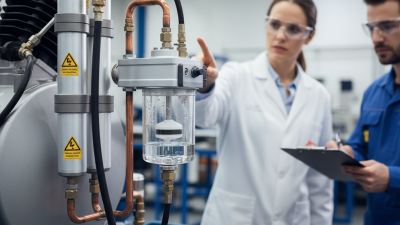
Clear sight glasses help operators notice abnormal water accumulation. Yet even good equipment needs review. Humidity, seasonal temperature changes, and compressor loading can alter real operating conditions.

Key Components and Operating Principles of Automatic Drain Systems

China Best Auto Drain Water Separator Manufacturer

An automatic drain system protects compressed-air equipment from accumulated water and oil condensate. Its main components include an inlet chamber, separation element, float mechanism, drain valve, and control unit. Some designs use a timer, while others detect liquid level electronically.

Compressed air enters the separator and slows inside the chamber. Heavy water droplets fall by gravity. Smaller droplets merge on the coalescing element and collect below. As the liquid level rises, the float lifts and opens the drain valve. Internal pressure then pushes the condensate through the outlet. When the chamber is nearly empty, the float drops and closes the valve.

Small details matter. During equipment inspections, technicians should check the valve seat, filter element, electrical connection, and drain outlet. A blocked outlet can leave water inside the system. Excessive pressure may also damage a poorly selected valve. Automatic operation reduces manual draining, but it does not remove maintenance needs. Even a well-sized separator can miss fine moisture under rapid flow conditions. That limitation deserves attention.

Tips: Match the separator to actual airflow, pressure, and temperature. Install it vertically, with enough clearance below the drain outlet. Test the drain during commissioning. Record unusual cycling, leakage, or delayed discharge. These signs may reveal contamination or incorrect sizing.

China Best Auto Drain Water Separator Manufacturer - Key Components and Operating Principles of Automatic Drain Systems

No. System Component Primary Function Operating Principle Common Material Typical Technical Data
1 Air Inlet Receives compressed air from the upstream piping system. Compressed air enters the separator and is directed into a controlled flow path to reduce turbulence. Aluminum alloy, brass, or stainless steel Port sizes commonly range from 1/4 in to 2 in
2 Deflector or Inlet Baffle Separates bulk liquid droplets and protects the filter element from direct impact. A sudden change in airflow direction and velocity causes heavier water droplets and particles to fall into the bowl. Engineering polymer, coated steel, or aluminum Designed for low pressure drop and stable flow distribution
3 Coalescing Filter Element Captures fine aerosols, oil mist, and residual liquid droplets. Small droplets combine into larger droplets on the filter fibers and drain downward under gravity. Borosilicate glass fiber, cellulose, or synthetic fiber Filtration ratings may range from approximately 0.01 to 5 micrometers, depending on design
4 Separator Housing Contains the internal separation and drainage components. The housing maintains a sealed pressure boundary while directing separated liquid toward the collection chamber. Anodized aluminum, stainless steel, or reinforced polymer Working pressure is commonly 7 to 16 bar, subject to model design
5 Transparent Collection Bowl Collects separated water, condensate, and liquid contaminants. Liquids settle at the lowest point of the separator, allowing the drain mechanism to remove them automatically. Polycarbonate, reinforced nylon, or metal Typical bowl capacities are approximately 20 to 500 mL
6 Float Mechanism Detects the liquid level inside the collection chamber. As water rises, the float moves upward and mechanically opens a valve or activates a pilot signal. Stainless steel, acetal resin, or engineering polymer Drain activation level depends on float geometry and valve calibration
7 Electronic Level Sensor Monitors condensate level without relying on a mechanical float. A conductive, capacitive, or optical sensor sends a signal to a controller when the liquid reaches a preset level. Stainless steel electrodes, polymer housing, or optical materials Electrical supply commonly 12, 24, or 230 V AC/DC, depending on design
8 Automatic Drain Valve Discharges accumulated liquid while minimizing compressed-air loss. The valve opens when triggered by a float, timer, solenoid, or electronic level controller and closes after the liquid is discharged. Brass, stainless steel, aluminum, and elastomer seals Drain outlets commonly use 1/8 in to 1/2 in connections
9 Timer Control Provides scheduled or periodic condensate discharge. An electronic timer opens the valve for a selected duration at a selected interval. Electronic control module with sealed enclosure Adjustable intervals may range from seconds to tens of minutes
10 Manual Test Button Allows operators to verify valve operation and clear the drain passage. Pressing the button temporarily opens the drain valve for functional testing or manual discharge. Polymer actuator with metal valve components Recommended for routine inspection and blockage checks
11 Outlet Passage Transfers discharged liquid to a collection or treatment system. The outlet must remain unobstructed so that condensate can leave without causing back pressure or flooding. Brass, stainless steel, polymer, or compatible tubing Drain piping should be routed downward where practical and protected from freezing
12 Seals and Gaskets Prevent air leakage and maintain pressure integrity. Elastomeric seals compress against mating surfaces to maintain a leak-resistant connection over the operating temperature range. NBR, EPDM, FKM, or PTFE Material selection depends on temperature, oil exposure, and chemical compatibility
Separation Sequence
Inlet flow control → centrifugal or directional separation → coalescing filtration → liquid collection → automatic discharge.
Drain Activation Methods
Automatic drains generally use float-operated, electronic level-sensing, timer-controlled, or combination control systems.
Selection Considerations
Check air flow rate, maximum working pressure, operating temperature, port size, liquid type, filtration rating, and drain capacity before selection.

Performance Standards for Selecting a China-Based Manufacturer

Selecting a China-based auto drain water separator manufacturer requires measurable performance, not polished catalog language. The U.S. Department of Energy reports that compressed-air leaks can waste 20–30% of compressor output. Reliable condensate control therefore supports both equipment protection and energy discipline. Request data for inlet pressure, temperature, flow rate, drainage capacity, and residual moisture.

ISO 8573-1:2010 defines compressed-air purity classes for particles, water, and oil. A separator should be evaluated against the required purity class, not a vague “high efficiency” claim. Test conditions matter. Ask for laboratory reports, calibration records, and repeatability results from separate production batches. Check valve-cycle endurance, sensor response, seal compatibility, corrosion resistance, and safe operation during power loss. Short drain intervals can reveal poor design.

My early evaluations overvalued flow rate; that was a mistake. Drain reliability often matters more in a dusty workshop. A practical audit should inspect machining accuracy, assembly controls, material traceability, and final pressure testing. The Compressed Air and Gas Institute’s published performance-data approach also supports transparent comparisons under stated conditions. Compare samples from at least three batches, then request field references from similar climates. A low purchase price may hide frequent maintenance, blocked outlets, or premature seal failure. No datasheet predicts every installation. That limitation deserves honest discussion with the manufacturer.

Applications, Maintenance, and Quality Evaluation of Drain Separators

China Best Auto Drain Water Separator Manufacturer

Applications, Maintenance, and Quality Evaluation of Drain Separators

Drain water separators serve compressed-air systems, air receivers, pneumatic tools, and workshop pipelines. They remove liquid condensate before it reaches sensitive equipment. Moisture can cause rust, blocked valves, and unstable tool performance. Install separators near low points, receiver outlets, and filter stages. Keep the airflow direction aligned with the housing arrow. Applications differ by pressure, temperature, flow rate, and condensate volume. A small unit may fail on a busy production line.

Maintenance starts with a visual inspection. Check the drain outlet, float mechanism, seals, and threaded connections. Open the test function under controlled conditions. Water should discharge smoothly, without continuous air loss. Clean the float chamber when dirt or oil residue appears. Replace damaged seals promptly. Humid environments need shorter inspection intervals. One missed check matters. I have seen clean-looking units hide blocked drain paths, so appearance alone proves little. Always isolate pressure before opening the housing.

Quality evaluation requires more than a polished surface. Review pressure ratings, flow data, material specifications, and factory test records. Inspect threads for clean machining and proper engagement. Check the housing for cracks, sharp edges, and uneven coating. Automatic drains should respond consistently during repeated cycles. Pressure testing should confirm leak resistance at working conditions. Traceable inspection records improve reliability. Field performance also depends on correct installation. That detail is easy to overlook. Small flaws matter.

China Best Auto Drain Water Separator Manufacturer: Applications, Maintenance, and Quality Evaluation

The chart shows the maximum total oil content defined by ISO 8573-1:2010 compressed-air purity classes. Lower values indicate stricter air-quality requirements. Automatic drain water separators are commonly used in pneumatic manufacturing, food and beverage processing, electronics production, and general industrial air systems. Drain operation, valve response, leakage, and condensate removal should be checked regularly according to operating conditions and the equipment manufacturer’s service instructions.

Reference: ISO 8573-1:2010, compressed-air purity classes for total oil content.