How to Choose the Right Driven Angle Head for Your Needs?
Choosing the right Driven Angle Head for your machining needs can seem daunting. It involves understanding various factors such as performance, compatibility, and application. Each project has unique demands. Selecting the wrong angle head may lead to inefficiencies and increased costs.
Horsepower, torque, and speed are key metrics. These aspects determine how well the Driven Angle Head performs. Research is essential; consider the type of materials you often work with. Will it handle tough materials like titanium or softer ones like aluminum? These specifics matter greatly.
Finding the right balance between cost and functionality is crucial. Sometimes, more expensive options may provide features you'll never use. Reflect on past experiences. Have you ever overspent on tools? Prioritize features that align with your practical needs. This thoughtful approach will guide you toward making an informed choice.
Understanding Driven Angle Heads: Definition and Functionality
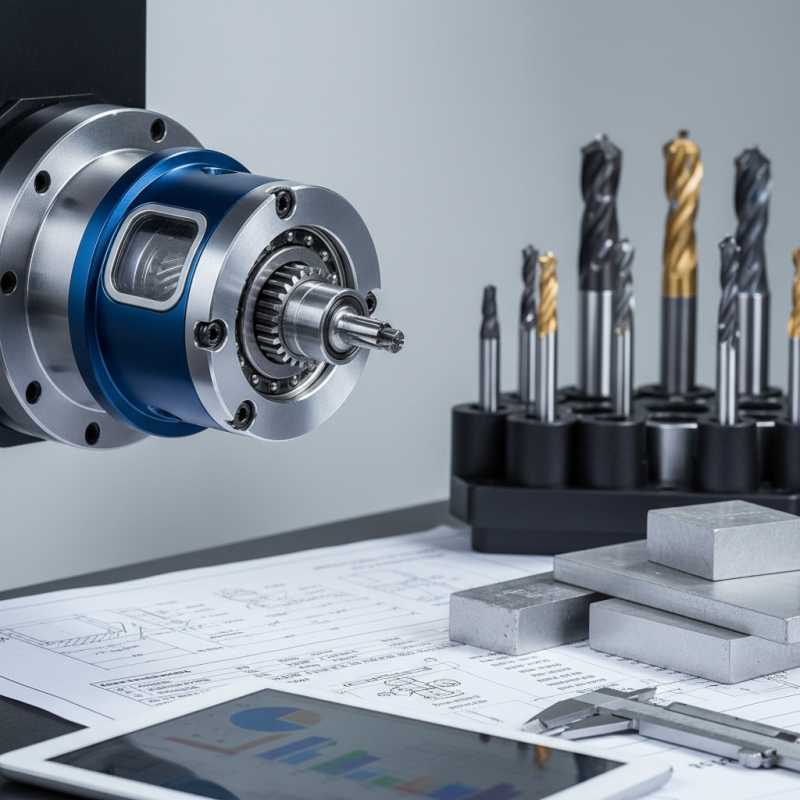
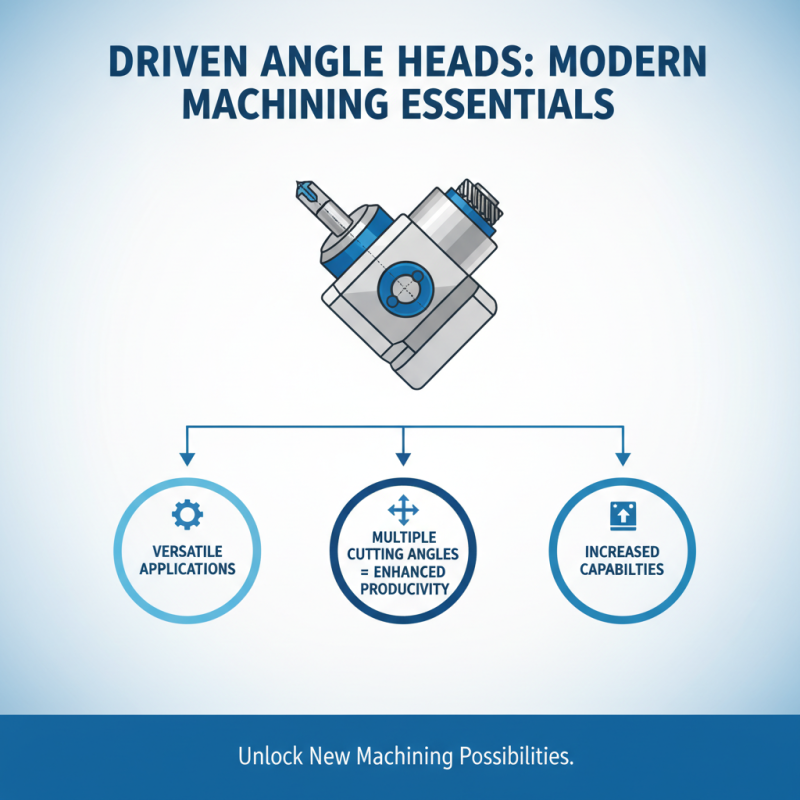
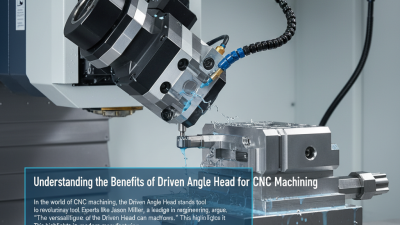
Driven angle heads are essential tools in modern machining. They offer versatile options for various applications. These attachments provide multiple cutting angles, enhancing productivity. Each angle head can increase the machine's capabilities significantly.
Understanding the functionality of driven angle heads is crucial. They allow for more complex machining processes. Some designs permit high-speed operations. However, not all angle heads are suitable for every job. Misjudging the required specifications can lead to inefficiencies. It's essential to consider compatibility with your existing machinery.
When choosing an angle head, consider the material you will be working with. Different materials require specific tools for optimal results. A poor match can lead to wear and tear. Evaluate the precision needed for your tasks. Sometimes, precision takes precedence over speed. Striking the right balance may require experimentation and reflection.
Key Factors to Consider When Choosing a Driven Angle Head
When selecting a driven angle head, several key factors should influence your decision. Consider the maximum speed and torque specifications provided by manufacturers. A report from the International Journal of Machine Tools indicates that units with higher torque often deliver better performance in challenging materials. However, higher torque can lead to increased wear over time.
Another factor is the compatibility with existing equipment. Not every angle head fits all machine types. Measurement precision is crucial. You must check if the angle head's dimensions align with your setup. Misalignment can lead to inefficiencies.
Tips: Always assess the cooling requirements of your driven angle head. Inadequate cooling can reduce lifespan. Regular inspection can identify any early signs of wear or misalignment. This proactive approach is essential for maintaining efficiency.
Finally, consider the anticipated production volume. For low-demand scenarios, investing in high-end models may be excessive. Balancing cost with expected performance can save resources for other areas. Understanding these factors will guide you towards the right angle head, even when imperfections exist in modeling choices.
Types of Driven Angle Heads and Their Applications
Driven angle heads are versatile tools in machining. They allow for angled cuts and complex part geometries. Different types of driven angle heads cater to unique applications. Understanding these types can significantly enhance your workflow.
First, there are standard angle heads. They are useful for general milling tasks. These heads typically offer 90-degree angles and provide good flexibility. Operators can create various features efficiently. However, they may not suit every specialized task. Identifying the right project helps maximize their use.
Another type is the multi-axis angle head. This tool is designed for more intricate work. It can tilt and rotate, allowing for complex cuts. Users often find this head increases productivity. Yet, it requires careful setup and operation. Misalignment can lead to wasted materials. Understanding the balance between complexity and functionality is crucial when choosing your angle head.
Compatibility: Matching Angle Heads With Your Equipment
When selecting an angle head, compatibility is crucial. Your choice must align with your machine's specifications. A mismatched angle head can lead to inefficiencies and potential damage. According to recent industry reports, about 30% of equipment failures result from incompatibility issues. It’s vital to know your machine's spindle taper and rotation limitations.
Tips: Check machine manuals for angles and specifications. This basic step can prevent costly mistakes. Research your equipment’s capabilities before investing.
Furthermore, each type of angle head serves specific functions. For instance, some are designed for heavy-duty tasks, while others are better for precision work. A wrong choice might not only decrease productivity but also affect the quality of your output. Studies show that nearly 20% of workshop errors link back to improper tool usage.
Tips: Consult with knowledgeable colleagues or suppliers. They can offer insights on which angle head suits your needs best, ensuring you make an informed decision.
Maintenance Tips for Optimal Performance of Driven Angle Heads
Maintaining driven angle heads is crucial for maximizing their performance. Regular inspections should be a part of your routine. Check the bearings frequently. Look for any signs of wear. A small issue can escalate quickly if neglected. Make sure to keep the gears clean. Dirt and dust can hinder the operation.
Lubrication is essential. Use the appropriate grease as specified in the manual. Over-lubrication can cause issues too. It’s about finding the right balance. Monitor the temperature during operation. Excessive heat can indicate a problem. If you notice any abnormal noises, investigate immediately. These could be early warnings of a larger issue.
Proper storage is often overlooked. Store your angle heads in a dry place. Moisture can lead to corrosion. Ensure they are covered to prevent dust accumulation. If you notice any rust, address it promptly. Reflect on your maintenance practices regularly. Are your methods effective? Adjust as necessary to improve longevity and efficiency.