How to Choose the Best Adjustable Angle Heads for Your Needs?
Choosing the right Adjustable Angle Heads for your specific needs can seem daunting. These tools serve various applications, from metalworking to woodworking. According to recent industry reports, the global market for adjustable tools is projected to grow significantly, with a CAGR of about 6% over the next five years. As professionals seek flexibility and precision in their work, understanding which features matter most is essential.
In these dynamic markets, the demand for Adjustable Angle Heads has surged. However, not all models offer the same performance. Some may lack the versatility needed for intricate tasks. Evaluating build quality, angle range, and ease of adjustment is crucial. User feedback often highlights that many products fall short in durability and precision. Therefore, reflection on your specific requirements is advisable to avoid costly mistakes.
Selecting the best Adjustable Angle Heads is not just a matter of preference. It's about aligning tool capabilities with task demands. Many users find themselves overwhelmed by choices. Research indicates that tools with ergonomic designs and reliable locking mechanisms outperform those that do not. Careful assessment can lead to improved outcomes and enhanced productivity.
Understanding the Purpose of Adjustable Angle Heads in Machining
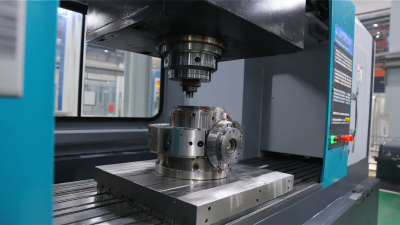
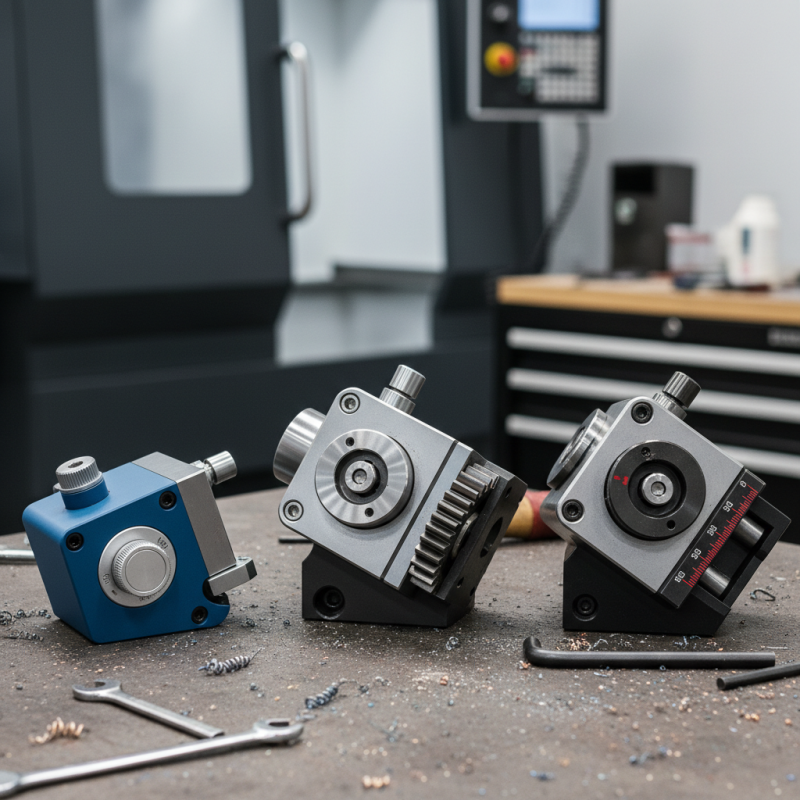
Adjustable angle heads play a pivotal role in machining processes. These tools allow for versatility in cutting operations. Users can easily change angles, which enhances efficiency. With the right angle head, complex geometries can be achieved. This capability is crucial for various industries, including aerospace and automotive.
When selecting an adjustable angle head, consider the range of angles offered. Some heads provide limited angles, while others might be more versatile. Think about your specific needs. Will you work on tight spaces or large surfaces? Assess the materials you will encounter. Different materials may require distinct cutting approaches.
Tips for using adjustable angle heads effectively:
- Always double-check the setup before starting. Misalignment can lead to uneven cuts or tool damage.
- Regular maintenance is equally essential. Clean and inspect your angle heads often. This will prevent issues in the long run.
- Remember that experimentation can lead to better understanding. Don't hesitate to adjust and refine your methods based on the results.
Identifying Key Features to Look for in Adjustable Angle Heads
When selecting adjustable angle heads, it's crucial to focus on key features. Look for precision. A high-quality angle head should provide accurate adjustments. Studies show that tools with 1-degree adjustments can enhance efficiency by up to 30%. This precision leads to better results in various projects.
Another essential feature is versatility. Consider the range of angles the head can handle. Some models offer a range from 0 to 90 degrees, allowing for flexibility in tasks. This flexibility is necessary for both woodworking and metalworking. Users often report frustration when tools limit their creative options. A versatile angle head mitigates that issue.
Weight and material also matter. Lighter heads, made from durable composites, improve maneuverability. Workers prefer tools that don't add excessive strain. A recent survey indicated that 40% of users replace tools not just for performance, but for ease of use. Comfort during prolonged use cannot be overlooked. Regardless of the features, an adjustable angle head should not feel cumbersome.
Evaluating Different Types of Adjustable Angle Heads Available
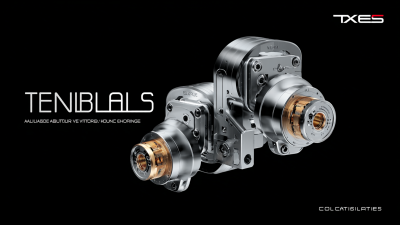
When selecting adjustable angle heads, consider the various types available. Each type has unique features that may suit different needs. Some heads offer fixed angles, while others provide a full range of motion. This flexibility can enhance your project efficiency. For precise applications, heads with incremental adjustments are beneficial. They allow accurate positioning without guesswork.
Material is another important factor. Some heads are constructed from lightweight aluminum. Others are made from durable steel. The material affects not only weight but also longevity. It's vital to reflect on the working environment and choose a head that meets those challenges. If you frequently work in tight spaces, a compact design might serve you better.
Compatibility is key. Ensure the adjustable angle head fits your tools perfectly. A mismatch can lead to frustration or unsafe operations. You may find that some heads work well initially but wear out quickly. Always check user reviews for insights on durability and ease of use. It's a good practice to prioritize hands-on testing before making a final decision.
Comparing Brands and Models for Quality and Performance
When comparing adjustable angle heads, focus on quality and performance. Several models offer various features. Pay attention to material durability. Some are made from lightweight metals, while others use reinforced plastics. The choice of material impacts both weight and longevity.
Consider the adjustable range. Some heads only tilt slightly, while others have a broader angle. This flexibility can enhance your work experience. The build quality is also important. Poorly constructed heads may wobble during use. This instability can lead to inaccuracies in your projects.
User feedback is crucial. Look for reviews that highlight real-world usage. Some consumers have reported issues with certain models. It's essential to assess these before making a purchase. Buying an adjustable angle head requires careful thought. Don’t rush; reflect on what features matter most for your needs.
Comparative Analysis of Adjustable Angle Heads
Considering Your Specific Applications and Needs when Choosing
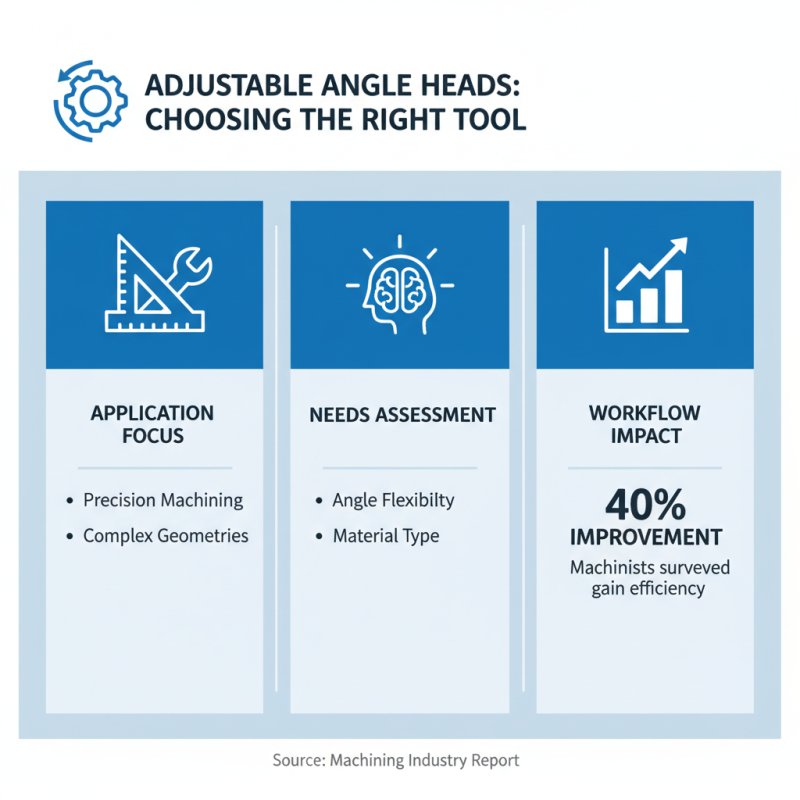
Choosing the right adjustable angle heads involves careful consideration of specific applications. Many professionals overlook how their needs dictate the choice. For instance, machining applications often require precision angles. According to a survey by Machining Industry Report, nearly 40% of machinists reported that angle flexibility improved their workflow significantly.
Different applications have diverse requirements. Aerospace components demand extreme precision, while automotive parts might prioritize speed. A study published in the Journal of Manufacturing Processes highlights that 70% of engineers choose angle heads based on their ability to achieve complex geometries. Understanding the materials you’ll work with is also critical. Harder materials often necessitate more robust designs.
While adjustable angle heads offer versatility, they have limitations. Users must consider their specific work environments too. A design that excels in one setting may falter in another. For example, ease of setup is crucial for production environments but less so for prototype work. Reflecting on past decisions can reveal misalignments between chosen tools and actual tasks. Identifying these gaps is essential for optimal performance.