How to Choose the Best Air Water Separator Filter for Your Needs?
Choosing the right Air Water Separator Filter can be a challenge. The market offers many options. However, understanding your specific needs is crucial. Industry expert John Smidt once said, "Selecting the right filter can prevent costly equipment damage."
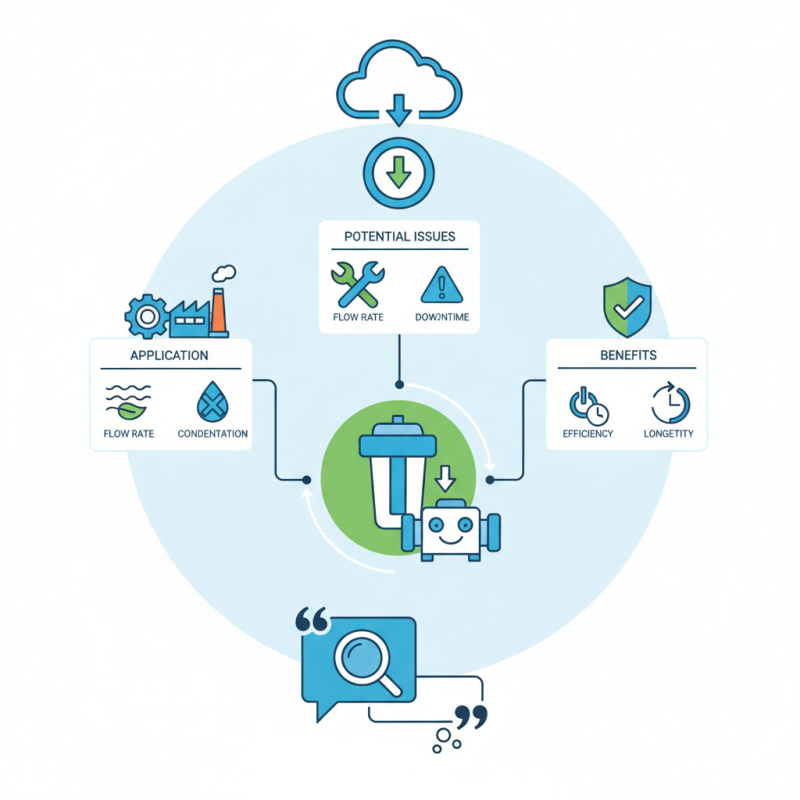
Air water separator filters play a vital role in various industries. They remove moisture from compressed air systems effectively. If you don’t choose wisely, condensation issues may arise. This can lead to unexpected downtime. Filters may seem similar, but their performance varies widely.
Consider the application carefully. Factors like flow rate and environment impact your choice. Make sure the filter you select matches your system’s requirements. The right air water separator filter is essential for efficiency and longevity. Don’t rush the decision; it's key to your operations.
Understanding Air Water Separator Filters: Key Concepts and Terminology
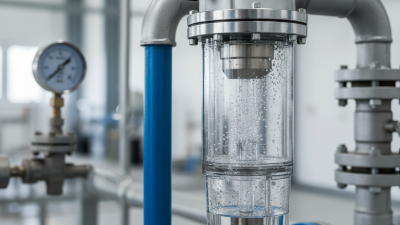
Understanding air water separator filters is crucial for effective moisture management. These filters play a vital role in various applications, ensuring clean and dry air supply. They operate by trapping and removing water droplets from compressed air systems. Knowing the components involved is important. Generally, these filters consist of a housing, a collection chamber, and a filtration element.
Key terminology helps in understanding their functionality. The "debouncing rate" describes how quickly the separator can remove water. "Pressure drop" refers to the loss of pressure as air flows through the filter. It's essential to balance filtration efficiency with pressure drop. A higher efficiency filter might restrict airflow, causing performance issues. Users may need to ponder how much water removal is necessary for their process.
Choosing the right filter is not just about specs. Consider the environment where it will be used. High humidity areas have different needs than arid conditions. Regular maintenance is often overlooked but is vital. Filters need to be changed periodically to maintain efficiency. This could lead to mistakes if ignored. Reflecting on these factors can help ensure optimal performance and longevity of your air water separator filter.
Types of Air Water Separator Filters and Their Applications in Industry
When selecting an air water separator filter, it's crucial to understand the types available. Common types include coalescing filters and hydrophobic filters. Coalescing filters work by combining small water droplets into larger ones. They effectively remove moisture from compressed air systems. Hydrophobic filters, on the other hand, repel water. They are ideal for applications where humidity is a concern.
Different industries require specific filters based on their unique needs. For example, manufacturing plants often use coalescing filters. These filters reduce the risk of moisture damaging equipment. In contrast, food and beverage industries favor hydrophobic filters. They help maintain product quality by keeping moisture at bay. Still, choosing the right filter can be challenging. It’s essential to consider factors like flow rates and environmental conditions.
Practicality also plays a role in selecting a filter. Some filters may not perform well in extreme temperatures. Others may need frequent replacements, increasing costs. Evaluating your application and usage scenarios can define these challenges. It’s important to reflect on industry needs rather than stick to common choices. Understanding the nuances helps in finding the best solution.
How to Choose the Best Air Water Separator Filter for Your Needs?
| Type of Filter |
Application |
Efficiency |
Maintenance Frequency |
| Coalescing Filters |
Compressed air systems |
99.9% |
Every 3-6 months |
| Cyclone Separators |
Industrial compressors |
85-90% |
Every 6-12 months |
| Membrane Filters |
Food and beverage processing |
99.5% |
Yearly |
| Activated Carbon Filters |
Water treatment |
95% |
Every 3-4 months |
| Dew Point Monitors |
HVAC systems |
N/A |
Monthly |
Factors to Consider When Selecting an Air Water Separator Filter
Selecting the right air water separator filter requires careful consideration of several critical factors. First, consider your specific needs. What is the volume of air or water you'll typically be processing? Understanding the flow rate is crucial. Filters vary significantly. Some are designed for low flow, while others handle higher capacities. Choosing one that matches your requirements is key.
Another important aspect is the filter's efficiency. How well does it remove contaminants? Look for specifications on particle size removal. A filter that captures a wide range of particles will often serve you better. However, an overly complex filter may become clogged quickly. This could lead to higher maintenance costs. Think about how often you are willing to replace filters.
Material is also vital. Some filters are made from durable materials while others may deteriorate over time. Consider where and how you will use the filter. If it’s in a harsh environment, a robust design makes sense. However, more robust filters could be pricier. You might find yourself weighing durability against cost. Know your budget and be prepared to make some compromises.
Water Filtration Efficiency of Different Air Water Separator Filters
Performance Specifications: Flow Rate, Pressure Drop, and Filtration Efficacy
When selecting an air water separator filter, performance specifications play a critical role. Focus on the flow rate. It indicates how much air can pass through the filter. A higher flow rate means more efficiency. However, too high a flow rate may compromise the filter’s effectiveness. Strike a balance based on your specific environment and requirements.
Next, consider the pressure drop. This refers to the loss of pressure as air passes through the filter. A high-pressure drop may mean increased energy costs. You want a filter that maintains a suitable pressure drop while providing adequate filtration. Too little pressure drop might indicate poor filtration efficacy. Finding that sweet spot is essential.
Finally, look at filtration efficacy. This measures how well the filter removes contaminants. A filter with high efficacy ensures cleaner air. However, achieving high efficacy can sometimes lead to trade-offs in flow rate and pressure drop. Strive for a filter that adequately addresses air-quality needs while being mindful of overall system performance.