How to Choose the Best Dead Length Collets for Your Needs?
Choosing the best Dead Length Collets can significantly impact your machining projects. These specialized tools are crucial for precision work and can influence efficiency. Understanding the specific needs of your application is essential.
When exploring Dead Length Collets, consider the materials, sizes, and compatibility with your equipment. High-quality collets ensure better performance and minimize errors. However, the variety can be overwhelming. It's important to reflect on whether the chosen collets effectively meet your precision requirements.
Every project has unique demands. By assessing the specifications and intended use, you can make informed choices. It may take time to find the perfect fit, but the benefits in accuracy and productivity are worth the effort. Selecting the right Dead Length Collets requires patience and careful thought.
Understanding Dead Length Collets and Their Functionality
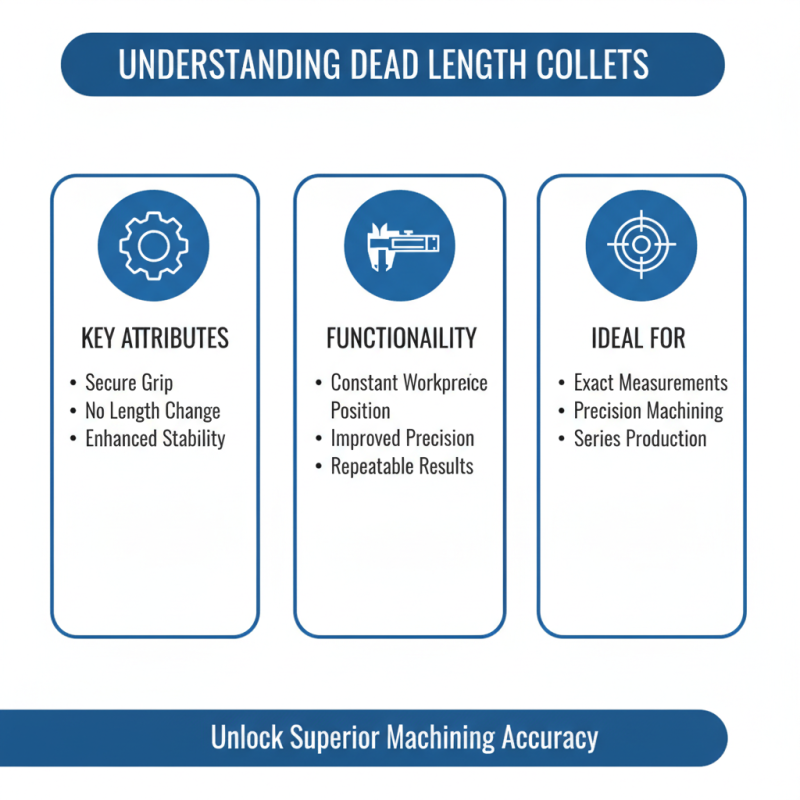
Dead length collets are essential tools in various machining applications. They provide a secure grip on the workpiece without changing length during the operation. This stability enhances precision, making them suitable for tasks that require exact measurements and repeatability. Understanding their functionality can significantly improve your machining results.
When selecting dead length collets, consider the specific requirements of your project. The material of the collet affects durability and grip strength. Common materials include steel and aluminum, each suited for different operations. Additionally, ensure that the collet size matches your workpiece diameter. An ill-fitting collet can lead to inaccuracies, which may require time-consuming adjustments later.
Tips: Regular inspection of your dead length collets is crucial. Look for wear or damage that could affect performance. Proper maintenance can prolong the life of your tools and enhance efficiency. It's also essential to understand the limitations of your collets. Sometimes, a different tool may provide better results for specific applications.
Identifying Your Specific Needs and Applications for Collets
Identifying specific needs and applications for collets is crucial in selecting the best dead length collets. Different applications require distinct features to ensure optimal performance. For example, a study indicates that precision machining applications often demand collets capable of holding tighter tolerances. According to the National Institute of Standards and Technology (NIST), collets generally need to maintain an accuracy level within 0.0005 inches for high-precision engineering tasks.
It’s important to assess the material you will be working with. Hard materials may require collets made from tougher alloys. On the other hand, softer materials might benefit from collets designed for easier loading and unloading. Industry data shows that 70% of machining failures relate to tool holding inadequacies. Choosing the right collet can significantly mitigate these risks.
Consider your machines' specifications and limitations as well. Each machine tool behaves differently with various collet types. In recent surveys, 65% of operators reported that mismatch between the machine and collet type led to inefficiencies. These insights highlight the significance of understanding collet compatibility with your specific machinery and cutting techniques.
Evaluating Material Options for Durability and Performance
When selecting dead length collets, the material used plays a crucial role in durability and performance. Common materials include steel, aluminum, and specialized alloys.
Steel collets offer excellent strength and wear resistance, making them suitable for high-demand applications. However, they can be heavier, affecting ease of use.
Aluminum is lighter and may offer better versatility, but it might not withstand extreme conditions as well.
Another consideration is heat resistance. In high-speed operations, collets can experience significant heat buildup. Materials with superior thermal stability help maintain performance. Collets made from specialized alloys can provide a balance between weight and strength.
Selecting the right material involves evaluating specific use cases.
It's important to recognize that no single material is perfect. Each comes with trade-offs. For instance, while lighter materials ease handling, they may sacrifice durability.
Carefully assessing your operational needs and conditions will lead to better choices. Consider the specific tasks and environments in which they will be used.
Understanding these nuances can enhance both the longevity of the collets and the overall effectiveness of your machining processes.
Comparing Different Sizes and Designs for Optimal Fit
When choosing dead length collets, size and design significantly impact performance. Different sizes cater to various tooling requirements. Each collet type holds the material uniquely. A tighter grip may enhance accuracy, but it can also lead to excess wear and tear.
Material design also plays a key role. Steel collets are durable but may not provide the flexibility required for intricate tasks. Conversely, aluminum versions are lighter but can flex under pressure. Finding the ideal balance between strength and adaptability is crucial. Consider your project’s specifics when deciding.
Reflection on usage patterns can improve your decision-making process. Take note of any issues with previous collets—did they slip? Did they wear out too quickly? Identifying these concerns will guide you toward a better fit. The right dead length collet is not just about measurements; it's about matching it to your unique machining needs.
Choosing the Best Dead Length Collets - Size Comparison
Selecting a Reputable Manufacturer for Quality Assurance
When selecting a dead length collet, the choice of manufacturer plays a critical role. A reputable manufacturer ensures quality and reliability in their products. Industry reports indicate that up to 40% of collet failures stem from poor manufacturing practices. These failures can lead to costly downtime and diminished productivity. To avoid such issues, seek manufacturers with a proven track record in the industry.
Certifications and quality assurance processes are vital indicators of a manufacturer's reputation. For instance, companies adhering to ISO 9001 standards likely maintain rigorous quality controls. Investing in collets from manufacturers with these credentials can mitigate risks of subpar performance. Additionally, it's essential to review user feedback and case studies that showcase a manufacturer's commitment to excellence.
While many manufacturers claim high standards, not all achieve them consistently. It’s important to scrutinize their production processes and materials. Some manufacturers may cut corners to reduce costs. Therefore, research and due diligence can reveal hidden weaknesses in the supply chain. This proactive approach helps ensure you select collets that meet your specific performance needs without compromising on quality.