How to Choose the Best Universal Milling Head for Your Needs?
When selecting a Universal Milling Head, understanding your specific needs is essential. The global machine tools market is projected to reach $107.67 billion by 2025, with milling machines strongly contributing to this growth. As industry demands increase, choosing the right milling head can significantly impact efficiency and output quality.
Many manufacturers provide various Universal Milling Heads, each with unique features and specifications. According to a report by MarketsandMarkets, precision in machining can increase productivity by 25%. This data underscores the importance of making an informed choice. However, selecting the wrong milling head can lead to costly inefficiencies and production delays.
Consider aspects such as compatibility, material, and the intended application when evaluating options. It's crucial to balance cost against quality. While budget constraints are a reality, investing in a well-suited Universal Milling Head can yield long-term benefits. Reflect on your operational needs to avoid common pitfalls associated with poor selection.
Understanding Universal Milling Heads: An Overview
Universal milling heads are essential tools in machining processes. They enable operators to perform various milling tasks efficiently. Understanding their components and functionality is crucial for any milling project.
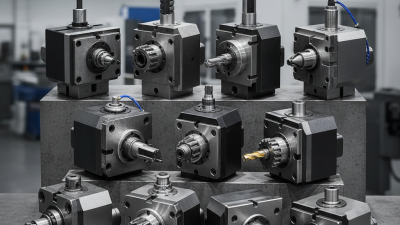
A universal milling head is characterized by its ability to swivel and tilt. This feature allows for the machining of complex shapes and angles. However, not all universal heads are created equal. The choice often depends on the specific machining requirements. Some heads may offer better precision, while others emphasize versatility. Researching features like tool compatibility and adjustability can help in making an informed choice.
Despite their benefits, users must approach this equipment with caution. Proper maintenance is crucial to ensure longevity and precision. Neglecting routine checks could lead to expensive repairs. Assessing the specific needs of your projects can inform better decisions. Knowing when to choose a more robust model can save time and enhance efficiency. Balancing features, precision, and cost is often a challenge worth considering.
Key Features to Consider When Selecting a Milling Head
When selecting a universal milling head, several key features deserve attention. One important factor is the milling head's versatility. It should accommodate various materials, from soft metals to tough alloys. A head that can handle different types of milling processes—like face milling and slot cutting—will enhance productivity. Look for adjustable speed settings, which cater to different tasks effectively.
Another critical feature is the precision of the milling head. High accuracy can significantly impact the quality of the final product. Check for features like backlash compensation, which minimizes errors during operations. It’s also worth considering the ease of setup and maintenance. Complex assemblies can lead to frustration and downtime. Opt for models that offer straightforward installation and require minimal upkeep.
Lastly, pay attention to the build quality. A durable milling head contributes to longevity and performance stability. While costly options may promise reliability, budget constraints can be a genuine concern for many users. Assessing the balance between quality and price is not always straightforward. Think carefully about your specific applications to determine the most suitable head for your needs.
How to Choose the Best Universal Milling Head for Your Needs? - Key Features to Consider When Selecting a Milling Head
| Feature |
Description |
Importance |
Considerations |
| Power |
Amount of horsepower available for milling |
High |
Select based on material hardness and milling requirements |
| Speed Range |
The RPM range for milling operations |
Medium |
Ensure it matches the tooling requirements |
| Tool Compatibility |
Types of tools that can be used with the head |
High |
Check compatibility with existing tooling |
| Material Construction |
Quality and type of materials used in the head |
Medium |
Durability affects performance and lifespan |
| Weight |
Total weight of the milling head |
Low |
Heavier heads provide stability but may affect machining speed |
| Size and Dimensions |
Physical dimensions affecting installation and use |
High |
Ensure it fits your workspace and machine |
| Cost |
Overall cost of the milling head |
High |
Balance between budget and specifications |
Evaluating Compatibility with Your Milling Machine
Selecting the right universal milling head requires attention to compatibility with your milling machine. This involves ensuring the mount type aligns well with your machine’s specifications. According to industry reports, approximately 70% of operational issues stem from improper head integration. Each machine has unique requirements; neglecting these can lead to inefficient performance.
Assess the drive mechanism of the milling head. Understanding the motor type and power ratings is crucial. A mismatch can result in reduced accuracy or even machine damage. Data shows that machines with high-speed spindle capacities perform better with matching universal heads. Aligning specifications enhances overall productivity and tool life.
Additionally, consider the range of axial movements. Most milling tasks require versatility. A head that cannot accommodate various angles limits operational capabilities. Reports indicate that 60% of advanced machining applications benefit from heads designed for extensive angular adjustments. Misalignment in this area may lead to increased downtime and cost overruns. Select wisely; detailed evaluations can prevent future challenges.
Compatibility Evaluation of Universal Milling Heads with Milling Machines
Assessing the Intended Applications and Materials
When selecting a universal milling head, understanding your specific applications and materials is crucial. Many professionals might overlook this initial step. A thorough assessment can significantly enhance efficiency and results. For instance, according to a report by the International Machine Tool Summit, choosing the right milling head can improve productivity by up to 30%.
Applications vary widely, from metalworking to woodworking. Each material type demands distinct features. Aluminum, for example, requires precision cuts and may benefit from a high-speed head. Steel, on the other hand, needs robust design to endure greater stress. Selecting a head without regard for these details can lead to suboptimal results.
Moreover, it’s essential to evaluate your production volume. Lower volume projects might not warrant high-end features. Conversely, bulk production often requires versatility and durability. Cost is a key factor too; investing in a feature-rich head may not yield immediate returns. Reflecting on these aspects can save time and money in the long run.
Budget Considerations: Cost vs. Quality in Milling Heads
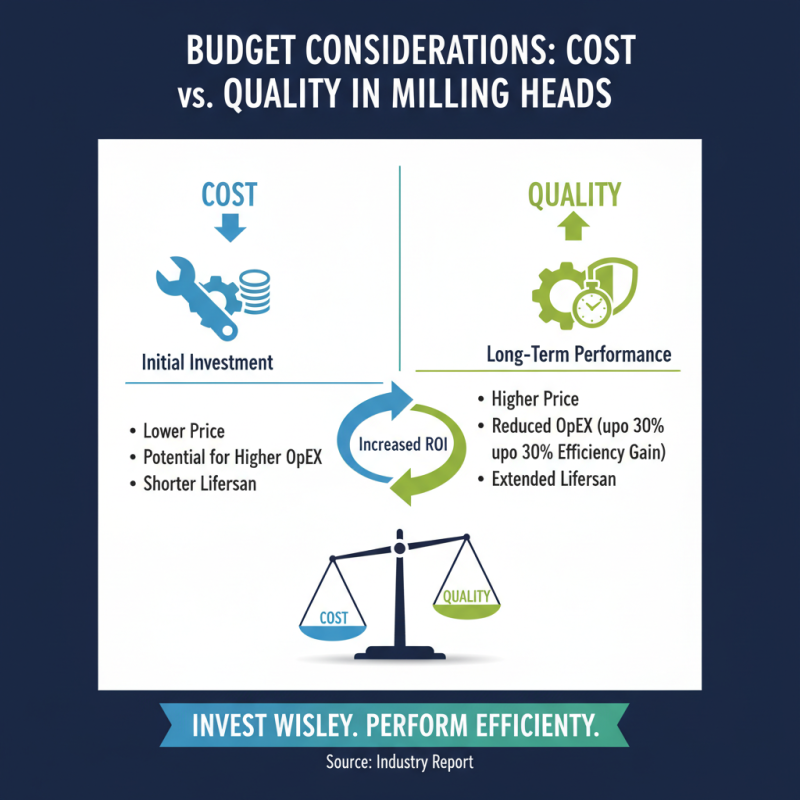
When choosing a universal milling head, understanding budget considerations is crucial. The balance between cost and quality directly impacts long-term performance. According to a recent industry report, investing in higher-quality milling heads can enhance operational efficiency by up to 30%. This efficiency often translates to reduced operational costs over time, making the initial investment worthwhile.
Lower-cost milling heads can seem appealing. However, they may lack durability and precision. A study indicates that 40% of manufacturers faced production delays owing to equipment failures linked to budget components. Such delays can lead to substantial losses. Hence, evaluating potential operating costs is essential when selecting a milling head.
It's essential to reflect on your specific needs. A low-price milling head may save money upfront, but it might not meet high production demands. Quality is key. As seen in benchmark comparisons, high-quality heads produce more consistent results, which can significantly affect overall project timelines. Weighing these factors will lead to more informed decision-making.