Why Choose Industrial Air Purifiers for Your Business Needs?
In today's fast-paced industrial world, maintaining air quality is a critical challenge for many businesses. Industrial air purifiers have emerged as essential tools for creating healthier work environments. These devices are designed to filter out harmful particles, allergens, and pollutants, ensuring that employees breathe cleaner air.
Implementing industrial air purifiers can significantly reduce respiratory issues caused by poor air quality. Many workers report feeling more energized and focused in cleaner spaces. However, selecting the right model can be overwhelming. It's important to consider specific needs based on your workspace size and industry type.
Choosing the right industrial air purifiers not only benefits worker health but also enhances operational efficiency. Poor air quality can lead to increased sick days and lowered productivity. Consequently, investing in effective purification systems is not just about compliance; it's also about valuing employee well-being. As businesses strive to improve their environments, understanding the role of these purifiers becomes essential.
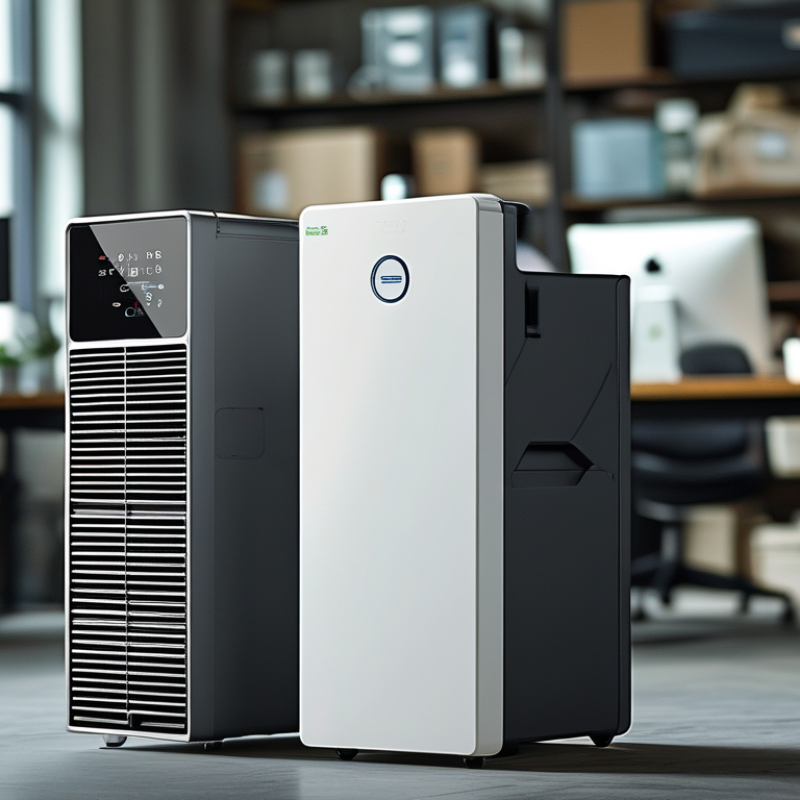
Understanding Industrial Air Purifiers and Their Functionality
Industrial air purifiers play a crucial role in maintaining a healthy work environment. These devices are designed to filter out harmful particles, including dust, allergens, and volatile organic compounds. By improving air quality, businesses can protect the well-being of their employees and enhance productivity. The functionality of these purifiers varies, but many come equipped with multiple stages of filtration, including HEPA filters and activated carbon layers.
Understanding how these machines work is essential for making informed decisions. They capture airborne pollutants and prevent them from circulating in the workspace. This process is vital, especially in industries with high levels of dust and chemicals. However, selecting the right model can be challenging. Not all air purifiers are created equal, and some may not suit your specific needs.
Regular maintenance of these systems is often overlooked. Filters should be replaced according to the manufacturer’s guidelines to ensure optimal performance. Failing to do so can lead to decreased efficiency over time. Additionally, businesses should assess their air quality regularly to determine if their purifying systems remain effective. Having the right air purifier is only part of the solution; ongoing evaluation is key to sustaining a healthy indoor environment.
Key Benefits of Using Industrial Air Purifiers in Business Environments
In industrial settings, air quality often suffers due to dust, chemicals, and other pollutants. This can affect employee health and productivity. Industrial air purifiers address these issues by filtering out harmful particulates and improving overall air quality. They can enhance worker comfort and reduce absenteeism due to respiratory problems.
The reliability of industrial air purifiers plays a crucial role. They operate continuously, ensuring long-term benefits. These systems are designed for heavy-duty use, capable of filtering large volumes of air. Easy maintenance is another advantage. Regular checks and filter replacements keep them functioning at optimal levels.
However, selecting the right air purifier isn't straightforward. Factors like room size and pollutant types come into play. Businesses might struggle to determine the best fit. It’s essential to assess specific needs thoroughly. Even with a reliable system, periodic evaluation is vital to ensure effectiveness. This commitment to maintaining air quality reflects a business's dedication to employee well-being.
Factors to Consider When Choosing an Industrial Air Purifier
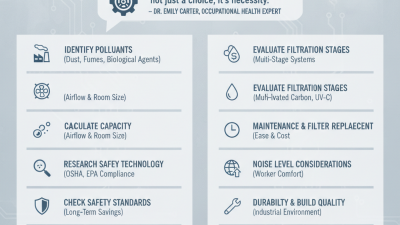
When selecting an industrial air purifier, several factors demand attention. Efficiency is a top priority. Look for models that can filter out a significant percentage of particles, including allergens and pollutants. A purifier'sCADR, or Clean Air Delivery Rate, is crucial. This rate indicates how quickly and effectively it can clean the air in your space.
Another important aspect is the filter type. HEPA filters are highly recommended for their ability to trap small particles. Consider the frequency of filter replacement as well. Some purifiers require more upkeep than others. This can affect both time and budget. It’s vital to assess your operational needs carefully to avoid unexpected issues.
Tips to consider include evaluating noise levels. Some units can be quite loud, disrupting your work environment. Find a balance between efficiency and sound. Also, think about the space requirements. Purifiers come in various sizes, and ensuring a proper fit can optimize air quality. Always check user reviews to see real-world performance. Many people overlook this, but feedback from other users can help guide your choice.
Why Choose Industrial Air Purifiers for Your Business Needs? - Factors to Consider When Choosing an Industrial Air Purifier
| Factor |
Description |
Importance Level |
Typical Usage Areas |
| Filter Type |
The kind of filters used (HEPA, electrostatic, etc.) affects the types of contaminants removed. |
High |
Manufacturing, Hospitals |
| Airflow Rate |
Measured in CFM, it determines how effectively the purifier can clean the air of a given space. |
Medium |
Warehouses, Workshops |
| Noise Level |
The sound produced by the purifier, important for environments requiring low noise. |
Medium |
Offices, Classrooms |
| Portability |
Some purifiers are designed to be easily moved between locations. |
Low |
Temporary Workstations |
| Maintenance Requirements |
Frequency and ease of filter changes, and overall upkeep needed. |
High |
All Industries |
Comparing Different Types of Industrial Air Purifiers Available
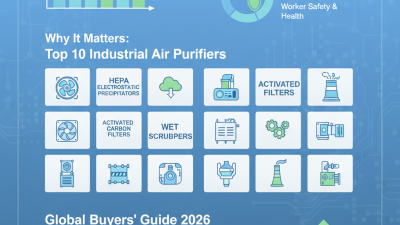
When evaluating industrial air purifiers, it’s essential to compare the various types available. Each type serves a specific purpose and is designed to address unique air quality concerns. For example, HEPA filters can capture up to 99.97% of airborne particles as small as 0.3 microns, making them effective for dust and allergens. Conversely, activated carbon filters excel in removing odors and volatile organic compounds (VOCs), which are common in many industrial settings.
Specialized units like electrostatic precipitators are ideal for environments dealing with heavy contaminants. They can efficiently handle large amounts of particulate matter without the need for frequent filter changes. According to a recent report from the U.S. Environmental Protection Agency, indoor air quality issues can significantly impact productivity and employee health, emphasizing the need for effective air purification solutions.
In selecting an air purifier, consider the specific contaminants in your space. Evaluate the size of your area and the purifier’s capacity. Regular maintenance is crucial; many systems require filter replacements every few months. Assess the total cost of ownership, including energy consumption. The right choice involves balancing upfront costs with long-term benefits for both health and business efficiency.
Maintenance and Cost Considerations for Industrial Air Purifiers
Industrial air purifiers play a crucial role in maintaining air quality, especially in demanding environments. However, understanding maintenance and cost considerations is vital for effective operation. Regular maintenance is essential. Filters need timely replacements based on usage. Neglecting this can lead to reduced efficiency and increased energy costs. Routine inspections are important. They can identify issues before they escalate into costly repairs.
The initial investment in industrial air purifiers can be significant. However, ongoing costs should also be considered. Power consumption can vary. Energy-efficient models might have higher upfront prices but offer savings in the long run. Additionally, maintenance costs can creep up if the equipment is not well cared for. Businesses should budget for both routine checks and unexpected repairs.
Choosing an air purifier without considering its long-term operational costs could lead to regret. Some units may appear cheaper initially but require frequent maintenance. Always assess the total cost of ownership. It's prudent to weigh the benefits against potential drawbacks. This reflection will help ensure the chosen system aligns with business goals.