How to Choose the Right Angle Milling Head for Your Needs?
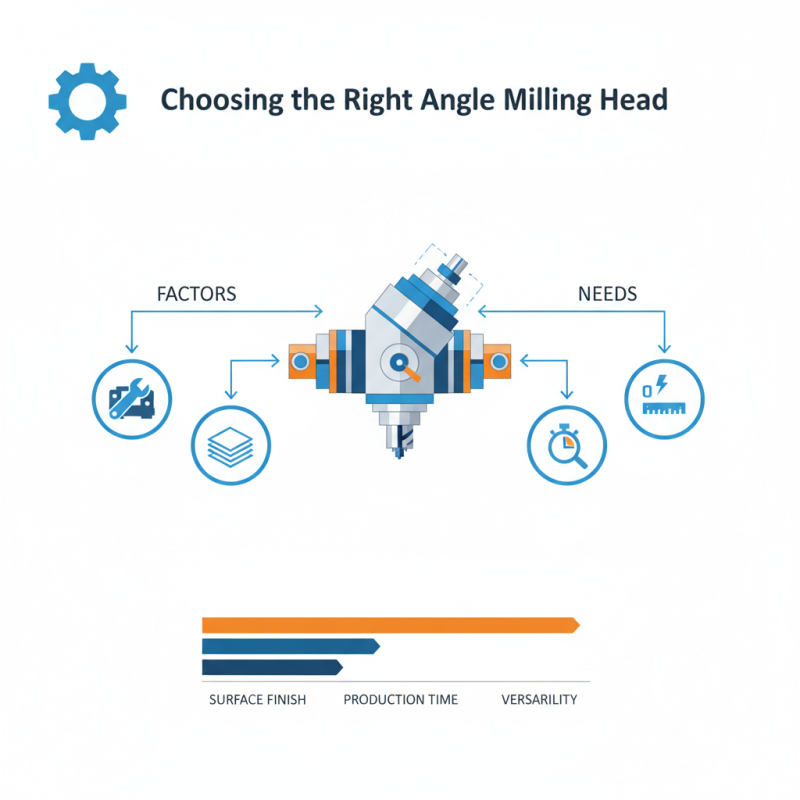
Choosing the right angle milling head is crucial for effective machining. This decision impacts precision and overall project efficiency. The right angle milling head enhances versatility, enabling users to tackle various tasks.
Factors such as compatibility with machines and types of materials get significant attention. A precise selection can lead to better surface finishes and faster production times. Understanding the specifications is essential. However, manufacturers often use technical jargon that can confuse buyers.
Reflect on your specific needs before making a choice. What is your primary application? Are you focusing on accuracy or speed? Different tasks require different features. Assessing these considerations can ensure better results. Selecting the right angle milling head is a blend of knowledge and experience. It’s an art that demands attention and reflection.
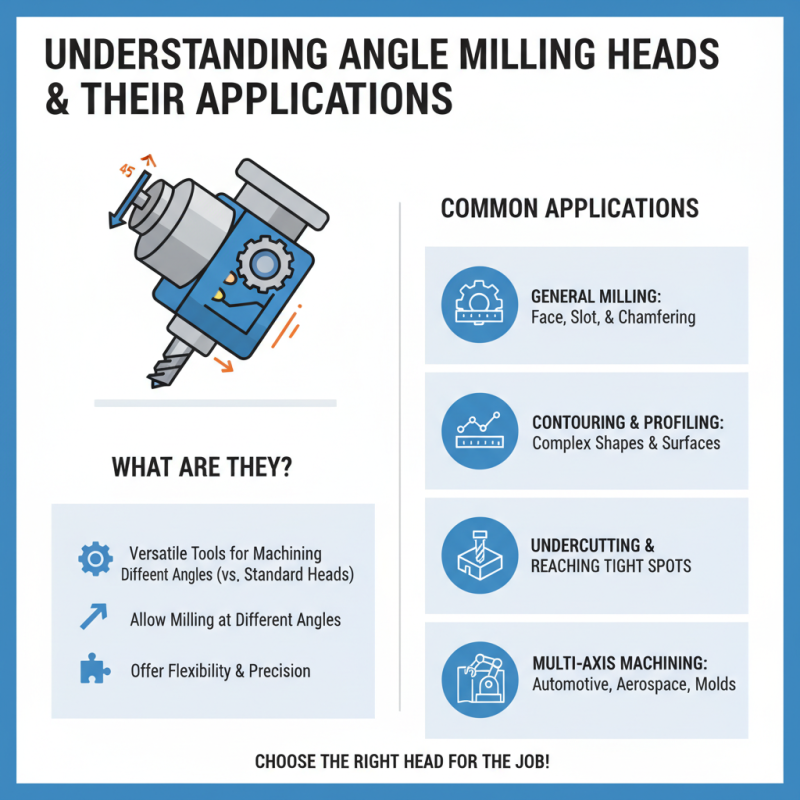
Understanding Angle Milling Heads and Their Applications
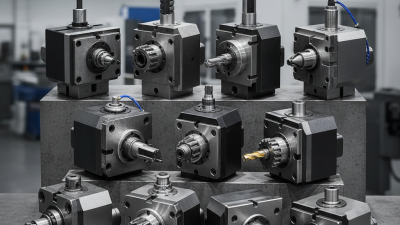
Angle milling heads are versatile tools used in various machining applications. They allow for milling at different angles, offering flexibility that standard milling heads cannot provide. This adaptability is crucial in industries requiring intricate designs and precise cuts. Understanding the specific applications of angle milling heads will help you choose the right one. Different shapes and sizes cater to various tasks, from general milling to specific contouring.
Selecting an angle milling head requires careful consideration of your project needs. For instance, a smaller head may serve well for detailed work, while larger heads are suitable for heavy-duty tasks. The material of the head also impacts its performance; robust materials withstand wear and enhance longevity. Some users find the variety overwhelming. Determining the right specifications can involve trial and error. Investing time in research can help you make informed decisions.
Milling head versatility can lead to mistakes if misapplied. It’s essential to match the head with the machine's capabilities and your skill level. Improper usage can result in poor finishes or damaged tools. Seeking advice from experienced machinists can provide insights that textbooks may not cover. Balancing practical experience with theoretical knowledge ensures effective use of angle milling heads.
Key Factors to Consider When Selecting an Angle Milling Head
When selecting an angle milling head, several key factors can influence your decision. The spindle speed and power rating are crucial. Different projects demand varying speeds. A higher spindle speed translates to quicker material removal. According to a recent industry report, the optimal spindle speed for steel milling is often around 250 to 400 RPM. Power ratings usually range from 2HP to 10HP. Understanding these metrics can help enhance productivity.
Tip: Always assess the materials you will be milling. Hard materials require more power and speed. Compatibility with your milling machine is vital. Check the size and mounting specifications. An improper fit can lead to operational inefficiencies and increased wear.
Another factor is rigidity. A rigid milling head minimizes vibrations, ensuring precision in each cut. A study indicated that using a high-rigidity head can improve dimensional accuracy by up to 30%. Variances in head geometry impact flexibility and stability. Consider how often you change angles during operations. For versatile tasks, a head with multiple angle capabilities may be beneficial. Keep in mind that this choice might compromise some stability.
Tip: Experiment with different heads on smaller projects. This allows you to gauge performance without significant investment.
Types of Angle Milling Heads and Their Unique Features
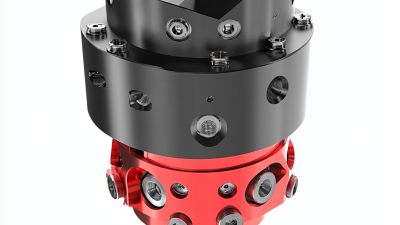
When selecting an angle milling head, understanding the types and their characteristics is essential. Angle milling heads are designed to allow a machine tool, like a milling machine, to work at various angles. The most common types include fixed angle heads, adjustable angle heads, and universal angle heads.
Fixed angle heads offer precision at a specific angle but lack flexibility. Adjustable heads allow operators to change angles within a certain range. Universal angle heads can be set to any angle, making them versatile for complex projects.
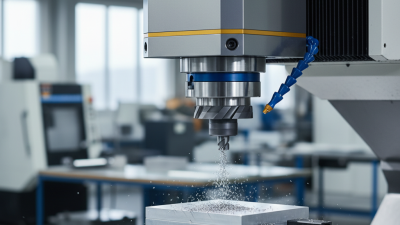
In terms of unique features, some angle milling heads come with coolant systems for better chip management. Others may include built-in spindle speed control to enhance performance. Choosing the right type depends on your specific machining needs. Understanding the materials you'll work with can also influence your choice. For example, harder materials may require a more robust head.
Tips: Assess the workload you expect to handle. Look for features that enhance your workflow. Always consider the durability of the head based on your project needs. Don’t overlook the importance of compatibility with your existing tooling. Your choice can affect both the quality and efficiency of your work. Conduct thorough research, and don’t hesitate to seek advice from experienced machinists.
Assessing Compatibility with Your Milling Machine
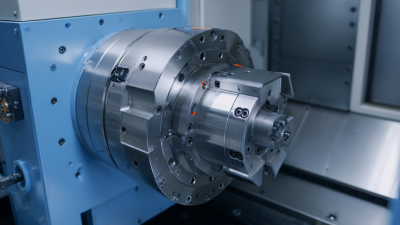
When selecting an angle milling head, compatibility with your milling machine is crucial. Different machines have distinct interfaces. Check the specifications of your machine to ensure the angle head is compatible. This will save time and potential frustrations during setup.
Tip: Always refer to your milling machine manual. It provides specific details regarding spindle sizes and configurations.
Consider the weight of the angle head as well. Heavier heads may require more support. Make sure your milling machine can handle added weight without compromising stability.
Tip: A test fit is often helpful. Line up the angle head with your machine. Ensure everything aligns correctly to avoid future issues.
In addition, assess the range of angles the head can achieve. This flexibility is vital for complex milling tasks. Ensure the options align with your projects. Misalignment can lead to wasted resources and time.
Maintenance Tips for Optimal Performance of Angle Milling Heads
When it comes to angle milling heads, maintenance is crucial for performance. Regular checks can prevent significant downtime. According to a recent industry report, 30% of machining failures stem from improper maintenance practices. Ensuring your angle milling head is clean and properly lubricated can extend its life.
Inspect the bearings and seals routinely. A simple visual check can reveal issues before they escalate. Replace worn parts promptly. Data shows that timely maintenance can reduce overall repair costs by up to 20%. Operators often overlook this aspect. However, a proactive approach yields better results.
Incorporating regular calibration procedures ensures accuracy in milling operations. This helps maintain the quality of outputs. Studies indicate that machines with higher calibration frequency produce 15% less waste. Neglecting these practices can lead to diminished performance. Regular maintenance routines create reliability, enhancing productivity in the long run.
How to Choose the Right Angle Milling Head for Your Needs? - Maintenance Tips for Optimal Performance of Angle Milling Heads
| Feature |
Description |
Maintenance Tips |
| Type of Angle Milling Head |
Universal or fixed angle for diverse machining tasks |
Regularly check alignment to ensure accuracy. |
| Material Compatibility |
Aluminum, steel, plastic, etc. |
Use appropriate cutting tools for each material. |
| Speed Range |
RPM adjustment for different tasks |
Regularly lubricate to maintain speed consistency. |
| Size of Milling Head |
Compatibility with your machine size |
Ensure proper fitting and secure mounting. |
| Cooling System |
Integrated cooling mechanism for heat dissipation |
Check coolant levels and inspect for leaks. |
| Weight |
Impact on machine stability and operation |
Verify balance during operation to reduce wear. |