Why Choose Clamping Collets for Precision Machining Needs?
In the world of precision machining, choosing the right tools is crucial. Among various options, Clamping Collets stand out for their unique advantages. These devices ensure a firm grip on tools, offering stability during operations. This is vital when precision matters, as even minor shifts can lead to errors.
Clamping Collets are not only reliable but also versatile. They accommodate different sizes and shapes, making them essential for diverse machining tasks. However, users must understand their limitations. The wrong choice of collet can hinder performance. Each collet type has specific applications, and knowledge is key.
Experience plays a significant role in maximizing the benefits of Clamping Collets. Machinists must evaluate their needs carefully before selection. This requires a blend of skill and insight. Overall, while Clamping Collets offer superior performance, thoughtful application is necessary for optimal results in precision machining.
Benefits of Using Clamping Collets in Precision Machining
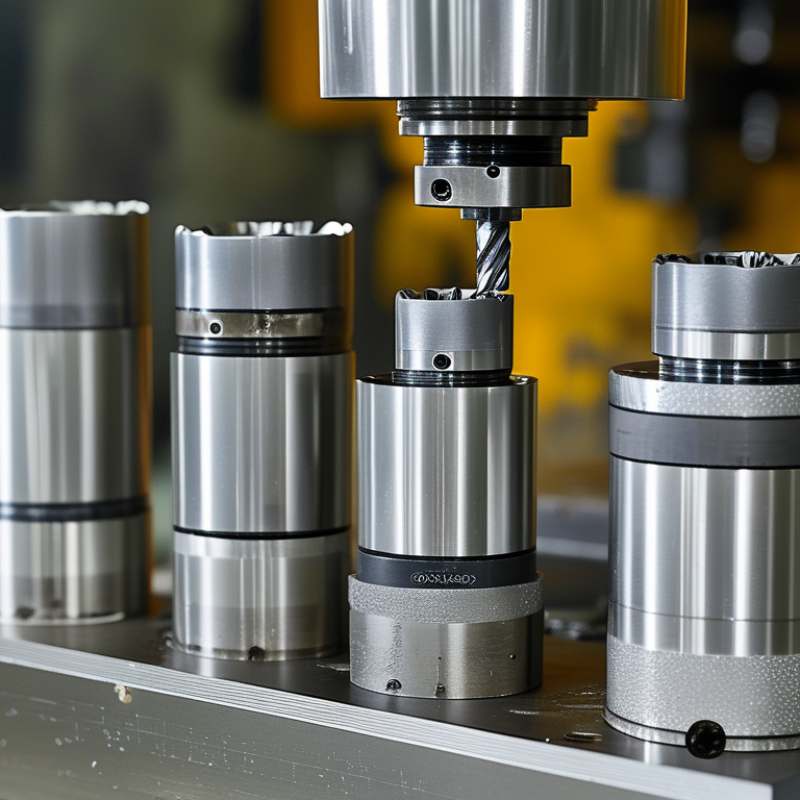
Clamping collets play a crucial role in precision machining. They provide a secure grip on tools and workpieces, enhancing stability during operations. This grip is vital for maintaining accuracy in high-speed machining. A well-designed collet minimizes runout, ensuring that the cutting tool operates smoothly. This contributes directly to better finishes and tighter tolerances.
Additionally, clamping collets are adaptable. They accommodate various tool sizes, allowing for quick changes without wasting valuable time. This versatility can positively impact productivity in a busy workshop. While they excel in many situations, not all collets are created equal. Some may struggle with specific materials or extreme conditions. Understanding these limitations is essential when selecting the right collet for a task.
Using clamping collets can also improve tool life. By reducing vibrations and preventing slippage, they help maintain tool integrity over longer periods. However, improper installation or choosing the wrong type may lead to complications. Regularly assessing your collet performance is important to ensure reliability in your machining processes.
Types of Clamping Collets for Different Machining Applications
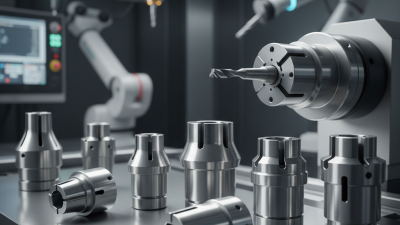
Clamping collets are essential tools in precision machining. They provide reliable gripping for various applications. Different types of clamping collets cater to specific machining needs. For instance, ER collets are versatile and ideal for holding end mills and drills. They excel in flexibility and range, accommodating various shank sizes. According to a recent industry report, ER collets can maintain accuracy within 0.005 mm, making them popular in high-precision environments.
Another noteworthy type is the polygon collet. They offer better grip and stability for larger tools. Their unique shape enables higher torque transfer, which is crucial for demanding machining tasks. Data indicates that users can achieve up to 25% higher gripping force compared to standard collets. This increased performance helps in reducing tool wear and improving overall machining efficiency.
When selecting collets, consider the material of both the collet and the workpiece. Steel collets provide durability, while plastic options are lightweight and reduce vibration. Proper maintenance is key; inspect for wear regularly. This helps maintain performance and keeps operations running smoothly. Using the right collet dramatically impacts your machining quality and productivity.
Comparison of Clamping Collets and Other Tool Holding Methods
Choosing the right tool holding method is crucial in precision machining. Clamping collets have emerged as a favored choice among machinists. They offer a combination of grip and precision that many other methods lack. However, this does not mean they are flawless. For instance, while collets provide excellent radial runout, they can sometimes require frequent adjustments and careful handling.
In contrast, other tool holding methods like brackets or chucks can be more user-friendly. Chucks, for example, allow for quicker changes. Yet, they may not hold the tool as firmly as collets. This can result in a loss of precision over time. Additionally, vibrational effects can alter performance. Machinists must weigh these factors carefully.
Ultimately, clamping collets stand out for their accuracy and holding power. They are essential in high-tolerance environments. Each method has its strengths and weaknesses. Understanding these nuances helps machinists make informed decisions for their projects. Experimentation with different methods leads to improved techniques and outcomes in machining tasks.
Factors to Consider When Selecting Clamping Collets
When selecting clamping collets for precision machining, a few key factors deserve careful consideration. First, the material of the collet plays a crucial role in its performance. Common materials include steel and aluminum, each with distinct properties. Steel offers greater durability and precision, while aluminum is lighter and offers easier handling. It's essential to select a material that matches your machining requirements.
Next, the design of the collet affects how it grips the workpiece. A well-designed collet can provide superior accuracy and repeatability. Look for features such as a tapered design or multiple segments for better clamping. Additionally, the range of diameters the collet can handle is important. Some applications require versatility, which might lead to the use of interchangeable collets.
Lastly, consider the ease of use. Some collets may require specific tools for installation. If the collet is cumbersome to use, it may lead to errors during machining. Reflecting on these factors can help highlight weaknesses in your current setup and improve overall efficiency. Adapting to the right collet choice can significantly enhance precision machining outcomes.
Maintenance Tips for Maximizing Clamping Collet Performance
Clamping collets play a crucial role in precision machining. To ensure their performance remains optimal, regular maintenance is necessary. One key practice is to clean the collets after each use. Dust and debris can affect their gripping ability. Use a soft brush or a lint-free cloth to remove any buildup. This small step can significantly enhance their lifespan.
Another important aspect is the inspection of collets for wear and tear. Look for scratches or cracks on the surface. These inconsistencies might impact their effectiveness in gripping. If you notice any damage, it’s wise to replace them immediately. Keeping a close eye on collet condition can prevent significant machining errors.
Proper storage is often overlooked. Storing collets in a clean, dry place can help avoid unnecessary deterioration. Avoid exposure to harsh chemicals or extreme temperatures. Taking these precautions shows attention to details that can lead to better machining results. Failing to maintain collets can lead to poor precision over time. It's essential to develop a routine that prioritizes their upkeep.
Why Choose Clamping Collets for Precision Machining Needs? - Maintenance Tips for Maximizing Clamping Collet Performance
| Feature |
Description |
Benefits |
Maintenance Tips |
| Precision |
High accuracy in holding tools |
Improved machining quality |
Regularly clean and check for wear |
| Versatility |
Compatible with various tool sizes |
Flexibility for different operations |
Use appropriate collets for specific tasks |
| Durability |
Made from high-strength materials |
Longer tool life and lower replacement costs |
Avoid excessive force during installation |
| Ease of Use |
Simple setup and changeover |
Reduced downtime |
Follow the manufacturer's instructions for use |
| Cost-Effectiveness |
Affordable relative to performance |
Better return on investment |
Inspect and maintain regularly to extend life |