What is a Compressed Air Cleaner and How Does It Improve Air Quality
In today’s industrial landscape, maintaining optimal air quality is crucial for enhancing operational efficiency and ensuring the health and safety of workers. A Compressed Air Cleaner plays a vital role in this context by effectively removing contaminants such as dust, oil, and moisture from compressed air systems. According to a recent report by the Compressed Air and Gas Institute, approximately 70% of industrial air compressors experience performance issues due to inadequate air quality, leading to increased energy consumption and higher operational costs.
The importance of implementing advanced filtration systems, such as Compressed Air Cleaners, cannot be overstated. These devices contribute to reducing maintenance costs and downtime while improving product quality. The Air Quality Improvement Association notes that industries utilizing these systems can experience a reduction in product defects by up to 30%, illustrating the direct link between air cleanliness and operational success. By understanding how a Compressed Air Cleaner functions and its impact on air quality, businesses can take proactive steps towards enhancing the reliability of their operations and safeguarding their workforce.
What is a Compressed Air Cleaner?
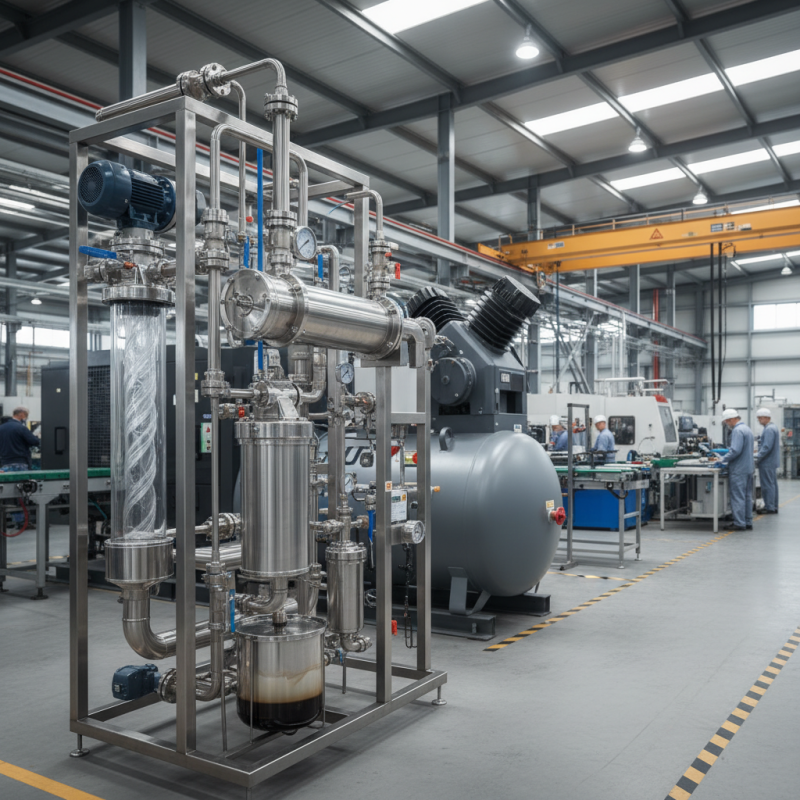
A compressed air cleaner is a specialized device designed to enhance air quality in various environments by utilizing compressed air as a driving force. It operates by drawing in ambient air, filtering out particulates, dust, and other contaminants, and then discharging cleaner air back into the surroundings. This technology is particularly beneficial in industrial settings, laboratories, and other spaces where the purity of the air is critical not only for operational efficiency but also for health and safety reasons.
The functioning of a compressed air cleaner typically involves several filtration stages. Initially, larger particles are removed through pre-filters, followed by more refined filters that capture smaller contaminants such as allergens, bacteria, and other micro-pollutants. The result is a significant reduction in airborne impurities, which contributes to a healthier environment. By improving air quality, compressed air cleaners can also aid in maintaining machinery and equipment, as cleaner air reduces the likelihood of dust-related malfunctions and prolongs the lifespan of sensitive instruments.
How Does a Compressed Air Cleaner Function?
A compressed air cleaner operates by utilizing high-pressure air to remove airborne particles, dust, and other contaminants from indoor environments. The system is designed to filter out pollutants effectively, with studies indicating that proper filtration can reduce particulate matter by up to 95%. The functionality revolves around pressurizing air and directing it through multiple filtration stages, ensuring that even the smallest particles, including allergens and pathogens, are captured before the air is circulated back into the environment.
The process begins with the intake of ambient air, which is compressed and forced through a series of filters, such as pre-filters and HEPA (High-Efficiency Particulate Air) filters. These stages work together to trap larger particles first, followed by more refined filtration to capture microscopic substances. According to the U.S. Environmental Protection Agency (EPA), indoor air can be up to five times more polluted than outdoor air. Compressed air cleaners address this issue by not only reducing the particulate load but also improving overall air quality, making spaces healthier for occupants, particularly in commercial and industrial settings.
Benefits of Using a Compressed Air Cleaner for Air Quality
Compressed air cleaners are specialized systems designed to purify the air by removing pollutants, particulate matter, and other contaminants from the environment. One of the primary benefits of using a compressed air cleaner is its significant impact on indoor air quality (IAQ). According to a report by the International Society of Indoor Air Quality and Climate (ISIAQ), poor IAQ is linked to a range of health issues, including respiratory diseases, allergies, and asthma. By effectively filtering air through high-efficiency particulate air (HEPA) filters and activated carbon systems, compressed air cleaners can reduce the concentration of airborne particles, providing a healthier environment for occupants.
Additionally, the operational efficiency and reliability of compressed air cleaners contribute to their effectiveness. The Global Air Quality Report indicates that better air filtration can lead to a 25-30% reduction in pollutants, which not only enhances health outcomes but also improves overall workplace productivity. Cleaner air can lead to fewer sick days and improved concentration among employees, ultimately resulting in better performance.
With air pollution being a growing concern globally, utilizing compressed air cleaners can be a proactive approach to maintaining a safe and healthy indoor atmosphere, ensuring well-being in both residential and commercial spaces.
Applications of Compressed Air Cleaners in Various Industries
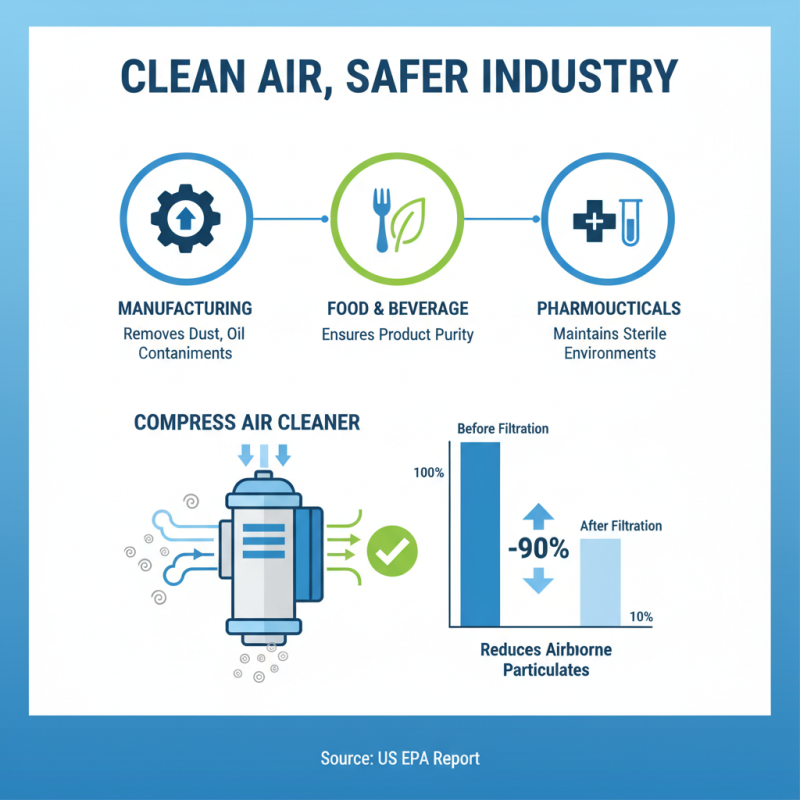
Compressed air cleaners play a crucial role across various industries by enhancing air quality and ensuring a safer working environment. Industries such as manufacturing, food and beverage, and pharmaceuticals benefit significantly. In manufacturing, compressed air cleaners effectively remove pollutants such as dust, oil, and other contaminants that can compromise product quality. According to a report by the U.S. Environmental Protection Agency, effective air filtration systems can reduce airborne particulate matter by up to 90%, which is significant in maintaining compliance with health standards and improving operational efficiency.
In the food and beverage sector, the application of compressed air cleaners is vital due to stringent hygiene standards. Clean air is essential in preventing contamination during production and packaging processes. The Food Safety and Inspection Service notes that implementing effective air management can lead to a 25% decrease in microbial contamination rates, thereby increasing product safety. Similarly, the pharmaceutical industry relies on high-quality air systems to ensure that products are manufactured in sterile conditions. The success of these applications underscores the importance of investing in advanced air purification technologies as part of a broader strategy to enhance air quality and public health.
Tips: When selecting a compressed air cleaner, consider the specific contaminants present in your industry. Regular maintenance and filter replacement are critical to ensure optimal performance, as clogged filters can severely reduce air quality. Additionally, investing in high-efficiency air cleaners not only improves air quality but may also lead to energy savings in the long run.
Maintenance and Care for Compressed Air Cleaners
Proper maintenance and care are essential for ensuring the optimal performance of compressed air cleaners. Regular inspection and cleaning of filters are fundamental steps in maintaining air quality. Filters trap dust, allergens, and other contaminants, and if they become clogged, their efficiency diminishes significantly. It is advisable to check the filters monthly and replace them as needed, based on usage conditions. This routine not only helps to improve air quality but also prolongs the lifespan of the unit itself.
In addition to filter maintenance, monitoring the overall condition of the system is crucial. This includes checking for any leaks or mechanical issues that could affect performance. Keeping the intake area clean and unobstructed allows for more efficient airflow, enhancing the cleaner's effectiveness. Regular servicing can prevent minor issues from escalating into major problems, ensuring that the compressed air cleaner operates at peak efficiency, thus providing cleaner air for your environment.
What is a Compressed Air Cleaner and How Does It Improve Air Quality - Maintenance and Care for Compressed Air Cleaners
| Aspect |
Details |
| Definition |
A compressed air cleaner filters and purifies air from contaminants, ensuring clean air supply for pneumatic applications. |
| Improvement in Air Quality |
Removes dust, rust, moisture, and oil from compressed air, significantly improving air quality for healthier working conditions. |
| Common Contaminants |
Dust, moisture, oil vapors, particulate matter, and rust. |
| Maintenance Frequency |
Filters should be checked and replaced every 3 to 6 months depending on usage and environmental conditions. |
| Signs of Malfunction |
Increased moisture in the air line, unusual air odors, or pressure drops can indicate a need for maintenance. |
| Cleaning Methods |
Regularly inspect and replace filters, clean the exterior and ensure all connections are secure to prevent leaks. |
| Benefits of Usage |
Improved air quality, reduced equipment wear, decreased downtime, and enhanced worker safety. |