Understanding Compressed Air Dew Point Tips for Optimal Performance?
Compressed Air Dew Point is a critical factor in the performance of compressed air systems. It indicates the temperature at which moisture in the air will condense. Understanding this concept helps in maintaining the efficiency of air compressors.
Inadequate management of the dew point can lead to problems, such as moisture buildup. This may cause corrosion and damage to equipment, ultimately reducing operational efficiency. Many facilities overlook the importance of monitoring their Compressed Air Dew Point. This oversight can result in costly repairs and downtime.
Effective strategies for managing the dew point exist. Regular maintenance, appropriate filters, and dryers can help control moisture levels. However, not all systems are equipped to handle these changes. Some operators may find it challenging to balance cost and performance. A deeper understanding of the Compressed Air Dew Point can help address these issues. Reflecting on your current system and its limitations is essential for improvement.
Understanding the Importance of Dew Point in Compressed Air Systems
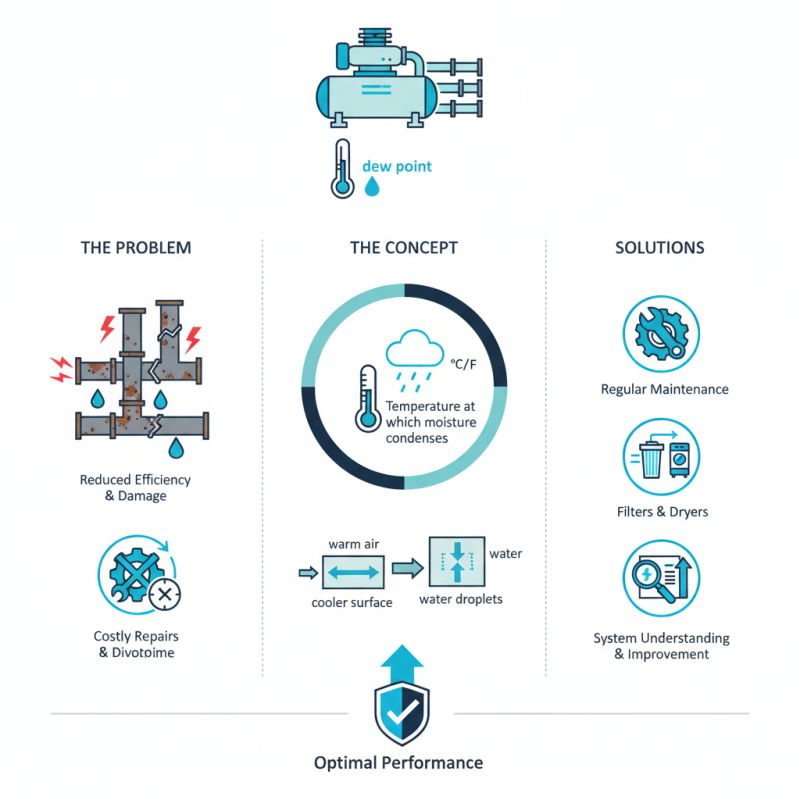
Dew point is crucial in compressed air systems. It measures the temperature at which moisture condenses. This is vital for maintaining air quality. High moisture levels can cause corrosion and equipment damage. Understanding dew point helps ensure optimal system performance.
Tips for monitoring dew point: Regularly check the moisture levels in your system. Use reliable gauges for accurate readings. Keep an eye on the environment where the air is used. Temperature changes can affect dew point readings. Consider adjusting the system to reduce humidity.
Another critical point is filtering. High-quality filters can remove moisture. Yet, filters need regular replacement to stay effective. Ignoring this may lead to increased condensation. They can even malfunction if neglected. Regular maintenance helps avoid costly downtimes. Keeping filters clean is not just a suggestion; it’s essential for performance.
Factors Affecting Compressed Air Dew Point Levels
Compressed air dew point levels play a crucial role in system efficiency. The dew point indicates the temperature at which moisture in the air condenses. Keeping this level in check helps to avoid issues like corrosion, mold, and ice buildup. Industry reports note that a dew point above 35°F can lead to significant problems in compressed air systems, impacting productivity.
Several factors affect dew point levels. Ambient temperature has a major influence. Warmer air holds more moisture. Thus, in hot climates, it’s essential to monitor humidity levels closely. Pressure also plays a role. Higher pressures can raise the dew point, making it necessary to adjust the system accordingly.
**Tip:** Regularly inspect air filters and dryer systems. Blocked filters can raise moisture levels.
Another consideration is the air quality upstream of your system. Pollutants and particulates can introduce moisture. Keeping your intake air clean can significantly reduce dew point issues.
**Tip:** Utilize desiccant or refrigeration dryers. They work to lower the dew point effectively. Testing the system regularly helps identify any underlying issues.
Understanding Compressed Air Dew Point Levels
The following bar chart illustrates the impact of various factors on compressed air dew point levels. The dew point is a critical parameter in maintaining optimal performance of compressed air systems.
Tips for Measuring and Monitoring Dew Point
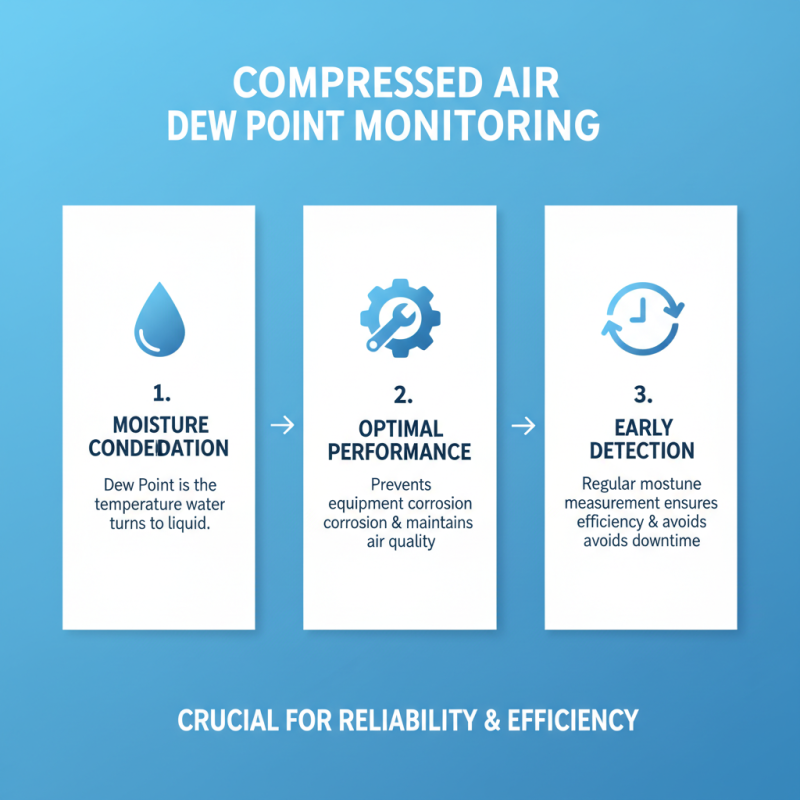
Monitoring the dew point of compressed air is crucial for optimal performance. The dew point indicates when moisture will condense. This is important for maintaining air quality and preventing corrosion. Regular measurement helps catch problems early, ensuring efficiency.
To accurately measure dew point, select the right tools. Digital hygrometers offer quick readings. They can provide real-time data. Placing sensors close to the air source can yield better results. However, improper placement can lead to inaccurate readings. Consider the location carefully.
Regular checks are vital. Schedule monthly inspections to ensure the system's efficiency. If you notice fluctuating readings, investigate possible leaks or contamination. Remember, addressing minor issues early can prevent major equipment failures. Keep a record of your dew point readings. This data can help identify patterns and improve your air system's management in the long run.
Methods to Optimize Dew Point for Enhanced Air Quality
Compressed air systems require careful monitoring of dew point. A lower dew point means less moisture in the air supply. Higher moisture levels can lead to rust, corrosion, and equipment failure. This issue is often overlooked during maintenance checks. Regularly measuring the dew point will help prevent costly downtime.
One effective method for optimizing dew point is implementing drying technologies. Desiccant dryers absorb moisture effectively, but they have limitations. They can be expensive and require additional maintenance. Another option is refrigerated dryers. They cool the air, causing water vapor to condense. However, their performance can vary based on ambient conditions.
Regular maintenance is critical. Filters should be inspected and replaced frequently. Look for signs of wear and tear. Keep drainage systems clear to prevent blockages. These simple steps can significantly enhance air quality. Neglecting them could lead to larger issues down the line. Always be prepared to adapt your approach based on real-time data.
Understanding Compressed Air Dew Point Tips for Optimal Performance
| Tip |
Description |
Optimal Dew Point (°F) |
Recommended Action |
| Regular Monitoring |
Consistently check dew point levels to ensure quality air. |
35°F |
Install a reliable dew point monitoring system. |
| Use Dryers |
Implement refrigerated or desiccant dryers to maintain low dew point. |
38°F |
Choose dryers based on application needs. |
| Temperature Control |
Manage ambient temperatures to reduce dew point challenges. |
32°F |
Insulate air line systems and control room temperatures. |
| Purge Systems |
Regularly purge air receivers to eliminate moisture build-up. |
30°F |
Establish a routine maintenance schedule for purging. |
| Quality Control |
Test air quality to ensure it meets industry standards. |
34°F |
Conduct periodic testing and audits of air quality systems. |
Common Dew Point-Related Issues and Their Solutions
Compressed air systems are vital in various industries. However, issues related to dew point can lead to significant performance problems. High humidity in compressed air can cause moisture to form, impacting machinery and production quality. Identifying and solving these issues is essential for optimal operation.
One common problem is condensation. This can result in rust and corrosion in pipes and equipment. To combat this, regular maintenance checks are crucial. Draining moisture from the system daily can help limit buildup. Using a droplet separator can also aid in reducing moisture levels.
Another issue is frost formation in the lines, especially in colder environments. This can restrict airflow and damage components. Implementing a heat exchanger to warm the air before it enters the system can be effective. Insulating pipes is another practical tip to prevent frost. Regularly monitoring the dew point can provide early warnings of potential problems before they escalate.