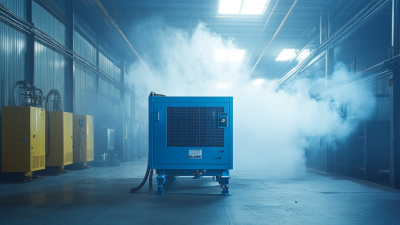
Compressed air may look clean as it leaves a compressor. It often is not. Water droplets, rust, oil aerosols, and fine particles can travel through pipes and reach tools or products. The right Compressed Air Cleaner helps control these contaminants, but choosing one by appearance or price alone can lead to poor results. A filter that is too small may restrict airflow. One that removes the wrong contaminants may offer little protection.
Selection starts with the actual job. Consider the required air flow, operating pressure, temperature, and contaminants at the point of use. A spray booth, packaging line, and pneumatic tool may need different levels of air treatment. Check the manufacturer’s stated filtration performance and pressure drop, not just the product name. Some systems also need a dryer or oil-removal stage; a cleaner does not automatically solve every moisture problem. Details matter.
Installation matters, too. A well-chosen unit can perform poorly if its element is overdue for replacement or its drain is neglected. Keep service access in mind. So does the cost of downtime. This guide explains how to compare cleaner types, match specifications to real operating conditions, and avoid common sizing mistakes. There is no universal answer. Even experienced operators sometimes discover that their original assumptions were incomplete. Regularly reviewing air quality and equipment performance helps keep the choice practical, reliable, and suited to the process.
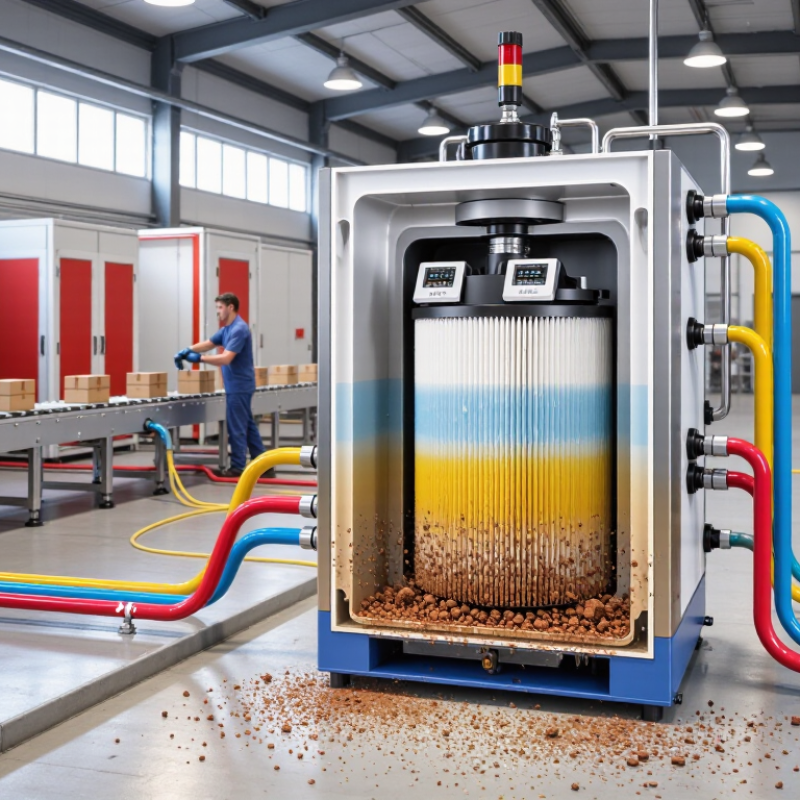
A compressed air cleaner removes contaminants that travel through an air system. These commonly include water droplets, rust, pipe scale, and oil aerosols. A compressor may deliver air that looks clear, yet moisture can collect as it cools inside the pipes. The result may be wet tool surfaces, clogged valves, or blemishes in a coating. Clean air protects equipment and helps keep production more consistent. That matters.
Most cleaners use filters to capture solid particles and coalescing elements to gather tiny oil and water droplets into larger drops. Those drops drain away. Some systems also need a separate dryer, because a filter alone cannot remove all water vapor. The right setup depends on the job: air for general workshop tools may tolerate more moisture than air used near sensitive instruments. Check the required air quality, operating pressure, and flow rate before choosing equipment. A filter that is too small can restrict airflow. Not ideal.
Placement matters, too. A main-line cleaner treats air for several work areas, while a point-of-use unit adds protection near a specific tool. Inspect the drain and replace filter elements according to pressure-drop readings or service guidance. It is tempting to treat “clean” as a single condition, but different processes have different needs. Even a well-maintained cleaner cannot compensate for undersized piping or a neglected compressor.
Compressed Air Purity
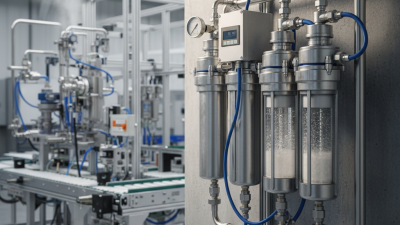
Compressed air can carry three main contaminants: solid particles, water, and oil. Each creates a different risk. Dust can block small valves; liquid water can corrode pipes and damage pneumatic tools; oil may interfere with painting, packaging, or product-contact processes. Check the air where it is used, not only at the compressor outlet. A clean-looking hose proves very little.
ISO 8573-1:2010 classifies compressed-air purity by particles, water, and total oil. Its Class 1 limits illustrate how demanding sensitive applications can be: total oil must not exceed 0.01 mg/m³, while pressure dew point must be no higher than −70°C. These are not universal targets. A workshop tool may tolerate more moisture than a dry coating line, and filtration alone will not remove water vapor. Match the specification to the process, then verify performance with suitable measurements.
Don’t overlook microbes and vapors. They may matter in especially sensitive applications, but the required controls depend on the process and the applicable purity specification. Filters also have limits: a particulate element cannot reliably solve an oil-vapor problem. I have seen selection discussions focus on filter ratings while ignoring condensate drainage and maintenance. That is an easy mistake. Review particle size, liquid water, oil aerosols, and oil vapor separately, and allow for changing loads; real systems are rarely as steady as a catalogue example.
Start with the airflow the cleaner must handle, not the pipe size alone. Check the compressor’s delivered flow and the highest demand during normal production. A cleaner rated for average use may struggle when several tools run together. Leave a sensible margin, but avoid oversizing without reason; larger units can add cost and may not improve air quality.
Pressure matters too. Compare the cleaner’s rated flow at your actual inlet pressure, since capacity ratings can change with operating conditions. Then check the pressure drop across the unit. Even a small loss can affect equipment at the far end of a long line. If pressure is already low, a restrictive cleaner may make the problem more noticeable. Small details matter.
Temperature, moisture, and contamination also influence performance. Hot, humid air can place a heavier load on filtration components, so use the manufacturer’s correction data where available. Check that the stated capacity applies to your conditions, not just a standard test point. A sizing chart is useful, but it is not the whole answer. Measure pressure and airflow under real operating loads when possible, and review the choice if production patterns change. The first estimate may be imperfect; treat it as a starting point, then verify it.
Filtration and drying solve different problems. Filters capture particles, oil aerosols, or liquid droplets; dryers reduce water vapor. A clear glass of condensate at a drain may show liquid water, but it does not reveal how much vapor remains in the air.
Compare equipment against the air quality your tools and process actually require. Check particle size, residual oil, and pressure dew point, not just a filter’s advertised efficiency. A coalescing filter can remove fine liquid aerosols, while a particulate filter catches solid contamination. Neither removes water vapor. Refrigerated dryers suit many general-purpose systems; desiccant dryers can reach lower dew points, often for cold lines or moisture-sensitive processes. They may also use more energy or purge air. Details matter.
Inspect the system under real operating conditions. Inlet temperature, pressure, flow, and seasonal humidity affect performance, so a specification from ideal test conditions may not match a busy workshop. Measure pressure drop across filters, and check dew point downstream of the dryer. A small pressure loss can become a steady energy cost. I have seen equipment selected by pipe size alone; it looked sensible on paper, yet struggled during peak demand. That is a useful warning, not a universal rule. Leave room for maintenance, changing loads, and the occasional imperfect measurement.
Choosing a compressed air cleaner starts with the air your equipment actually needs. Check the required flow rate, inlet pressure, pipe size, and connection type against the cleaner’s specifications. A unit that is too small can restrict flow during peak demand; an oversized one may cost more without improving air quality. Match its filtration level to the contaminants and the application. For example, paint equipment may need finer oil and particle control than a general-purpose air tool. Check the specified pressure drop, too. Even a small restriction can increase compressor workload over long operating hours.
Maintenance affects performance and cost. Find out how often filter elements need replacement, whether the drain requires regular inspection, and how easily staff can reach these parts. A clogged element can raise pressure drop, while a blocked drain may let collected moisture travel downstream. Small details matter. Ask for replacement-element prices and availability before purchase, not after the first service reminder. Estimate energy use, consumables, and labor across a typical year, then compare that figure with the purchase price. The estimate will be imperfect; production schedules and air quality vary. Still, it is more useful than choosing by sticker price alone. Keep a simple log of pressure readings and service dates to test your assumptions over time.