What is Spindle Angle Head and How Does it Work?
The Spindle Angle Head is a versatile tool in machining. It allows for accurate and efficient cutting operations at various angles. This device enhances productivity and flexibility in manufacturing processes.
Manufacturers often face challenges when machining complex parts. The Spindle Angle Head addresses these challenges by enabling multi-angle machining without repositioning the workpiece. This capability can save significant time and resources.
Despite its advantages, proper setup and understanding of the Spindle Angle Head are crucial. Operators must ensure alignment and settings meet specific project requirements. Mistakes in setup can lead to errors or inefficiencies. Therefore, continuous learning and improvement in using this tool are essential for optimal results.
Definition and Overview of Spindle Angle Head
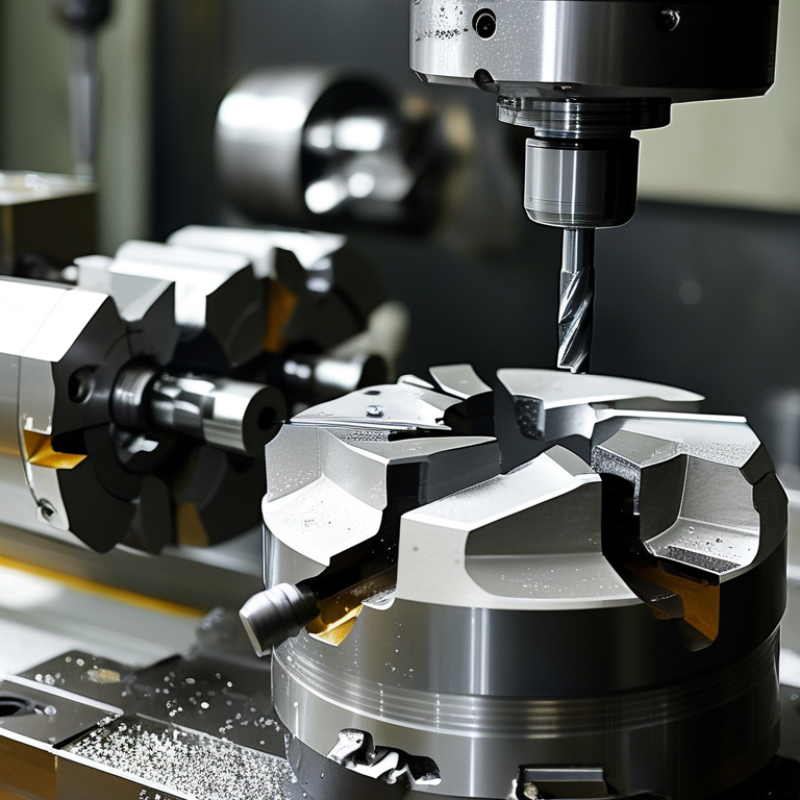
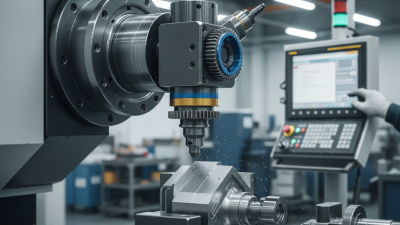
A spindle angle head is a specialized tool used in machining operations. It allows for angular drilling or milling on a workpiece. This tool typically attaches to the spindle of a CNC machine, enabling it to operate at various angles. The versatility of spindle angle heads enhances productivity and reduces the need for multiple setups.
These heads can pivot at different angles, providing flexibility in machining complex geometries. This adaptability is crucial for achieving precision in tight spaces. Operators often find themselves navigating challenging designs, and a spindle angle head simplifies these tasks. However, it requires careful calibration to ensure accuracy.
Many technicians encounter difficulties when using angle heads for the first time. Issues can arise if the tool is not aligned correctly. Misalignment can lead to increased wear or damage to both the tool and the workpiece. Familiarity with setup procedures is essential. A good understanding of material properties also helps in making informed choices during operations.
Key Components of a Spindle Angle Head
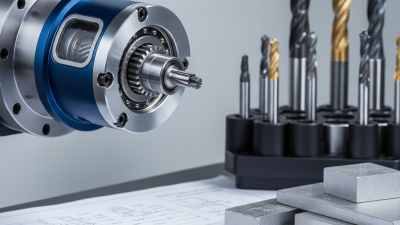
A spindle angle head is an essential tool in modern machining. It allows for the extension of spindle capabilities by providing the ability to machine at various angles. The key components of a spindle angle head include the housing, spindle, drive mechanism, and collet. Each part plays a crucial role in delivering precise machining results.
The housing, typically made of sturdy materials, supports the entire assembly. The spindle provides a reliable axis for tool attachment and movement, while the drive mechanism ensures that power is efficiently transmitted. According to industry reports, utilizing a high-quality spindle angle head can increase productivity by up to 25%. It also reduces the need for tool changes, saving time and improving workflow.
Tip: Regular maintenance of the angle head is critical. Check for wear and tear on the components to ensure optimal performance.
In addition, the collet holds the cutting tool securely in place. This grip is crucial for accuracy at varying angles, which enhances machining flexibility. However, not all angle heads are created equal. Factors such as design and material quality can affect performance. A poorly made angle head can lead to excessive vibration and inaccuracies.
Tip: Invest time in selecting the right spindle angle head for your specific machining needs. A well-suited tool can improve job outcomes significantly.
Mechanism of Operation for Spindle Angle Heads
Spindle angle heads are essential tools in modern machining. They enable complex operations at various angles. The mechanism of these heads is designed to enhance flexibility and efficiency.
The spindle angle head connects to the main spindle of a machine tool. It tilts at specific angles, allowing for intricate cuts. This tilting mechanism often uses gears or belts to achieve the desired positioning. A robust locking system ensures stability during operation. The precision of the angles directly impacts the quality of the finished product. Misalignments can lead to errors, affecting overall performance.
Operators must also consider the tool selection. Not every tool is suitable for all angles. The choice of material and geometry influences cutting efficiency. Regular maintenance of the angle head is crucial. Wear and tear can reduce effectiveness over time. Observations and adjustments during operation may be necessary. Understanding these elements is key to maximizing the potential of spindle angle heads.
Applications of Spindle Angle Heads in Manufacturing
Spindle angle heads play a crucial role in modern manufacturing processes. These attachments allow for increased versatility in machining operations. By enabling multi-directional cutting, they can significantly reduce setup times. For instance, a study from the Association for Manufacturing Technology indicates that using spindle angle heads can improve productivity by up to 30% in certain applications.
In aerospace and automotive industries, precision is vital. Spindle angle heads excel in tasks such as drilling, milling, and tapping in confined spaces. Their ability to work at various angles enhances accessibility to difficult-to-reach areas. Reports show that implementing angle heads can decrease part cycle times, helping manufacturers meet tight deadlines.
While their benefits are clear, challenges remain. Not all machines are compatible with angle heads, and the upfront investment can be substantial. Some operators may also require additional training to maximize the technology's potential. These factors can limit widespread adoption, even as productivity gains are proven in case studies. Manufacturers must weigh the advantages against operational hurdles to determine the best course of action.
Applications of Spindle Angle Heads in Manufacturing
Advantages of Using Spindle Angle Heads in Precision Machining
Spindle angle heads are crucial tools in precision machining. These devices allow for angled drilling and milling operations, which enhance versatility and efficiency. When used correctly, they improve productivity without the need for complex setups. This aspect is vital for companies striving to reduce production time.
One key advantage is their ability to achieve tight tolerances. In industries like aerospace or automotive, every detail matters. The precision provided by spindle angle heads can lead to better-fitting parts and reduced waste. Yet, achieving this level of precision requires technical skill. Operators must understand the equipment thoroughly to avoid mistakes.
Another benefit is the ability to reach challenging areas. Complex designs often have hard-to-reach spots. With spindle angle heads, machining these areas becomes more manageable. However, operators must consider the machine's limits and the tooling setup. Overlooking these factors can result in subpar outcomes. Fine-tuning the process can be time-consuming but is essential for quality.
What is Spindle Angle Head and How Does it Work? - Advantages of Using Spindle Angle Heads in Precision Machining
| Feature |
Description |
Advantages |
| Design |
Articulating head attached to spindle |
Enhanced versatility in machining |
| Angle Range |
Adjustable angles for various operations |
Ability to reach difficult angles without repositioning |
| Material Compatibility |
Suitable for metals, plastics, and composites |
Wide applicability across industries |
| Time Efficiency |
Reduced tool change times |
Increased productivity in machining processes |
| Cost Effectiveness |
Minimizes the need for additional setups |
Lower operational costs |
| Precision |
High precision in machining operations |
Consistent part quality |