What is a Toolholder Collet and How Does It Work?
In the world of machining and manufacturing, the Toolholder Collet plays a crucial role. This essential component helps secure cutting tools in place, ensuring precision during operation. Renowned expert Dr. John Thompson, a noted authority in tool technology, once stated, “The efficiency of any machining operation heavily relies on the quality of the collet used.”
Understanding how a Toolholder Collet functions is vital for anyone involved in machining. It grips tools tightly, reducing vibrations and improving accuracy. This mechanism enhances the lifespan of tools and the overall quality of workpieces. The design of a collet allows for quick tool changes, which saves valuable time in production environments.
However, not all collets are created equal. Users may encounter issues if they choose the wrong size or type. This inconsistency can lead to problems such as tool slippage or reduced performance. Careful selection and maintenance of Toolholder Collets can significantly improve machining outcomes.
What is a Toolholder Collet?
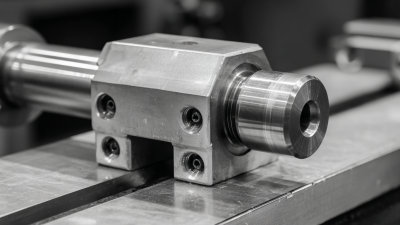
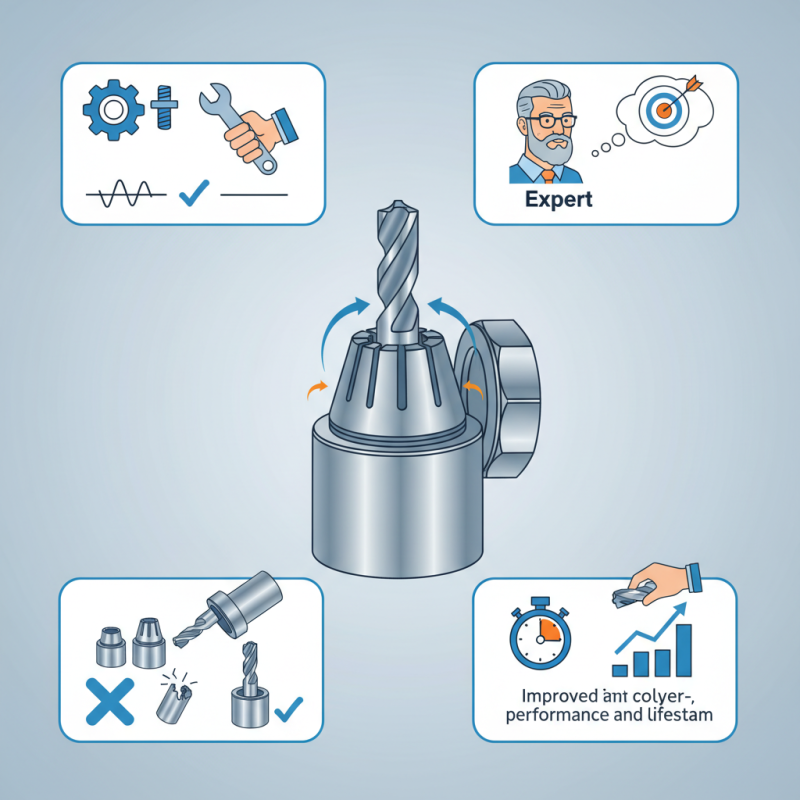
A toolholder collet is a crucial component used in various machining operations. It serves to securely grip cutting tools in milling, drilling, and turning applications. The design allows for precision and stability, essential for achieving accurate results in manufacturing. Collets come in various sizes and shapes, tailored to fit specific tools.
The function of a toolholder collet is straightforward yet vital. It uses a clamping mechanism to hold the tool tightly in place. When the collet is tightened, it expands or contracts to fit the tool snugly. This design minimizes vibrations, which can affect performance. However, not all collets are created equal. Choosing the wrong type can lead to issues like misalignment or tool breakage.
In practice, different materials may impact the effectiveness of a collet. Often, it's easy to overlook the wear and tear on a collet over time. Regular maintenance is necessary to ensure reliable performance. Users may find themselves questioning when to replace or service their collets. Understanding these details can greatly influence the success of machining projects.
The Components of a Toolholder Collet
A toolholder collet is essential in machining. This component securely grips various cutting tools. Its design allows for precision and stability during operation. A collet boasts several key components that contribute to its function.
The main parts include the collet body, collet nut, and drawbar. The collet body is engineered to grip the tool tightly. It features slits that expand when tightened. This design ensures minimal runout, vital for high-speed operations. The collet nut secures the collet body in place. Accurate torque application is necessary for optimal performance. Industry studies suggest a well-secured tool can enhance machining accuracy by up to 20%.
Another component is the drawbar. It connects the collet to the machine spindle. A well-calibrated drawbar can significantly reduce vibration. Studies have shown that vibration can decrease tool life by 30%. Regular inspection of all components is crucial. Inspections help identify wear or damage that could lead to failures. Understanding these components underscores the importance of routine maintenance and proper toolholder selection in machining.
Toolholder Collet Types and Their Usage
The Working Mechanism of a Toolholder Collet
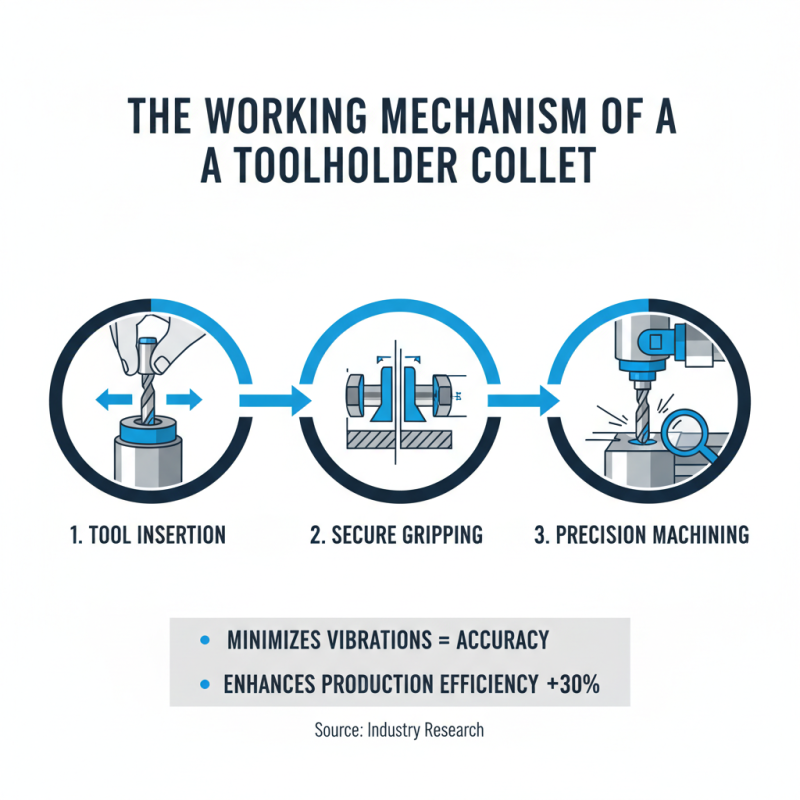
A toolholder collet is a crucial component in machining operations. Its primary role is to securely grip cutting tools, ensuring precision during processes like drilling and milling. The design of collets allows for a tight fit, minimizing vibrations that can lead to inaccuracies. Research indicates that proper tool stability can enhance production efficiency by up to 30%.
The working mechanism of a collet involves a combination of clamping and compression. When a tool is inserted, the collet contracts around it. This clamping force is generated by a threaded mechanism. Different materials can affect grip. For example, a collet made from high-carbon steel offers durability but may struggle with lighter tools. Proper selection of material is essential in maintaining tool integrity during machining.
Despite advancements, collets do require periodic inspection. Over time, wear can compromise their effectiveness. Regular checks can prevent tool slippage, which not only affects precision but may lead to tool damage. A study reveals that nearly 15% of machining errors stem from issues related to toolholding. Understanding these dynamics is vital for any machinist aiming for higher accuracy and efficiency in their operations.
Types of Toolholder Collets and Their Applications
Toolholder collets play a crucial role in the world of machining. They securely hold a variety of cutting tools in place, ensuring precision during operations. There are different types of toolholder collets, each designed for specific applications. The most common types are ER collets, which excel in versatility, and TG collets, known for their high-speed capabilities. These variations are vital across industries, from manufacturing to woodworking.
ER collets accommodate a range of tool sizes and provide excellent clamping force. They're particularly useful for jobs requiring frequent tool changes due to their quick-release mechanism. On the other hand, TG collets offer superior rigidity and are suited for high-speed machining tasks. They maintain tool stability, which is essential for achieving tighter tolerances and better surface finishes.
While collets offer many advantages, challenges can arise. Not all collets work well with every tool type. Improper sizing can lead to tool slippage or damage. Operators must choose wisely based on their specific needs. The right collet can make a significant difference in efficiency and quality. Understanding the nuances of each type is essential for optimal performance.
What is a Toolholder Collet and How Does It Work?
| Type of Toolholder Collet |
Material |
Application |
Advantages |
| Standard Collet |
Steel |
Milling Machines |
Good clamping force and precision |
| Hex Collet |
Steel or Aluminum |
Drilling and Tapping |
Prevents slipping during operations |
| Precision Collet |
Tool Steel |
High-Precision Machining |
Exceptional runout characteristics |
| Pullback Collet |
Alloy Steel |
Lathe Operations |
Improves tool access and reduces length |
| DIN Collet |
Steel |
General Machining |
Widely used, compatible with many machines |
Benefits of Using a Toolholder Collet in Machining
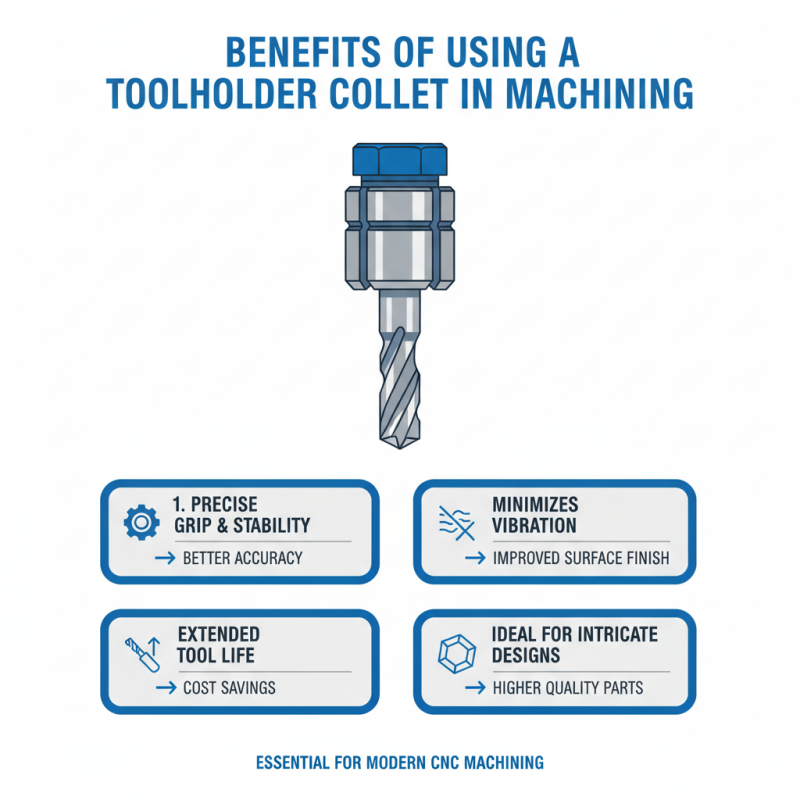
Toolholder collets play a vital role in machining processes. They provide a precise grip on cutting tools, ensuring stability during operations. This precision allows for better accuracy in machining tasks. When a collet tightens around a tool, it minimizes vibrations. Less vibration means improved surface finish and longer tool life. This feature is especially beneficial when working on intricate designs.
Using a toolholder collet can also boost efficiency. The quick-release mechanism enables faster tool changes. This reduces downtime, allowing for continuous production. In high-volume manufacturing, this efficiency translates to significant time and cost savings. However, improper handling or wear can lead to tool slippage, risking damaged parts.
Another advantage of collets is their compatibility with various tool sizes. They accommodate different diameters, making them versatile for various applications. Yet, it's essential to assess the specific needs of each job. Not every collet is suitable for all tasks. Taking the time to choose the right collet is crucial for optimal performance.