Top 10 Extension Rod Tips for Global Buyers
In the global market, choosing the right Extension Rod can greatly influence project success. Many buyers feel overwhelmed by the variety of options available. The stakes are high, as a poor choice might lead to project delays or, worse, equipment failure.
Understanding the key features of Extension Rods is essential. Factors such as length, material, and compatibility with tools impact overall performance. Buyers must also consider the manufacturer’s reputation for quality and reliability.
This guide aims to bridge the knowledge gap for global buyers. It highlights important tips based on years of industry experience. By reflecting on common challenges, we hope to empower buyers to make informed decisions. Choosing wisely will ensure the Extension Rod meets specific needs effectively.
Understanding Extension Rods: A Comprehensive Overview
Extension rods are essential tools in various industries, from construction to telecommunications. They are designed to extend reach, allowing users to access hard-to-reach areas safely. According to a recent market report, the global extension rod market is projected to grow by 7% annually. This growth reflects their increasing importance in diverse applications.
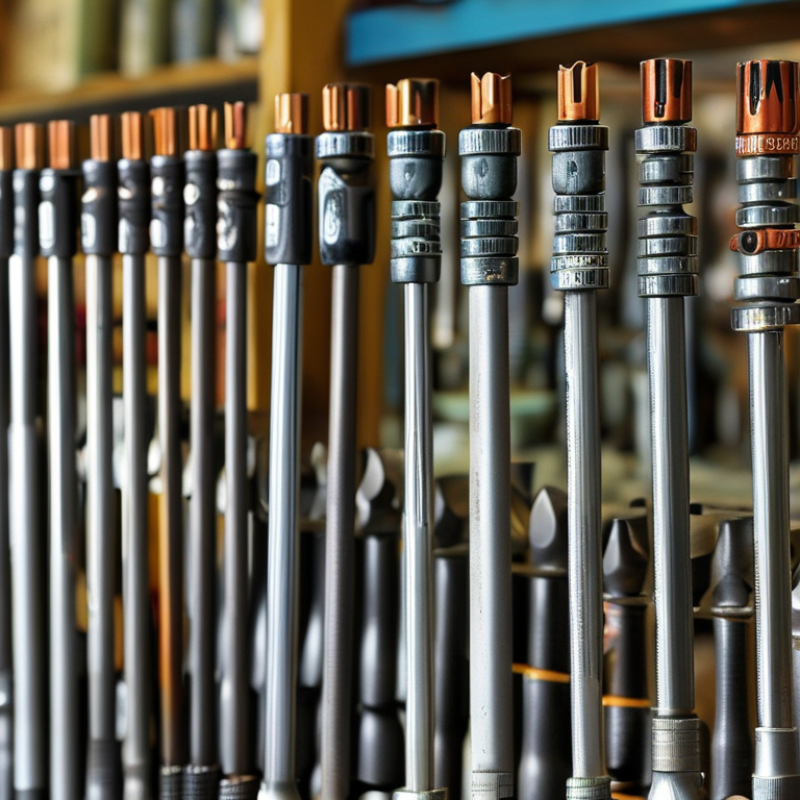
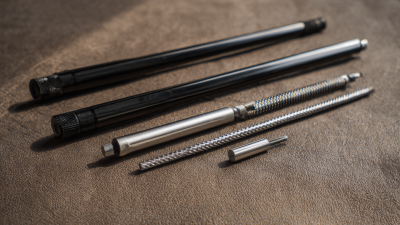
When selecting an extension rod, it’s vital to consider material and weight. Most extension rods are crafted from aluminum or fiberglass. Aluminum rods offer durability and lightness, making them easier to handle. On the other hand, fiberglass rods provide excellent insulation, ideal for electrical work. Both materials have pros and cons that must be evaluated based on their intended use.
Safety should always be a priority. Understanding weight limits and tool specifications is crucial. Using an extension rod incorrectly can lead to accidents or equipment damage. Unexpected failures often stem from a lack of attention to these guidelines. With proper knowledge and respect for the tool, the benefits of extension rods can vastly outweigh the challenges they present.
Key Features to Consider When Choosing Extension Rods
Choosing the right extension rod requires careful consideration of several key features. First, the material is paramount. Aluminum rods are lightweight and durable, ideal for portability. In contrast, fiberglass rods offer better insulation, making them useful in electrical applications. According to a recent market report, about 40% of users prioritize material for performance.
Next, consider the length and adjustability. Extension rods come in various lengths. A versatile, adjustable rod can fit multiple tasks. Users often find that rods extending from 5 to 15 feet cater to a wider range of needs. For instance, a typical homeowner may need a rod for tasks like cleaning gutters or reaching high ceilings.
Users should also evaluate weight capacity. Not all rods can handle heavy loads or tools. According to industry data, nearly 30% of accidents occur due to overloaded equipment. A strong rod might be essential for carrying heavy tools or for commercial use.
Tip: Always check the manufacturer's specifications. This ensures you choose a rod that meets your weight and length needs without compromise.
It’s also crucial to assess the grip design. A comfortable grip enhances safety and control. Look for ergonomic designs, especially if you'll use the rod frequently. Often, users underestimate the importance of a good grip, leading to potential mishaps. Choosing the right extension rod can significantly improve efficiency, so take time to weigh your options.
Top Markets for Purchasing Extension Rods Globally
When exploring the global markets for extension rods, buyers should consider various factors. One of the most promising regions is
Asia-Pacific. This area offers affordable manufacturing costs and a wide range of products.
However, quality can vary significantly, so careful evaluation is essential.
North America is another key market. Here, buyers can find a strong emphasis on quality standards.
Companies often prioritize sustainability, which can increase costs. Yet, this focus on quality presents reliable options for serious buyers.
In Europe, the demand is driven by advanced technology. Buyers may find innovative designs, but they come with a higher price tag.
The balance of quality versus cost is a crucial consideration. Furthermore, an in-depth understanding of local regulations is necessary for compliance.
Each market has its unique challenges and opportunities. Recognizing these can help buyers make informed choices.
Quality Assessment: How to Evaluate Extension Rod Performance
When purchasing extension rods, quality assessment is crucial for global buyers. Focus on the materials used in the rod's construction. High-grade aluminum or carbon fiber can significantly enhance durability. Look closely at the weight-to-strength ratio. A lighter material might be easier to handle but can compromise stability.
Evaluate the design features as well. Extensions with ergonomic handles can offer better control during use. Test the locking mechanisms, as they must be robust and secure. A weak lock can lead to accidents or damage. Pay attention to the rod's flexibility. Some applications require stiffness, while others benefit from a more flexible design.
It's important to read reviews and gather insights from experienced users. Online forums or community groups can reveal hidden issues, such as durability over time. Users often share their experiences regarding wear and tear. Consider the length and telescoping capabilities as per your specific needs. A rod that doesn’t extend or retract smoothly can be frustrating, revealing potential design flaws. Trustworthy feedback is essential in making an informed decision.
Top 10 Extension Rod Quality Assessment
Tips for Negotiating Pricing and Contracts with Suppliers
Negotiating pricing and contracts with suppliers can be challenging. Understanding the market landscape is key. Buyers should gather data on average prices and common terms in their industry. A comprehensive knowledge base fosters confidence during negotiations. Use industry reports or reliable online resources to support your findings.
Building relationships with suppliers is also crucial. Establishing trust can lead to better pricing and favorable contract terms. Frequent communication is essential. Keep discussions open and transparent. Suppliers appreciate buyers who show commitment and loyalty. Consider employing a collaborative approach to discussions. This can often yield more flexibility on both sides.
Many buyers underestimate the importance of timing in negotiations. Seasonality affects pricing and availability. It’s wise to plan negotiations around these fluctuations. Be prepared for setbacks or counteroffers. Reflect on each negotiation's outcome to improve future strategies. This ongoing adjustment fosters growth and adaptability in a competitive landscape.