Top 10 Milling Chuck Collet Types for Global Buyers?
The demand for efficient machining processes has led to the evolution of various Milling Chuck Collet types. These tools play a critical role in the precision and stability of cutting operations. According to the latest report from Market Research Future, the global milling tool market is projected to reach $15 billion by 2027, emphasizing the significance of quality components like Milling Chuck Collets.
Industry expert Dr. Mike Thompson notes, “The type of collet used can greatly affect machining accuracy and overall efficiency.” His statement reflects the importance of selecting the right collet type for specific applications. With numerous options available, understanding the features and advantages of each type becomes essential for global buyers.
While there are many specialized collet types, not all offer the same performance or reliability. Some may lead to inconsistencies in machining processes, impacting production significantly. Recognizing these nuances is vital for buyers striving for optimal results. Exploring the top ten Milling Chuck Collet types can guide buyers in making informed decisions, ensuring they choose the right tool for their specific manufacturing needs.
Understanding Milling Chuck Collet Types: An Overview of Applications
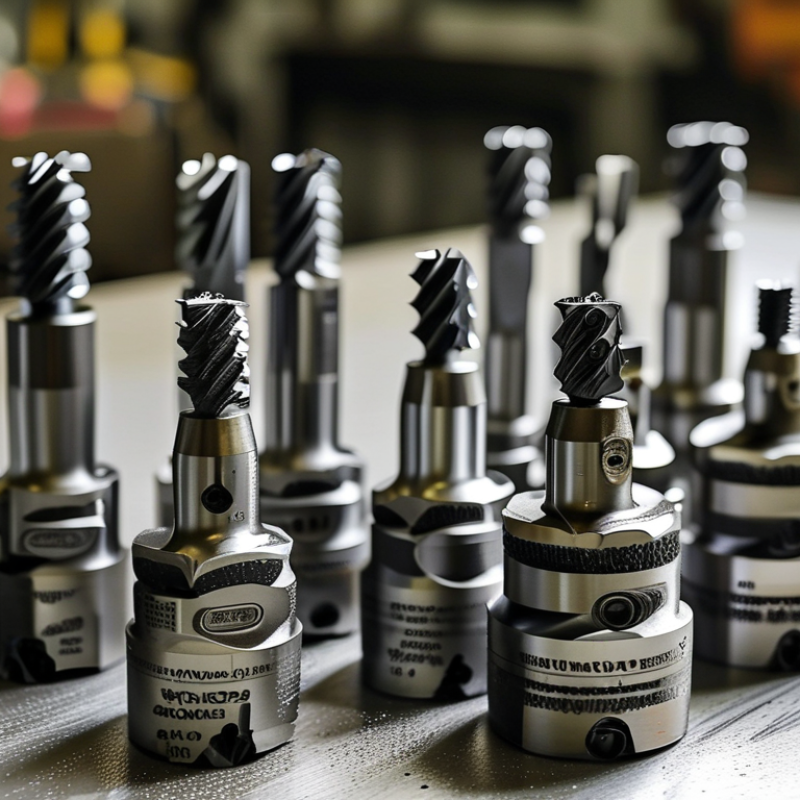
Milling chuck collets are essential tools in various machining applications. They hold cutting tools with precision and stability. Understanding the different types of milling chuck collets can greatly enhance productivity and reduce errors in machining.
There are several types of collets, each serving unique purposes. For instance, ER collets are widely used due to their versatility and wide range of clamping diameters. A recent industry report found that ER collets account for nearly 40% of the market due to their efficiency across various materials. Another type, the TG collet, is noted for its high rigidity and is ideal for applications requiring high precision. It is especially popular in aerospace and automotive sectors.
However, selecting the right collet is crucial to avoid issues. The wrong size can lead to tool slippage and inconsistent finishes. Research indicates that approximately 30% of machining errors stem from improper tool holding. Buyers need careful consideration of collet materials and their compatibility with specific cutting tools. This choice directly impacts machining accuracy and operational costs.
Top 10 Milling Chuck Collet Types
Top 10 Milling Chuck Collet Types: Performance Metrics and Comparisons
When selecting milling chuck collet types, performance metrics are crucial. Different collets excel in specific applications. The ER collet is versatile and offers high clamping force, suitable for various tools. Meanwhile, the TG collet provides rigidity, allowing for precision in high-speed machining.
Comparisons reveal notable differences. Some collet types provide better vibration damping, while others enhance tool retention. It often comes down to the specific needs of the machining process. For example, a more rigid collet may lead to better accuracy but can also increase wear on both the tool and the workpiece.
Another point to consider is the ease of use. Some collets require special wrenches for tightening. Others allow for quick changes without tools. Users should reflect on their workflow to choose wisely. This choice impacts productivity and cost efficiency. Each collet type offers distinct benefits and drawbacks, which can affect overall performance.
Top 10 Milling Chuck Collet Types for Global Buyers
| Collet Type |
Material |
Clamping Range (mm) |
Max RPM |
Tension (N) |
Application |
| ER Collet |
Spring Steel |
1.0 - 20.0 |
20,000 |
1500 |
General machining |
| SK Collet |
Carbon Steel |
1.5 - 16.0 |
18,000 |
1600 |
High-speed machining |
| SATA Collet |
Alloy Steel |
2.0 - 12.0 |
22,000 |
1400 |
Precision machining |
| TG Collet |
Stainless Steel |
3.0 - 25.0 |
15,000 |
1800 |
CNC machining |
| 5C Collet |
Bronze |
1.0 - 3.0 |
12,000 |
1300 |
Workholding |
| ER32 Collet |
Spring Steel |
1.0 - 20.0 |
24,000 |
1900 |
End milling |
| DS-2 Collet |
High Carbon Steel |
2.5 - 16.0 |
20,000 |
1700 |
General purpose |
| C6 Collet |
Alloy Steel |
2.0 - 12.0 |
18,000 |
1600 |
Lathe work |
| R8 Collet |
Mild Steel |
3.0 - 22.0 |
14,000 |
1500 |
Vertical milling |
| DA Collet |
Tool Steel |
1.0 - 11.0 |
13,000 |
1200 |
Machining centers |
Industry Trends in Milling Collet Usage: Insights from Market Data
Milling collets play a crucial role in the precision machining industry. Recent market data reveals an increasing demand for various collet types. Buyers are focusing on efficiency and versatility. Industries are continually adjusting their needs. This leads to a dynamic market landscape.
Trends indicate a shift towards high-precision collets. These collets enhance tool performance and extend lifespan. Many manufacturers are exploring innovative materials. However, some users still face challenges with compatibility. The right collet can significantly reduce runout, improving accuracy. Buyers must consider their specific applications carefully.
There's also a growing interest in adaptive collets. These can accommodate a range of tool sizes. Yet, their complexity may deter some users. Not all shops have the necessary equipment to take advantage of them. It raises questions about investment and returns. The future of milling collets may depend on striking a balance between innovation and practicality.
Factors Influencing Buyer Decisions: Quality, Cost, and Compatibility
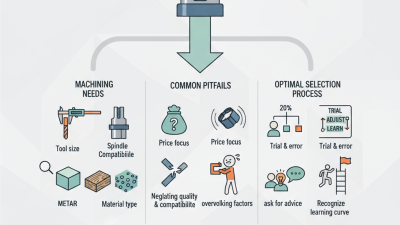
When selecting milling chuck collets, several key factors influence buyer decisions. Quality is paramount. Buyers often look for collets that offer high precision and durability. According to a recent market report, 70% of machinists prioritize precision over price when making purchases. High-quality collets can enhance machining accuracy, leading to lower manufacturing costs in the long run. Nevertheless, not all buyers can ascertain quality effectively, which sometimes leads to regret.
Cost remains a significant factor. With budgets tightening, manufacturers must balance price and quality. Industry statistics indicate that up to 60% of buyers will choose a less expensive option, even if it means sacrificing some quality. This trend often results in increased wear and tear on machines and tools. Thus, while cheaper options look appealing, they can negatively affect overall productivity.
Compatibility is also critical. Collets must match the specific machines they are designed for. A mismatch can lead to operational failures. Surveys show that around 40% of buyers fail to ensure this compatibility prior to purchase, leading to unsatisfactory experiences. Buyers must do thorough research to avoid dissatisfaction. Ensuring the right fit is crucial for optimal machine performance and longevity.