Top 10 Tapping Machine Collets You Need for Precision Machining
In the realm of precision machining, the significance of high-quality Tapping Machine Collets cannot be overstated. As an industry expert, Dr. Samuel Hartman, a renowned mechanical engineer and consultant, emphasizes, “The precision and efficiency of tapping operations largely depend on the collets used; they are the unsung heroes of accuracy in machining.” This statement succinctly captures the essence of why selecting the right collet is critical for achieving optimal results in any tapping process.
Tapping Machine Collets serve as essential components that securely hold the tap in place, ensuring that the alignment and stability are maintained throughout the operation. With the demand for precision increasing across various manufacturing sectors, understanding the top options available in the market is crucial for engineers and machinists alike. Whether you are involved in small-scale projects or high-volume production, investing in the right Tapping Machine Collets can make a significant difference in productivity and accuracy.
As we delve into the top ten Tapping Machine Collets you need for precision machining, we aim to provide insights into their functionality, benefits, and how they can elevate your machining tasks. This exploration will guide professionals in making informed decisions that enhance both the quality of their work and the efficiency of their operations.
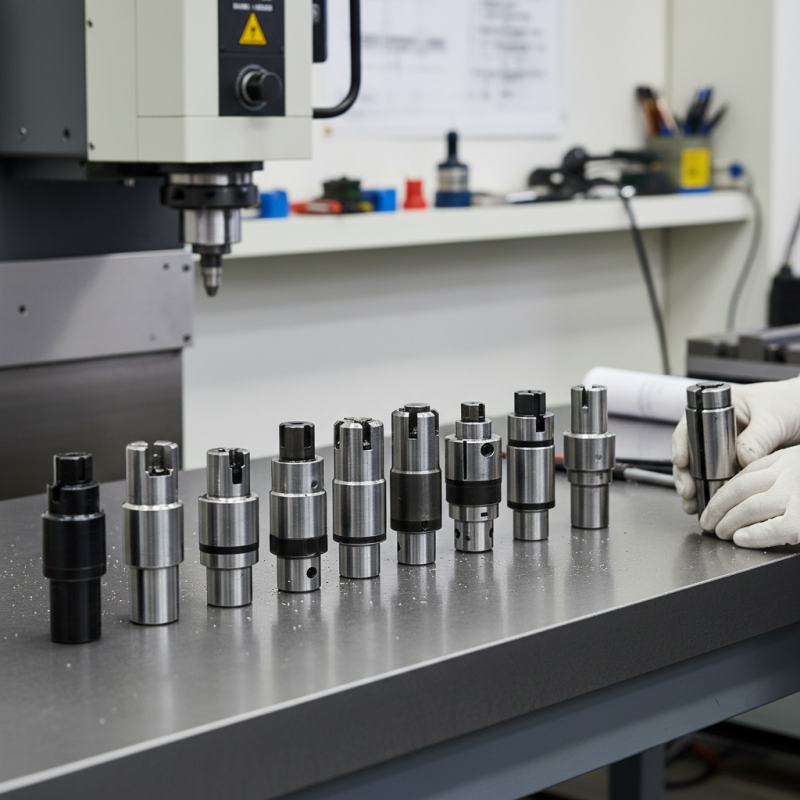
Types of Tapping Machine Collets for Precision Machining
When it comes to precision machining, the choice of tapping machine
collets is crucial for achieving accurate results. There are several types of collets designed specifically for
various applications, and understanding their differences can greatly enhance the machining process.
The most common types include standard collets, which are versatile and can accommodate a range of tap sizes,
and precision collets, engineered for tighter tolerances that ensure enhanced gripping force and reduced
runout during operation.
Another significant category is the quick-change collet, which allows for
rapid tool changes without needing to recalibrate the machine, saving time on the production floor.
Additionally, there are specialized collets, such as those designed for taper taps and spiral taps, which
cater to specific tapping needs and ensure optimal performance in different materials. Each type of collet
contributes unique advantages, tailoring the machining experience to the specific requirements of the project
at hand. Choosing the right collet type not only improves efficiency
but also significantly elevates the precision of the machining outcome.
Key Features to Consider When Choosing Tapping Machine Collets
When selecting tapping machine collets, several key features must be taken into account to ensure precision and efficiency in machining processes. One of the foremost considerations is the collet's gripping range and compatibility with various tap sizes, which can significantly affect machining accuracy. A comprehensive study by the National Institute of Standards and Technology indicates that a proper grip can enhance the stability of tools, reducing the incidence of tool failure or wobbling, which is critical for achieving tight tolerances often required in precision work.
Another essential feature is the material and design of the collet itself. High-quality collets are typically made from hardened steel or other durable materials that maintain their shape and integrity under stress, thereby ensuring prolonged performance. Research conducted by the American Society of Mechanical Engineers shows that collets made with advanced manufacturing techniques, such as precision CNC machining, demonstrate significantly improved performance metrics, including reduced runout and increased tool longevity. Additionally, features like self-centring designs can contribute to more accurate and consistent results, which is crucial in industries where precision is paramount.
Lastly, the ease of use and the collet's adaptability to different machine types can also influence the selection process. Collets that offer quick change capabilities can substantially reduce downtime and improve productivity, as highlighted by recent findings published in the Journal of Manufacturing Science and Engineering. Overall, when choosing tapping machine collets, focusing on these key features will enhance machining performance and ensure a higher level of precision in manufacturing tasks.
Top 10 Tapping Machine Collets Performance Comparison
Top Brands and Their Popular Tapping Machine Collets
When it comes to precision machining, the importance of using top-quality tapping machine collets cannot be overstated. Various brands have established themselves as leaders in the industry, each offering products designed to enhance accuracy and efficiency in tapping processes. High-performance collets from these brands are engineered to provide excellent grip, minimal runout, and exceptional durability. As professionals in the field know, investing in reliable collets is crucial for achieving the desired specifications in machining operations.
Among the most popular collets in the market, options with features like self-centering designs and quick-change capabilities stand out. These characteristics enable machinists to switch between different tap sizes quickly without compromising on stability or alignment. Moreover, some collets are specifically crafted to handle various materials, allowing for versatility in different machining scenarios. As you explore the range of tapping machine collets, consider the unique offerings of different manufacturers and how their innovations can elevate your precision machining tasks.
Top 10 Tapping Machine Collets You Need for Precision Machining
| Collet Type |
Material |
Capacity (mm) |
Precision (µm) |
Applications |
| Hex Collet |
Steel |
6-12 |
5 |
General Tapping |
| Wafer Collet |
Aluminum |
3-10 |
3 |
Electronics Industry |
| End Mill Collet |
Tool Steel |
4-16 |
4 |
Millwork |
| Metric Collet |
Carbon Steel |
8-20 |
7 |
General Machining |
| Standard Collet |
Alloy Steel |
5-15 |
6 |
Precision Tapping |
| Pneumatic Collet |
Stainless Steel |
2-10 |
2 |
Automotive Assembly |
| Quick Change Collet |
High-Speed Steel |
4-12 |
5 |
Manufacturing |
| Blind Hole Collet |
Bronze |
3-7 |
4 |
Precision Engineering |
| Custom Collet |
Varied Materials |
Varies |
Varies |
Special Applications |
| Keyless Collet |
Titanium |
3-9 |
3 |
Quick Setup |
Maintenance Tips for Tapping Machine Collets to Ensure Longevity
Proper maintenance of tapping machine collets is essential to ensure their longevity and optimal performance in precision machining. Regular cleaning is one of the most critical steps in this process.
After each use, collets should be thoroughly cleaned to remove metal shavings, dirt, and cutting fluids that can accumulate over time. Using a soft brush or compressed air can help eliminate debris without causing damage. Additionally, it’s essential to inspect collets for any wear or damage, as even minor imperfections can impact accuracy and result in defective components.
Lubrication is another vital maintenance tip. Applying the right lubricant can significantly reduce friction between the collet and the tapping tool, enhancing operation efficiency and extending the lifetime of both components. It’s advisable to use a light machine oil or a specialized lubricant recommended for this purpose, ensuring that excess lubricant is wiped off to prevent contamination of the machined parts. Furthermore, storing collets in a clean, dry place will protect them from environmental factors that could lead to corrosion or degradation, contributing to prolonged durability and reliability during machining tasks.
How to Properly Install and Use Tapping Machine Collets
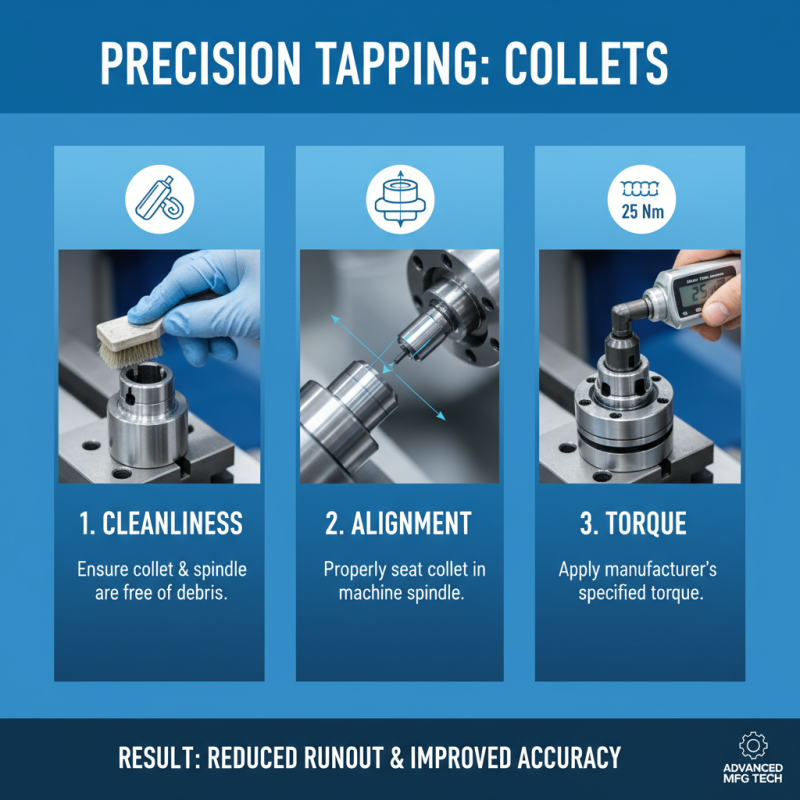
Proper installation and use of tapping machine collets are crucial for achieving high precision in machining operations. According to a report by the International Journal of Advanced Manufacturing Technology, the accuracy of tapping operations can be significantly influenced by the quality of collets used. When installing a collet, ensure that it is clean and free from any debris that could compromise the grip on the tool. Align the collet properly within the machine spindle, and employ a torque wrench to achieve the manufacturer’s specified tightening torque. This attention to detail can reduce runout and improve the overall effectiveness of the tapping process.
Once installed, using tapping machine collets effectively involves monitoring several factors, such as the speed and feed rate, to suit the material being machined. A study published in the Journal of Materials Processing Technology reveals that optimal tap speed can vary based on material hardness; for instance, softer metals like aluminum may require higher speeds, while harder materials benefit from reduced speeds to prevent tool wear. Additionally, employing the correct lubricant can further enhance the performance and lifespan of both the collet and the tapping tool, emphasizing the need for comprehensive training in proper usage techniques. Following these guidelines not only boosts productivity but also enhances precision, making the most of your tapping machine's capabilities.