What is an Air Water Separator Filter and How Does It Work?
An Air Water Separator Filter plays a crucial role in various industries. It effectively removes water and other contaminants from compressed air. This technology enhances the quality of air, ensuring the efficiency of machinery and processes. Dr. James Smith, a leading expert in industrial filtration, emphasizes its importance: "Clean air is essential for optimal performance."
Understanding how an Air Water Separator Filter works is vital. The filter uses a combination of gravitational and coalescing forces to separate water from air. This process leads to cleaner air and less wear on equipment. However, it requires regular maintenance. Neglecting this can lead to inefficiencies and higher operational costs.
Many businesses overlook the significance of such filters. Without them, machinery may face increased downtime due to repairs. By investing in an Air Water Separator Filter, companies can avoid costly disruptions. Clean air leads to a more productive work environment and better overall performance. Nonetheless, it’s crucial to choose the right filter for specific applications.
What is an Air Water Separator Filter?
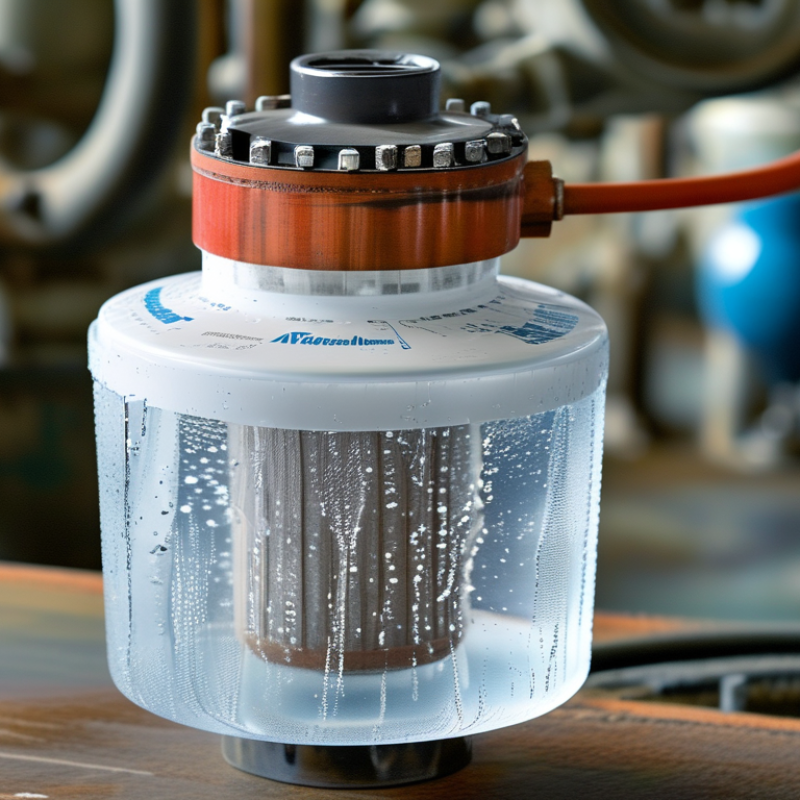
An air water separator filter plays a crucial role in various industrial applications. It is designed to remove moisture, contaminants, and particles from compressed air. This is vital for ensuring the efficiency and longevity of equipment. According to a report by the Compressed Air and Gas Institute, improper air filtration can lead to a 30% loss in efficiency in pneumatic systems.
The filter works by utilizing a combination of mechanical filtration and separation techniques. Compressed air enters the filter, where centrifugal forces remove larger water droplets. Subsequently, finer particles and remaining moisture are captured by a series of filtration elements. Studies suggest that over 90% of water and particulates can be removed when filters are properly maintained.
While air water separator filters are effective, they require regular maintenance and monitoring. Failure to replace or clean filters can lead to increased operational costs and inefficient performance. In some cases, user feedback indicates that overlooking these tasks results in equipment failure or downtime. This illustrates the need for operators to remain diligent in their upkeep practices for optimal performance.
The Importance of Air Water Separator Filters in Various Industries
Air Water Separator Filters play a crucial role in various industries by ensuring the efficient separation of air and water. This process is vital in settings such as manufacturing and power generation. In these environments, moisture can severely damage equipment, leading to costly repairs and downtime. Implementing effective air water separator filters can mitigate these risks, extending the lifespan of vital machinery.
In many industrial applications, the presence of water in compressed air systems can compromise product quality. For example, in food processing and pharmaceuticals, any trace of water can result in contamination. Industries must rely on advanced filtration technology to maintain standards. Air water separator filters act as a first line of defense. They intercept moisture before it infiltrates sensitive operations.
Despite their importance, some industries may overlook the regular maintenance of these filters. This oversight can lead to inefficiencies and failures. Regular checking and servicing of filters is essential. It ensures peak performance and longevity of the entire system. Investing time in proper maintenance will pay off significantly in the long run. Recognizing the importance of these filters is a step toward operational excellence.
What is an Air Water Separator Filter and How Does It Work? - The Importance of Air Water Separator Filters in Various Industries
| Industry |
Application |
Key Benefits |
Common Technologies |
| Oil & Gas |
Separation of water and oil during extraction |
Improved efficiency, reduced pollution |
Gravity Separator, Coalescing Filter |
| Food & Beverage |
Water removal from product streams |
Better product quality, compliance with regulations |
Membrane Filtration, Cyclonic Separators |
| Manufacturing |
Capture of water in compressed air systems |
Reduced equipment corrosion, energy efficiency |
Refrigerated Dryers, Desiccant Dryers |
| Pharmaceutical |
Purification of air and water in drug production |
Enhanced safety, consistent product quality |
Activated Carbon Filters, Hydrocyclones |
| Mining |
Water separation from ore processing |
Resource recovery, environmental protection |
Dewatering Screens, Vacuum Filters |
Key Components of an Air Water Separator Filter
An air water separator filter plays a crucial role in various industries. It is designed to separate air and water from fluids, ensuring cleaner output. The filter is particularly essential in applications like compressed air systems, where moisture can lead to equipment damage and efficiency loss. According to industry reports, approximately 90% of air quality issues in such systems stem from water contamination.
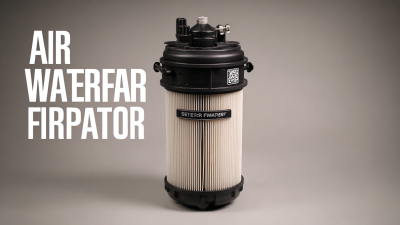
Key components of an air water separator filter include the separator element, a housing unit, and drainage mechanisms. The separator element is often constructed from materials that facilitate the efficient separation of water droplets from the air. Many filters utilize a coalescence technique, where smaller water droplets merge into larger ones for easier removal. The housing unit secures this element and offers structural integrity.
Moreover, effective drainage systems are essential for intermittent removal of accumulated water. Some filters come with automatic drains, while others require manual maintenance. Regular inspections reveal that many separators underperform due to clogging or faulty drainage. A study indicates that filters that are not routinely maintained can reduce system efficiency by up to 20%. Hence, understanding these components is vital to maximize the filter's functionality.
Air Water Separator Filter Performance Metrics
How Air Water Separator Filters Operate: Step-by-Step Process
Air water separator filters are critical in various industries. They prevent water contamination in compressed air systems. Understanding how these filters operate is essential for maintaining system efficiency.
The air water separator filter works by utilizing gravity to separate water from compressed air. When air enters the filter, it passes through a filtration element. This element captures water droplets and separates them from the air stream. The heavier water collects at the bottom. Periodically, it must drain to avoid a buildup. The process can improve air quality significantly, enhancing equipment lifespan and performance.
Tips: Regular maintenance is vital. Check the separator monthly for efficient operation. Clean or replace filters as needed. An optimal operating pressure of 90 PSI is recommended for many systems. This pressure can increase the efficiency of the separation process and reduce energy costs.
Continuous monitoring is necessary to identify potential issues. Any signs of excessive water in the air system can indicate a malfunctioning separator. Operators should be aware that inefficient filters may increase operational costs by up to 30%, according to industry studies. Implementing best practices can mitigate these risks and promote long-term reliability in operations.
Maintenance and Troubleshooting of Air Water Separator Filters
Air water separator filters play a crucial role in various industrial applications. These filters effectively remove moisture from air streams, ensuring the purity and efficiency of processes. However, proper maintenance is vital for optimal performance.
Regular inspections can prevent significant issues. Checking connections and seals monthly helps identify leaks early. A notable study found that 23% of air compressor efficiency loss is due to water contamination. This statistic underscores the importance of vigilance. Cleaning or replacing filter elements according to the manufacturer's recommendations can enhance filter longevity.
Troubleshooting can be challenging yet rewarding. If a filter is underperforming, it’s essential to assess the airflow and pressure. Low performance may indicate blockage or a need for cleaning. A proactive approach to maintenance can improve system reliability and save costs over time. Keeping detailed records of maintenance activities ensures that patterns can be identified, making future troubleshooting more effective. Regular attention to air water separator filters is essential for maintaining process integrity.