Top 10 Toolholder Collet Types for Precision Machining?
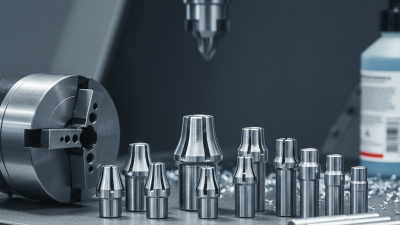
In the world of precision machining, choosing the right Toolholder Collet is crucial. With the industry projected to reach $150 billion by 2025, the demand for quality components like collets is on the rise. Toolholder collets are integral to achieving optimal performance in cutting and milling operations. The right collet can affect tool life and machining accuracy significantly.
Research shows that improper tool holder selection can lead to a 30% reduction in machining efficiency. Many machinists often overlook the importance of collet type selection. This oversight may result in increased production costs and compromised part quality. Various collet types, such as ER collets and 5C collets, have distinct advantages and applications.
However, not all collet types are created equal. Each has its strengths and weaknesses. A deeper understanding of these nuances is essential in a competitive market. As manufacturers strive for precision and reduced error margins, the role of Toolholder Collet cannot be understated. Improving knowledge in this area can lead to more informed decisions and enhanced machining success.
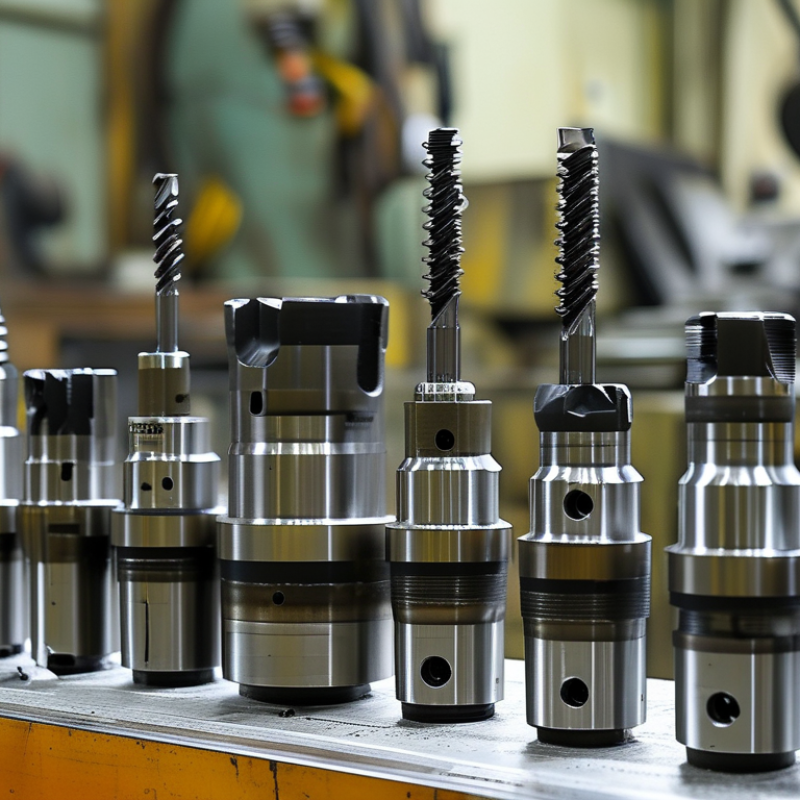
Top 10 Toolholder Collet Types for Precision Machining
In precision machining, selecting the right toolholder collet type is crucial for achieving desirable outcomes. Collets play a vital role in ensuring tools are held securely and with minimal runout. According to a recent industry report, toolholders can directly affect machining accuracy by up to 30%. This points to the significance of choosing the appropriate collet type, as they provide stability and precision during the machining process.
Common collet types include ER, TG, and DA variants. ER collets are widely recognized for their versatility and gripping power. They can secure tools ranging from 1 to 20 mm with a grip runout of less than 0.005 inches. TG collets, while excellent for high-torque applications, require consideration of wear and tear over time. This factor can influence long-term performance and may lead to quality discrepancies.
Moreover, it's essential to evaluate the material and design. Many collets are designed for high-speed operations but may compromise rigidity. Understanding your specific machining requirements and limitations is crucial. Collecting data on collet performance in your specific applications can enhance your decision-making and ultimately lead to improved machining results. Balancing these factors can be challenging, but it’s vital for precision machining.
Understanding Collet Types: An Overview of Precision Machining Tools
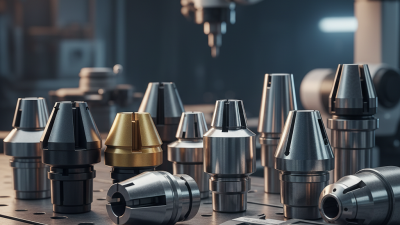
Collet types are essential in precision machining. They secure tools, ensuring accuracy in manufacturing. Various designs cater to different applications, from standard to specialized uses. Data shows that improper collet selection can reduce machining efficiency by as much as 25%. It's crucial to understand your collet options.
Common types include ER collets, known for versatility. They can grip various tool sizes. Another type, the TG collet, provides superior grip for larger tools. They prevent slippage during high-speed operations. However, many overlook the importance of material choice in collet construction. Different materials can impact performance and durability.
A recent report indicated that 30% of machining issues stem from collet-related problems. Many machinists don’t regularly inspect their collets for wear. This neglect leads to costly reworks. Understanding collet types improves machining precision and efficiency. It’s not just about picking a tool; it's about optimizing performance for better results.
The Role of Collet Design in Enhancing Tool Performance
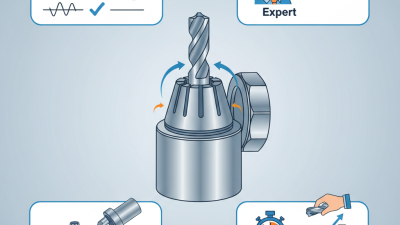
The design of collets plays a vital role in precision machining. Collets are critical for securely holding tools in place. A well-designed collet enhances grip and reduces vibration. This ensures smoother machining processes. The shape and material of collets can influence performance significantly. For example, a collet made from high-quality steel offers better durability.
Different collet types also cater to various machining needs. Some are designed for specific tool sizes or shapes. The right choice of collet impacts the overall accuracy of the machining process. It is essential to consider the collet's specifications, such as tolerance and clamping force. These factors can be a game-changer in high-precision jobs.
However, selecting the right collet is not always straightforward. Users often face confusion with available options. Misaligned expectations can lead to performance issues. Reflection on prior experiences can aid in making informed choices. Understanding how collet design affects tool performance is crucial for achieving optimal results in machining.
Top 10 Toolholder Collet Types for Precision Machining
| Collet Type |
Diameter Range (mm) |
Max RPM |
Precision Level |
Typical Applications |
| Eruo Collet |
1 - 20 |
20,000 |
0.005 mm |
Machining, Gripping |
| Hex Collet |
2 - 16 |
18,000 |
0.01 mm |
Drilling, Routing |
| R8 Collet |
1/8 - 1 |
15,000 |
0.02 mm |
Tool Holder in Mill Drills |
| ER Collet |
1 - 20 |
25,000 |
0.005 mm |
Precision Machining |
| TG Collet |
1 - 25 |
22,000 |
0.01 mm |
CNC Machining |
| P Collet |
0.5 - 10 |
30,000 |
0.005 mm |
Precision Grinding |
| S Collet |
1 - 15 |
20,000 |
0.02 mm |
Lathe Work |
| B Collet |
3 - 20 |
17,000 |
0.01 mm |
High-Speed Machining |
| C Collet |
2 - 10 |
35,000 |
0.005 mm |
Fine Precision Work |
| D Collet |
5 - 30 |
19,000 |
0.02 mm |
Tool Applications |
Industry Applications: Choosing the Right Collet for Specific Machining Tasks
Choosing the right collet for specific machining tasks is crucial in precision manufacturing. The type of collet impacts not only the accuracy but also the efficiency of the machining process. For example, ER collets are common in applications needing high precision and versatility. However, they are not the best choice for high-speed operations where heat buildup could diminish performance.
Another option is the 5C collet, favored in toolroom setups. These offer superior gripping power and are ideal for holding larger workpieces. Yet, they might not be suitable for intricate shapes. A study by the American Machining Institute revealed that using the correct collet increased production speed by up to 30% in various applications.
Not every collet fits every task. Regular assessments and adjustments are necessary to avoid inefficiencies. Failing to choose the right collet can lead to tool wear and inaccuracies. Understanding specific manufacturing needs allows for better collet selection. This careful consideration can lead to enhanced output and improved quality in machining operations.
Comparative Analysis: Collet Types by Grip Precision and Load Capacity
When selecting collet types for precision machining, grip precision and load capacity are critical factors. Reports indicate that collets like ER and TG series provide optimal grip precision. In various applications, ER collets achieve a runout of less than 0.0002 inches. This level of precision can significantly enhance tool life and finish quality.
Load capacity varies widely among collet types. For instance, hydraulic collets can handle higher torque loads and thus improve performance during heavy machining operations. In contrast, standard spring collets may struggle under such conditions, as their load capacity often caps at lower limits. This discrepancy is essential for machinists to consider when choosing the right toolholder for specific tasks.
Professional analyses often highlight the trade-offs. While some collet types offer superior precision, others excel in load handling but might sacrifice minimal runout. Machining applications vary, and having a one-size-fits-all approach can lead to inefficiencies. Understanding these nuances is crucial for achieving the best outcomes in precision machining operations.
Conclusion
The article "Top 10 Toolholder Collet Types for Precision Machining" delves into the essential roles toolholder collets play in enhancing machining precision. It begins with an overview of various collet types, highlighting their unique designs and functionalities that cater to diverse machining needs. The significance of collet design is explored, emphasizing how it can significantly impact tool performance and reliability in different applications.
Additionally, the article provides a comparative analysis of collet types based on grip precision and load capacity, guiding readers in selecting the optimal collet for specific tasks. It also discusses future trends in collet design, showcasing innovations that promise to enhance the efficiency and accuracy of precision machining. Collectively, these insights underline the critical importance of toolholder collets in achieving superior machining results in the industry.