China Top Dead Length Collets Manufacturers for Global Buyers
Choosing the right Dead Length Collets supplier can influence accuracy, production stability, and long-term tooling costs. For global buyers, China offers a broad manufacturing base with varied capabilities, price levels, and quality systems. However, a polished catalogue does not always prove reliable performance. Careful evaluation remains essential.
Experienced manufacturers usually explain collet materials, heat treatment, gripping ranges, taper specifications, and permissible runout. They can provide inspection records, sample measurements, and practical recommendations for different CNC spindle systems. Look for suppliers with documented quality procedures, responsive engineers, and consistent export experience. Details matter. A clean thread, accurate nose geometry, and secure protective packaging can prevent costly problems after delivery.
A useful comparison should also examine customization capacity, minimum order quantities, lead times, and replacement support. Ask whether the factory performs full dimensional inspection or only visual checks. Request clear tolerances instead of general promises. Independent testing may be worthwhile for demanding applications. Even a strong supplier can make an occasional mistake, especially when drawings or interface details are incomplete. That point deserves honest attention.
Global buyers should verify certificates, material data, sample results, and communication records before placing substantial orders. Video factory audits, third-party inspections, and trial purchases can add practical confidence. The best partnership is not always the cheapest option. It is the one that delivers repeatable accuracy, transparent documentation, and dependable technical support. This guide reviews China’s leading Dead Length Collets manufacturers through those practical criteria, while recognizing that supplier performance can change over time.
Understanding Dead Length Collets and Their Industrial Uses
China Top Dead Length Collets Manufacturers for Global Buyers
Understanding Dead Length Collets and Their Industrial Uses
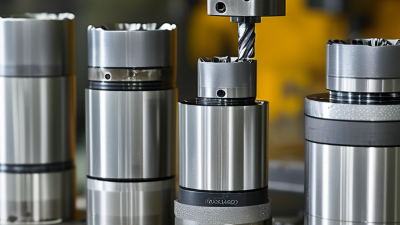
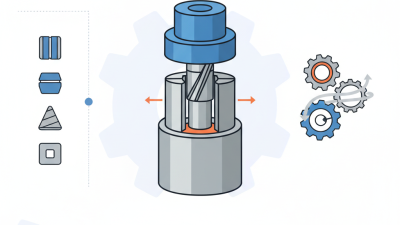
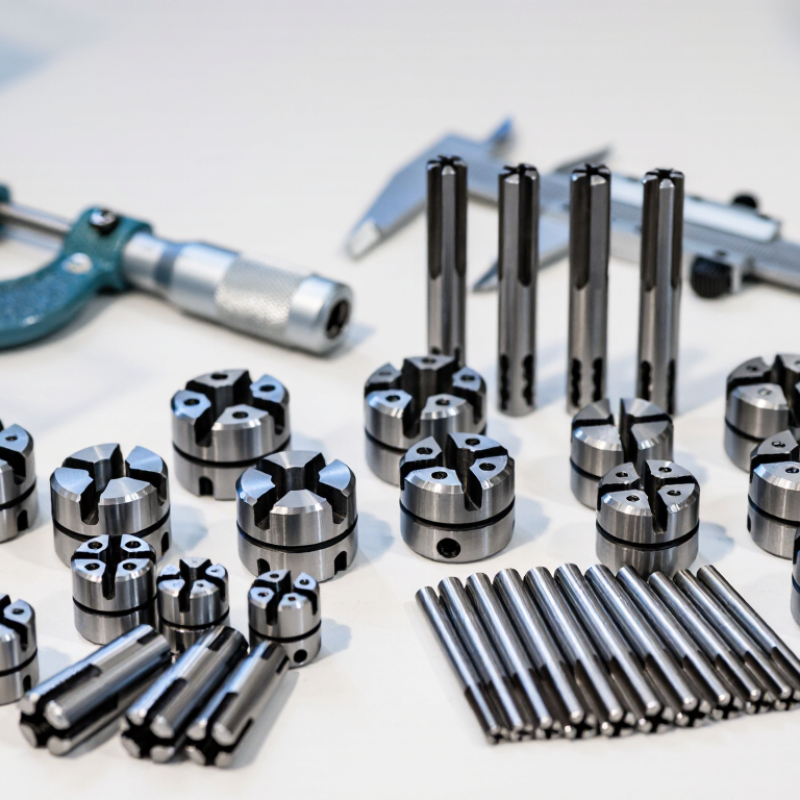
Dead length collets hold a workpiece against a fixed internal stop. The collet grips radially without pulling the material backward. This design helps maintain a consistent axial position during machining. It is useful for turning, threading, grooving, and repeated production work. A machinist can load each bar to the same stop, reducing setup variation. Small differences still matter. They may affect thread position, shoulder dimensions, or finished part length.
These collets are commonly used on CNC lathes, automatic turning machines, and precision secondary operations. Their value depends on more than gripping force. Buyers should check taper compatibility, collet size, runout, material hardness, and coolant conditions. Heat-treated steel can support demanding cycles, while accurately ground surfaces improve contact. Manufacturers serving global buyers should provide inspection data and clear dimensional drawings. However, specifications can be interpreted differently. Confirm the machine interface before ordering.
Tips:
Measure the actual spindle and workpiece first. Check the stop diameter and usable length. Ask for runout results at a stated measurement point. Test one sample before placing a larger order. Clean chips from the collet seat; tiny debris can change alignment. No setup is perfect. Operators should record loading force, tool wear, and part variation during production. This practical feedback often reveals problems that a catalog cannot show.
Key Factors for Evaluating Chinese Collet Manufacturers
China’s Top Dead-Length Collet Manufacturers for Global Buyers
Key Factors for Evaluating Chinese Collet Manufacturers
China’s manufacturing scale deserves attention. UNIDO’s International Yearbook of Industrial Statistics 2024 reports that China produced about 31% of global manufacturing value added in 2022. This capacity supports extensive machining supply chains. However, factory scale does not guarantee reliable dead-length collets.
Evaluate measured performance, not catalogue language. Ask for runout data at the working diameter, material certificates, hardness results, and inspection records. ISO 230-2:2014 provides a useful framework for assessing positioning accuracy and repeatability in machine tools. Collet suppliers should also explain their own test method, gauge condition, and sampling frequency. Numbers without test conditions are weak evidence.
Very important.
For precision turning, request actual radial runout limits, gripping-length consistency, surface finish, and heat-treatment stability. A practical audit should review several production batches, not one attractive sample. According to the 2024 Gardner Business Media World Machine Tool Survey, China remained the world’s largest machine-tool consumer, reflecting strong domestic demand for precision tooling. That demand can encourage process improvement, but export buyers still need traceability, packaging controls, and replacement support.
A supplier should identify steel grades and maintain batch records. Check whether thread dimensions, nose geometry, and back-stop accuracy are inspected separately. I would also ask for failure analysis from returned parts. Some factories may hesitate. That hesitation is information. Certificates can be genuine, yet outdated. A second-party inspection may cost more, but it can expose inconsistent hardness or hidden runout before shipment.
Key Factors for Evaluating Chinese Dead-Length Collet Manufacturers
This buyer-priority model emphasizes measurable manufacturing capabilities: dimensional accuracy and repeatability are critical for stable workholding, while material treatment, standard compatibility, inspection traceability, delivery capacity, and export support help reduce sourcing and production risk.
Leading China-Based Dead Length Collet Suppliers for Global Buyers
China-based dead length collet suppliers serve a growing precision-machining market. MarketsandMarkets estimates the global CNC machine market will rise from about USD 88 billion in 2023 to over USD 140 billion by 2029. This growth increases demand for stable workholding, especially in automated turning cells and high-volume bar processing.
Practical checks matter. Ask suppliers for runout data, material certificates, heat-treatment records, and inspection methods. A dead length collet should hold the workpiece axially, not merely grip it radially. Request test results at the intended speed and clamping force. ISO 15488 provides useful dimensional references for collet systems, but compliance claims still need verification.
Look closely at production evidence. Supplier audits should include CNC grinding, gauge control, batch traceability, and final inspection. China’s manufacturing scale can support competitive lead times and custom profiles, yet communication gaps may create avoidable errors. Confirm thread sizes, nose geometry, tolerance classes, and packaging before approval. Small details matter.
No catalog replaces testing. A sample may perform well, while a later batch shows variation. That is my concern. Global buyers should use first-article inspection and repeatability checks before signing volume orders. Suppliers that share raw inspection records, explain limitations, and accept corrective feedback are usually more reliable partners.
Comparing Materials, Precision, Customization, and Production Capacity
China Top Dead Length Collets Manufacturers for Global Buyers
Comparing Materials, Precision, Customization, and Production Capacity
Dead length collets demand stable materials and controlled heat treatment. Common choices include hardened tool steel, stainless steel, and carbide-supported designs. Each option affects wear resistance, grip stability, and corrosion performance. During supplier evaluations, I inspect surface finish, thread quality, and clamping consistency. A smooth bore should not show grinding marks or uneven polishing. Small flaws can leave visible patterns on precision parts.
Precision claims require measurable evidence. Reliable manufacturers should provide runout data, hardness records, inspection methods, and sample reports. For many machining applications, repeatable micron-level performance matters more than a single excellent test result. Check performance across several batches. One sample proves little. I have seen attractive prototypes fail after repeated loading. That weakness deserves honest discussion, not marketing language.
Customization may cover nose shape, thread dimensions, slot geometry, coating, and packaging. Clear drawings reduce production errors. Engineers should confirm tolerances before tooling begins. Production capacity also needs careful review. Ask about machine numbers, inspection equipment, monthly output, and backup processes. A large workshop is not automatically dependable. Overloaded schedules can delay urgent orders and weaken inspection discipline. Smaller factories may offer closer technical communication, but their capacity can be limited. Buyers should compare actual lead times, batch records, and corrective-action procedures before selecting a long-term manufacturing partner.
How to Select, Verify, and Import the Right Manufacturer
China Top Dead Length Collets Manufacturers for Global Buyers
How to Select, Verify, and Import the Right Manufacturer
Selecting a Chinese dead length collet manufacturer starts with the machining problem, not the lowest quotation. Define the spindle interface, collet size, workpiece material, gripping length, and required runout. A useful drawing should show tolerances, hardness, surface finish, and inspection points. Ask for measured data, not promises. Experienced buyers often find that vague specifications create expensive revisions later.
Verify the supplier through production evidence. Request recent inspection reports, calibration records, material certificates, and sample photographs with timestamps. A live factory call can reveal grinding equipment, cleaning practices, and storage conditions. Check whether the technical contact understands repeatability, distortion, and compatibility with your chuck or spindle. Order samples before approving volume production. Measure radial runout at the specified gauge length, then repeat the test after cycling the collet. This test matters.
For importing, confirm packaging, quantity, lead time, payment milestones, and the agreed delivery term in writing. Use a commercial invoice, packing list, and accurate product description for customs clearance. Ask who handles export documents and whether wooden packaging meets destination requirements. A pre-shipment inspection can catch incorrect thread forms or mixed sizes. Keep one approved sample as the reference part. Even careful purchasing has blind spots. A small pilot order may cost more per unit, but it exposes communication gaps early.