How to Choose the Right CNC Machine Collet for Your Needs
Selecting the appropriate CNC machine collet is essential for achieving precision in machining. According to John Smith, a renowned expert in CNC technology, “Choosing the right collet can elevate your machining results drastically." The collet is crucial in holding the cutting tool securely, ensuring stability during operations.
When deciding on a CNC machine collet, several factors come into play. Material, size, and design directly affect performance. For instance, steel collets are known for their durability. However, they may not always provide the grip needed for intricate operations. Consider the type of work you plan to undertake. It requires thoughtful evaluation of your specific needs.
Many users overlook the importance of collet types. Collet designs vary, and selecting the wrong one can compromise accuracy. Each job demands a tailored approach. Regular reflection on your tooling choices can lead to better outcomes. Understanding that precision is not just technical, but also a matter of choosing the right CNC machine collet is vital. This ensures not only efficiency but also enhances your machining capabilities.
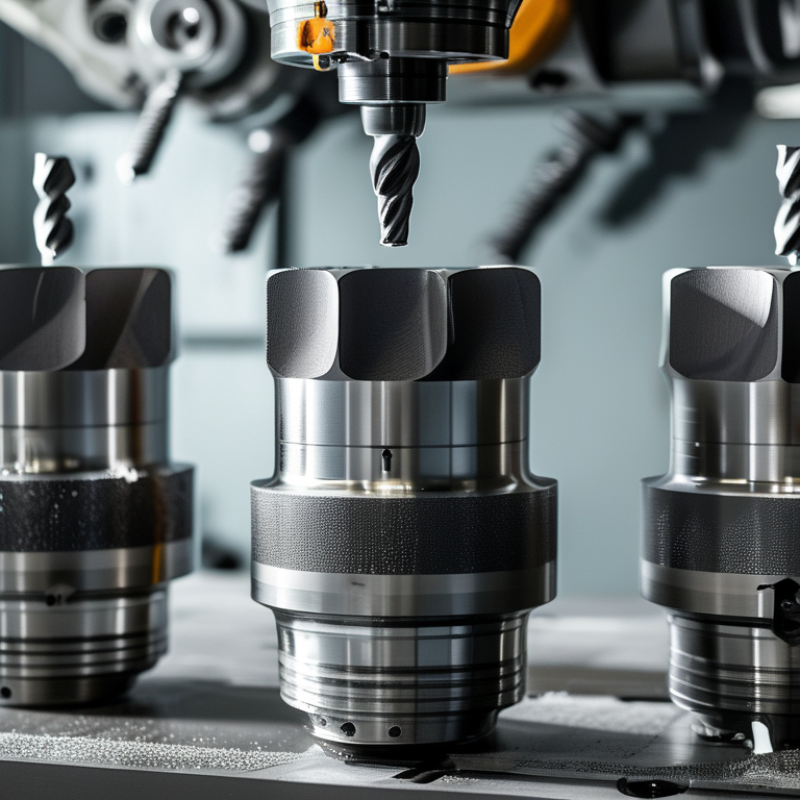
Understanding CNC Collets: Types and Functions
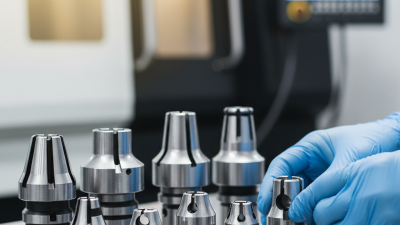
CNC collets are essential for securing cutting tools in machines. Understanding the various types can help you choose the right one. Each collet type serves specific functions, tailored to different applications. There are common options like ER, TG, and DW collets, each designed for unique holding requirements.
ER collets are versatile and widely used. They offer strong grip and can hold a range of tool sizes. TG collets excel in precision and are ideal for high-speed applications. Meanwhile, DW collets are known for their reliability in heavy cutting tasks. However, each type may have limitations. Choosing the wrong collet can lead to tool slippage or inaccurate machining.
Consider your machining needs carefully. Evaluate the type of materials you will work with and the cutting processes involved. Each collet has its strengths and weaknesses. Reflect on your specific requirements to make an informed choice. The right collet can significantly enhance performance and efficiency.
Factors to Consider When Selecting a CNC Collet
When selecting a CNC collet, several factors need consideration. The size and type of the collet play crucial roles.
Compatibility with your machine is essential. Ensure the collet fits the spindle precisely.
A poor fit can lead to vibration and reduced accuracy.
Material choice also matters. Different materials offer variable strength and durability. For instance,
steel collets are often stronger and provide better grip.
However, they may wear down faster than their counterparts. This trade-off must be evaluated based on your machining needs.
Tips: Always evaluate the specifications of the collet. Check the manufacturer's guidelines to avoid errors.
Consider purchasing a collet set for versatility. This often helps in adapting to different tasks without constant replacements.
Remember, selecting the wrong collet can impact project quality. Test your collet with multiple materials to understand its performance.
Compatibility: Matching Collets with Your CNC Machine
When selecting a collet for your CNC machine, compatibility is key. Different CNC machines have specific requirements. Not all collets will fit all machines. Understanding your CNC’s specifications is essential for optimal performance. A mismatch can lead to poor machining results, such as imprecise cuts or excessive wear on tools.
Tips: Always refer to your CNC machine’s manual. Manufacturers often provide detailed specifications, including collet sizes and types. This information can help avoid mistakes in selection.
Consider the material you will be machining. Different materials require different collet types. For example, working with harder materials might necessitate a collet that offers greater grip. Ensure any collet chosen can handle your intended workload without compromise.
Leave room for adjustment. Sometimes, collets might not seem perfect at first. They might need slight modifications or testing. Embrace the process of finding the right fit, and be ready to try a few options. This approach can lead to better results in the long run.
Material Choices: Impact on Performance and Durability
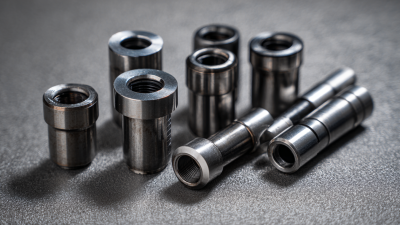
Choosing the right material for CNC machine collets is crucial. Collets made from steel, aluminum, or plastic each serve specific purposes and exhibit unique performance characteristics.
Steel collets are favored for their durability and strength. They can withstand high torque and extreme conditions, making them ideal for heavy-duty applications. Reports suggest that steel collets have a lifespan that exceeds 2,000 machining hours under typical use conditions, which is significantly longer than their aluminum counterparts.
Aluminum collets, while lighter, are less robust. However, they offer superior thermal conductivity. This can enhance tool life by preventing overheating during operations. Many experts argue that in high-speed applications, aluminum collets can provide precise tool holding with reduced vibration. Yet, they may not perform well under high-stress scenarios, presenting a trade-off for designers and operators.
Plastic collets are less common but can be beneficial in specific contexts. They are lightweight and cost-effective. However, their capacity for high-torque applications is limited. They can deform under pressure, impacting accuracy and durability. This inconsistency is noteworthy and should be weighed against the requirements of your machining tasks. Understanding these material properties ensures informed decisions, improving overall machining efficiency and effectiveness.
Maintaining Your CNC Collet for Optimal Performance
CNC collets are crucial for precision machining. To maintain their performance, regular checks are necessary. Inspect collets for wear and tear. Look for cracks or deformation. Even minor damage can affect accuracy. It’s essential to handle them with care. Dropping or mishandling can lead to significant issues.
Tips for maintaining CNC collets include cleaning them after each use. Use a soft brush or cloth to remove debris. Avoid using harsh chemicals as they may damage the collet material. Lubrication is also important. Apply a light coat of oil periodically to prevent rust.
Storing collets properly enhances their lifespan. A designated space prevents damage. Consider organizing them by size and type. This helps in quick access. Being diligent about these details can improve productivity. Regular maintenance reflects good practice. Prioritize consistency for optimal functioning.
Choosing the Right CNC Machine Collet and Maintenance Tips
This bar chart illustrates the usage frequency of various types of CNC collets. ER collets are the most commonly used, followed by gadget collets, while capto and HSK collets have less frequent usage. Understanding these different types can help you select the right collet for your CNC operations and maintain optimal performance.