What is a Cnc Lathe Collet and How Does It Work?
When it comes to precision machining, understanding the role of a Cnc Lathe Collet is crucial. Renowned expert in CNC technology, Dr. Emily Carter, emphasizes, "The Cnc Lathe Collet is the backbone of efficient and accurate machining." Collets are essential for holding cylindrical workpieces securely while they are being turned. They ensure minimal runout, which is vital for achieving tight tolerances.
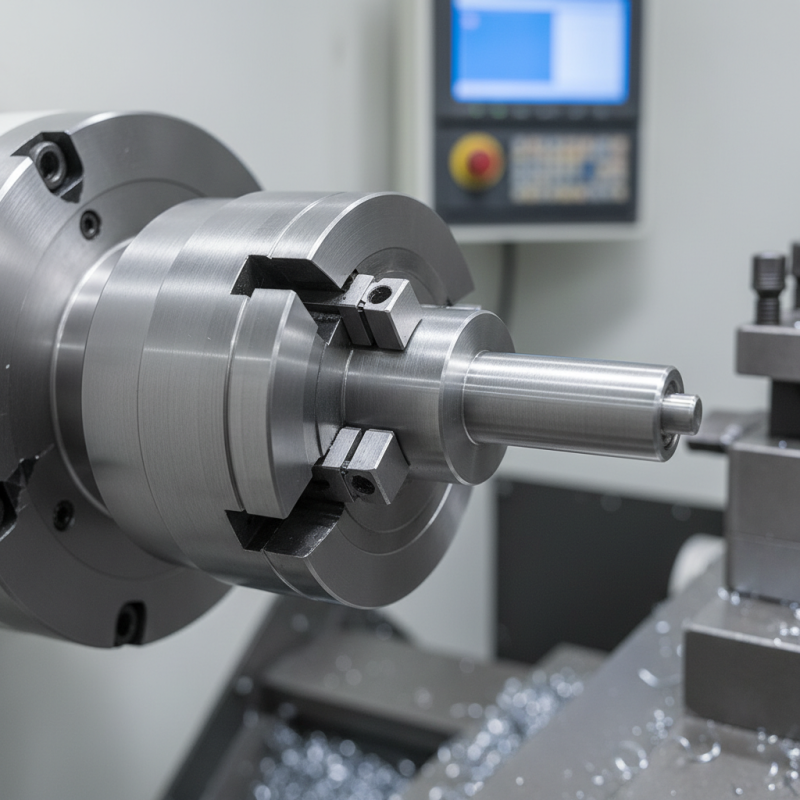
A Cnc Lathe Collet operates by compressing around the workpiece when tightened. This design allows for quick changes between different sizes, making it a versatile tool in manufacturing. Most collets come in various sizes to accommodate different diameters, showing that not all collets are created equal. Their effectiveness lies in how well they grip and reduce vibrations during operation.
However, not all applications benefit equally from a Cnc Lathe Collet. Some users may overlook their limitations. For instance, improper sizing or wear can lead to inaccuracies. Understanding when to use a collet is as important as knowing how it works, highlighting the need for continual learning in this industry. Consider these factors when evaluating your lathe setup.
What is a CNC Lathe Collet?
A CNC lathe collet is a crucial component in the machining process. It is designed to hold cylindrical workpieces tightly and accurately during the turning operation. Made from durable materials, collets provide enhanced grip and stability. They are often preferable to traditional chucks due to their superior accuracy and reduced runout, which is essential for precision manufacturing.
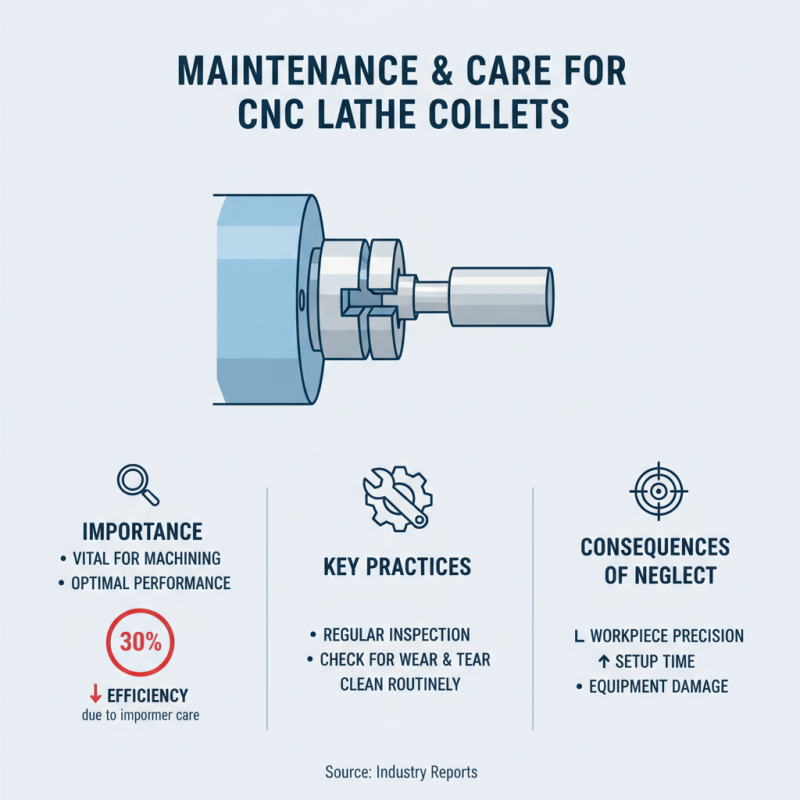
Collets come in various sizes and designs to accommodate different diameters and shapes of materials. For instance, according to a recent industry report, collets can improve machining efficiency by as much as 30%. This efficiency gain is particularly valuable in high-volume production environments. The design of a collet allows it to grip the workpiece from multiple angles, providing a firm hold without distorting the material.
However, not all applications suit collet use. Some may find limitations when dealing with very large or irregularly shaped components. There can also be challenges in maintaining precise alignment during setup. Thus, users must assess the specific needs of their project before selecting a collet. Understanding those variables can significantly impact machining performance.
The Different Types of CNC Lathe Collets
CNC lathe collets play a crucial role in machining. These devices securely hold the workpiece as it rotates. The design of collets allows for minimal runout, ensuring precision during the machining process. Choosing the right type of collet can be a challenge, given the variety available.
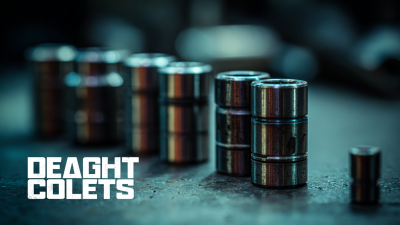
There are several types of CNC lathe collets to consider. The ER collet is popular due to its versatility and ease of use. It accommodates various shank sizes while maintaining a tight grip. Another option is the 5C collet, known for its robust design and stability. It is often used for bar work and round pieces. It's essential to evaluate your machining needs when selecting a collet type.
However, not all collets are equally suited for every application. Users may face issues like wear over time, affecting performance. A collet that fails to grip properly can lead to inaccuracies. Reflecting on past experiences with collets can provide insights for future selections. Understanding these differences can lead to better machining outcomes.
What is a Cnc Lathe Collet and How Does It Work? - The Different Types of CNC Lathe Collets
| Collet Type |
Description |
Applications |
Material |
| Standard Collet |
Used for holding cylindrical workpieces with various diameters. |
Milling, turning, and drilling operations. |
Steel, aluminum. |
| Hex Collet |
Designed for hexagonal shank tools, providing better grip and precision. |
Hex shank drills and milling cutters. |
Steel, high-strength materials. |
| Metric Collet |
Used for holding tools with metric sizing standards. |
CNC machining centers, lathes. |
Tool steel, carbide. |
| Precision Collet |
Offers higher accuracy for precision machining tasks. |
High-precision milling and turning applications. |
High-carbon steel, precision alloys. |
| ER Collet |
Versatile collet system that can hold various tool sizes easily. |
Tool holding in CNC lathes and milling machines. |
Spring steel, aluminum. |
How CNC Lathe Collets Function in Precision Machining
CNC lathe collets are crucial in precision machining. They hold workpieces firmly, ensuring accuracy during the cutting process. The design allows for minimal run-out, which is essential for high-quality finishes. A collet is usually made from hardened steel, providing strength and durability. This material choice helps resist wear, leading to lengthy service life.
The function of CNC lathe collets is both straightforward and complex. They grip the workpiece with uniform pressure when the lathe spins. This reduces vibration and movement during operation. However, collets can wear over time, which may affect performance. Regular inspection is vital to ensure they operate efficiently. Users often overlook small cracks or deformations, leading to precision loss.
Choosing the right collet type and size is also significant. The wrong fit can result in poor machining quality. It's essential to match the collet with the specific material being worked on. Not all collets perform equally well under the same conditions. Learning from mistakes in collet selection can enhance future machining processes. Precision relies on attention to these details.
Advantages of Using Collets in CNC Lathe Operations
Collets have become a popular choice in CNC lathe operations due to their precision and versatility. According to a recent industry report, utilizing collets can increase machining accuracy by up to 30%. This improvement arises from the enhanced grip that collets provide, reducing the risk of workpiece slippage during high-speed machining. By ensuring a tight hold, collets help maintain the desired tolerances crucial for precision engineering.
Another significant advantage is the rapid changeover time. Studies indicate that using collets can reduce setup time by 40% compared to traditional chuck systems. This is especially beneficial in environments where different workpieces are frequently processed. Quick tool changes allow for greater flexibility in production runs, ultimately leading to lower costs and higher productivity. However, it’s worth noting that improper handling can lead to wear and tear on collets, affecting their performance over time. It’s essential to regularly inspect and maintain these components for optimal results. Each production scenario may present its challenges, and adapting to these is crucial for success.
CNC Lathe Collet Usage and Advantages