Why Choose the Right Toolholder Collet for Your Needs?
Choosing the right Toolholder Collet is crucial for enhancing machining efficiency and accuracy. According to industry expert John Markson, "The correct collet can make or break your precision work." His experience in the field highlights the importance of selecting the appropriate toolholder collet for specific needs.
Each type of toolholder collet serves a purpose, impacting the overall performance of the machine. Whether for milling, drilling, or turning operations, the right collet ensures better grip and reduces tool runout. For instance, precision collets can help achieve tighter tolerances, which is essential in high-stakes manufacturing.
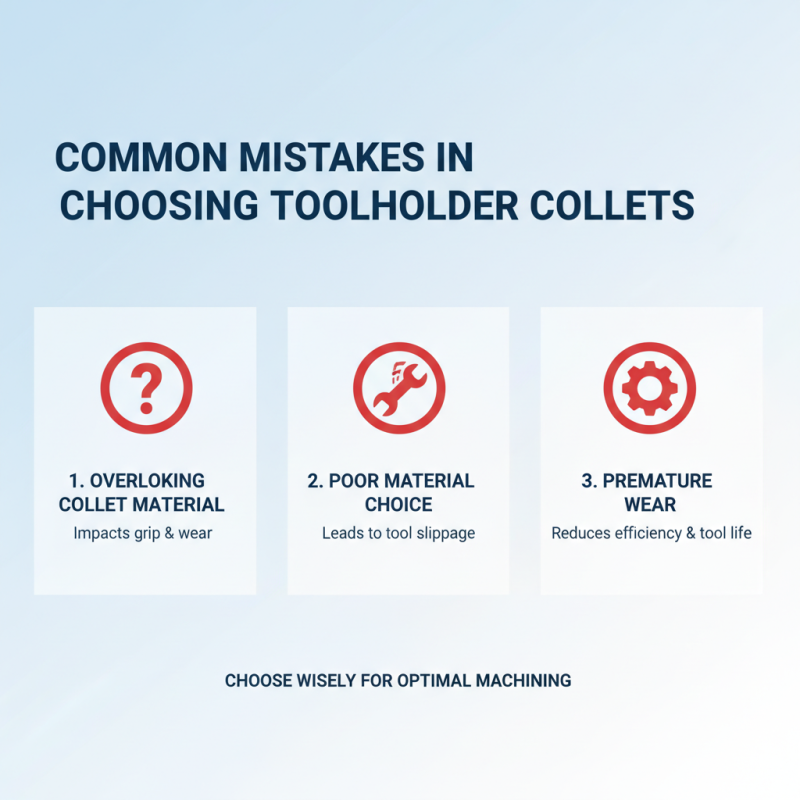
However, understanding the nuances of various collet types can be daunting. Many users overlook how critical it is to align the collet's specifications with their project requirements. This misstep can lead to inefficiencies and wasted resources. With careful consideration, selecting the right Toolholder Collet can provide significant improvements in both quality and output.
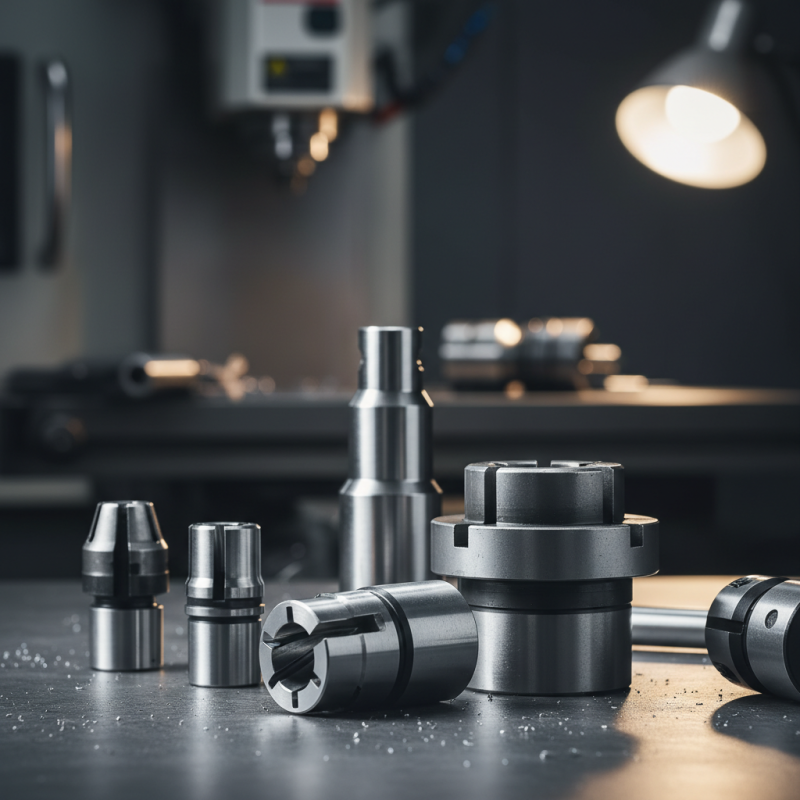
Understanding Toolholder Collets: Types and Functions
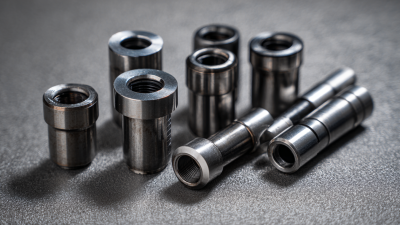
Toolholder collets play a crucial role in securing tools during machining processes. They come in various types, each designed to meet specific needs. For instance, ER collets are popular for their versatility, accommodating a wide range of tool shank sizes. According to industry reports, up to 70% of machining operations utilize these collets due to their reliability and precision.
Other options include DA collets, which are ideal for high-speed applications. They provide excellent grip and reduce tool runout, which can enhance surface finish. However, improper selection can lead to decreased efficiency. A study highlighted that improper toolholder choice can reduce machining accuracy by 15%. This underscores the need for thorough understanding before purchasing.
Take time to evaluate the type of work you intend to perform. Assess factors like material type and machining speed. Each collet has specific advantages and limitations. For example, while some collets may handle heavy loads effectively, they might struggle with smaller, precision tasks. Balancing these aspects ensures optimal workflow and product quality in your machining operations.
Factors to Consider When Selecting a Toolholder Collet
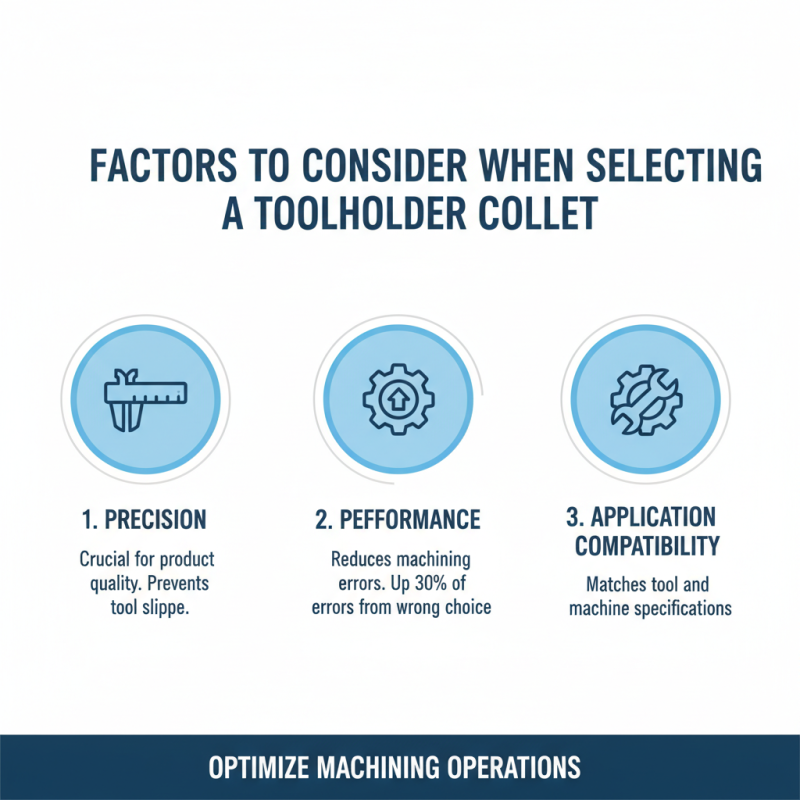
Choosing the right toolholder collet is vital for any machining operation. Various factors impact the selection process. Precision is paramount. A poorly chosen collet can lead to tool slippage, affecting product quality. Research indicates that up to 30% of machining errors come from improper toolholder choices.
Material is another critical factor. Different materials offer different strengths and thermal resistances. For instance, steel collets may provide excellent durability but can weigh more. Aluminum collets are lighter, promoting faster spindle speeds but may not handle heavy loads as effectively. The choice depends on the specific application and requirements.
Size and compatibility matter too. The collet must fit the tool and the spindle properly. Misalignment can cause vibration, leading to damage or premature wear. Industry data suggests that incorrect sizing increases maintenance costs by 25%. Hence, meticulous attention to detail in selecting collets is essential for long-lasting performance.
Advantages of Using the Right Collet for Your Applications
Choosing the right collet for your toolholder is crucial for optimal performance. A suitable collet ensures precise grip, enhancing machining accuracy. According to recent industry studies, using the right collet can improve tool life by up to 30%. This is significant in competitive machining environments where every detail matters.
Utilizing the appropriate collet can also reduce setup time. Data shows that mismatched toolholders can lead to a 15% increase in downtime due to frequent adjustments. This not only affects production schedules but also impacts overall cost efficiency. The right collet aligns with your specific application needs, ensuring smooth operations and better stability.
Yet, many facilities overlook this important detail. They stick to generic options without considering specific requirements. This can result in less efficient machining, leading to longer production times. Reflecting on past choices might reveal missed opportunities for optimization. Embracing the right tooling can save both time and resources in the long run.
Advantages of Using the Right Toolholder Collet for Your Applications
This bar chart illustrates the key advantages of using the right toolholder collet for your applications, with ratings on a scale from 1 to 10. The benefits include accuracy, stability, tool life, vibration management, and cost efficiency. Choosing the appropriate collet can significantly enhance your machining performance.
Maintaining Your Collet for Optimal Performance
Maintaining your collet is crucial for optimal performance in machining. A well-maintained collet can enhance precision and extend tool life. Regular inspection is necessary. Look for wear and tear that can impact functionality. Clean the collet after each use. This prevents debris buildup, which may hinder performance.
Here are some tips for effective maintenance:
- Use a soft cloth to wipe the collet.
- Avoid harsh chemicals that can damage materials.
- Check the clamping surface for any damage or flaws.
- Replace any worn-out collets immediately. This small step can save you from larger problems later.
Lastly, ensure proper storage of your collets. Store them in a dry, clean area to prevent rust and corrosion. Organizing your tools properly will improve your workflow. Remember, even minor imperfections in maintenance can lead to bigger issues in machining precision. Stay vigilant and proactive about your equipment.