Leave Your Message

How to Choose Tapping Machine Collets for Global Sourcing?

Global sourcing makes Tapping Machine Collets a precision decision, not a catalog exercise. A collet may look interchangeable, yet small differences in shank diameter, gripping length, or thread direction can create costly failures. Grand View Research’s Machine Tools Market report estimated the global market at approximately USD 77.56 billion in 2023, with continued growth expected through 2030. This expansion increases supplier choice, but it also increases specification risk.

The correct collet should match the tapping machine, tap shank standard, torque demand, and operating speed. ISO 15488 and DIN 371 or DIN 376 dimensions can help confirm compatibility, while ISO 230-1 principles support machine accuracy checks. In sourcing reviews, engineers should request material certificates, hardness data, runout results, and documented inspection methods. A practical test is simple: measure the collet and tap under clean, controlled conditions, then inspect the finished thread with a calibrated gauge. Look closely. A faint spiral mark may reveal poor clamping.

Industry research from MarketsandMarkets identifies automation and advanced manufacturing as major drivers of machine-tool demand. That trend makes repeatability increasingly important. Suppliers should therefore explain batch control, replacement availability, and quality-system certification, such as ISO 9001. Price still matters. It should not lead the decision. A cheaper collet can produce tool slippage, damaged taps, rejected components, and unexpected downtime. Some sourcing teams rely too heavily on certificates alone. That assumption is imperfect. Real performance also depends on machine alignment, lubrication, operator setup, and maintenance. The strongest global sourcing process combines documented evidence with a controlled sample trial before full-volume purchasing.
How to Choose Tapping Machine Collets for Global Sourcing?

Understanding Tapping Machine Collet Types and Their Functions

How to Choose Tapping Machine Collets for Global Sourcing?

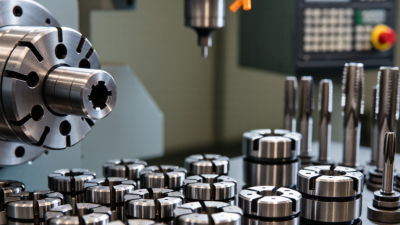
Tapping machine collets hold the tap, transmit torque, and support accurate thread production. Their design directly affects tool life, thread quality, and operator safety. Common types include spring collets, quick-change collets, and tension-compression collets. Spring collets grip the shank firmly and suit stable tapping conditions. Quick-change collets reduce tool replacement time on repetitive production lines. Tension-compression collets allow limited axial movement when feed and spindle speed are not perfectly matched.

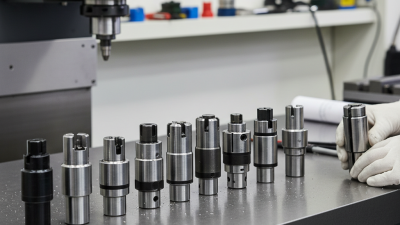
Small details matter. Check the tap shank diameter, square-drive size, gripping range, and machine connection. A collet should match the tap closely, not merely fit inside its stated range. Excessive clearance can create vibration, chipped threads, or uneven torque transfer. For blind holes, a torque-limiting or safety clutch function may help prevent tap breakage. It is not always necessary, though.

Global sourcing adds another layer. Confirm dimensional standards, material hardness, heat treatment, surface finish, and inspection records before ordering. Ask for runout data and functional testing results, especially for precision tapping. Packaging also deserves attention; damaged gripping surfaces can appear after long transport. A specification sheet may look complete while hiding tolerance gaps. I would request sample testing with the actual tap sizes and workpiece material. That step costs time. It can prevent an expensive production mistake. Some selections still require adjustment after real cutting trials.
Matching Collet Specifications to Tapping Machine Requirements

How to Choose Tapping Machine Collets for Global Sourcing?

Matching Collet Specifications to Tapping Machine Requirements

Selecting a tapping collet starts with the machine, not the supplier catalogue. Confirm the machine’s spindle interface, tapping range, torque capacity, and synchronization method. A collet designed for rigid tapping may perform poorly on a floating holder. Small mismatches create large defects.

Measure the tap shank precisely. Check diameter, square size, tolerance, and required clamping length. The collet must grip firmly without marking the tool. For example, a 6 mm shank needs a compatible bore, not merely a similar nominal size. Review runout data as well. A practical target is often below 0.01 mm, although the machine and tap tolerance may change that requirement. Coolant-through compatibility also matters in deep-hole work.

Global sourcing adds another technical layer. Request inspection records, material certificates, hardness data, and dimensional reports. Ask whether specifications follow recognized standards, such as ISO or DIN requirements. The 2024 World Robotics report recorded 541,302 industrial robot installations in 2023, showing how strongly modern factories depend on repeatable automated processes. Collet stability directly supports that repeatability. It is not the only factor, however. Tool life, spindle alignment, and operator setup still matter.

Do not compare prices alone. Compare measured performance. A supplier may list excellent accuracy, but the testing method remains unclear. That is a warning. Require sample inspection before larger orders. My experience suggests this step prevents many avoidable disputes, though it can slow purchasing slightly. That trade-off is often worthwhile.

How to Choose Tapping Machine Collets for Global Sourcing?

Matching Collet Specifications to Tapping Machine Requirements

1. Match the tap shank

Select a collet whose nominal clamping range covers the actual tap shank diameter. The chart shows common ER-series nominal ranges in millimetres.

2. Check the machine interface

Confirm holder type, taper, collet nut, gauge length, maximum speed, and machine-side torque capacity before ordering.

3. Verify tapping compatibility

Tapping applications may require a square-drive feature and axial compensation. ER diameter coverage alone does not confirm tapping performance.

Reference basis: common nominal ER collet clamping envelopes used in ISO 15488 / DIN 6499-style systems. Actual ranges and allowable tolerances can vary by collet design, so supplier drawings should be checked before global sourcing.

Evaluating Thread Size, Tap Shank, and Workpiece Compatibility

Choosing tapping machine collets starts with the thread, not the catalog photo. Match the collet range to the tap’s actual thread size and pitch. A mismatch can cause slipping, poor alignment, or broken cutting edges. Check whether the tap is metric, unified, or another specified system. Confirm pitch with a thread gauge before ordering. Small details matter here. In my experience, purchasing teams often record only diameter. That is not enough. Include tolerance, tapping depth, and required torque in the specification.

Tap shank geometry is equally important. Measure the shank diameter, square drive, and usable length. The collet must grip the shank firmly without marking its surface. A machine using rigid tapping may require a different holding arrangement than a floating setup. Review spindle capacity, coolant access, and the collet’s retention method. A long shank may reach a deep hole, yet it can increase vibration. I once treated reach as the main priority. The finish was acceptable, but tool life was disappointing. That choice deserved more testing.

Tips: Request a dimensional drawing and inspection report from the supplier. Test one collet with the intended tap and workpiece material. Compare runout, grip, and thread quality under real production conditions. Steel, aluminum, and cast materials behave differently during tapping. Harder workpieces demand stable holding and accurate torque transfer. Also check cleaning access, replacement availability, and packaging protection for overseas transport. Do not rely on a universal claim. Compatibility should be demonstrated, not assumed.

Comparing Collet Materials, Accuracy, Durability, and Cost

Choosing tapping machine collets for global sourcing requires more than comparing catalog prices. In production audits, I have seen small collet differences create oversized threads, tool slipping, and unplanned downtime. Material selection often sets the baseline. Hardened steel handles repeated clamping and higher loads. Carbide-tipped contact areas can resist wear, but they usually raise purchase and replacement costs. Coated tool steel may offer a practical middle ground for moderate workloads.

Accuracy should be measured at the working diameter, not only in a supplier’s headline specification. Ask for runout data, inspection methods, tolerance ranges, and test conditions. A collet showing 0.005 mm runout in one report may perform differently after cleaning, heat, or repeated tightening. That detail is easy to miss. For demanding tapping, stable concentricity protects thread quality and reduces tap breakage. For occasional work, extreme precision may not repay its cost.

Durability depends on spring recovery, surface finish, coolant exposure, and operator habits. Request sample testing with your actual tap sizes and materials. Compare operating cycles before noticeable grip loss. Freight, spare inventory, inspection tools, and replacement lead time belong in the cost calculation. The cheapest quotation can become expensive when one missing collet stops a production cell. Still, premium construction is not automatically better. I would document failure risks, test a smaller batch, and revise the specification when shop-floor evidence disagrees with the original assumption.

How to Choose Tapping Machine Collets for Global Sourcing? - Comparing Collet Materials, Accuracy, Durability, and Cost
Collet Material / Construction Typical Tapping Applications Typical Runout at the Collet Nose Accuracy and Repeatability Durability Corrosion Resistance Relative Cost Main Advantages Key Sourcing Checks
Hardened alloy spring steel General-purpose tapping in carbon steel, stainless steel, aluminum, brass, and cast iron Typically 0.015–0.030 mm when manufactured and used under controlled conditions Good; suitable for standard CNC and tapping-machine work High Low to moderate unless protected with plating or corrosion-resistant treatment Low to medium Strong elastic recovery, broad availability, good balance of gripping force and service life Verify steel grade, heat-treatment hardness, slot geometry, surface finish, and fatigue-testing method
Premium hardened tool steel High-volume production, harder workpieces, and applications requiring consistent clamping force Typically 0.010–0.020 mm with accurate holder and clean mating surfaces Very good; better resistance to permanent deformation and dimensional drift Very high Low unless coated, plated, or supplied with rust-preventive protection Medium to high High wear resistance, stable dimensions, and reliable performance over repeated tool changes Request hardness range, dimensional inspection records, fatigue results, and coating adhesion data
Nitrided alloy steel Production tapping where surface wear, fretting, and repeated loading are concerns Typically 0.010–0.020 mm, depending on grinding and final inspection Very good; hard surface improves wear stability while the core retains toughness Very high Moderate; generally better than untreated steel but not equivalent to stainless steel Medium to high Improved surface hardness, lower adhesive wear, and good resistance to repeated clamping cycles Check nitriding depth, case hardness, distortion control, grinding allowance, and post-treatment runout
Stainless spring steel Humid workshops, water-soluble coolant environments, and applications where rust contamination must be minimized Typically 0.020–0.040 mm; exact performance depends strongly on heat treatment Good; may be slightly less wear-resistant than premium tool steel in severe production use Medium to high High compared with untreated carbon and alloy steels Medium to high Better resistance to moisture and coolant-related corrosion, reducing maintenance and staining Confirm spring properties, heat-treatment condition, magnetic behavior if relevant, and chloride resistance
Sealed tapping collet with elastomer elements Tapping with coolant-through or splash-coolant requirements where chip and coolant ingress must be controlled Typically 0.020–0.050 mm, depending on the sealing design and tool shank condition Good for standard tapping; sealing components can influence axial and radial consistency Medium Metal parts may resist corrosion well, but elastomers require compatibility with the coolant Medium to high Improved coolant control, reduced contamination, and cleaner tapping operations Check seal material, temperature range, coolant compatibility, replacement-part availability, and pressure rating
Torque-compensating tapping collet Rigid tapping or machines with limited synchronization between spindle rotation and feed Typically 0.020–0.050 mm, depending on the internal compensation mechanism Good; compensation helps reduce tap breakage but adds moving components and adjustment variables Medium to high Moderate; depends on internal spring, sliding, and sealing components High Absorbs minor feed or pitch errors and can reduce axial loading on the tap Evaluate compensation range, allowable torque, spring replacement procedure, maintenance interval, and balancing grade
Carbide-tipped or carbide-contact design Specialized high-wear applications, abrasive materials, or locations requiring very low contact wear Typically 0.010–0.020 mm when correctly ground and matched to the holder Very high initially; brittle contact areas require careful handling and clean tool shanks Very high against abrasive wear; lower tolerance to impact and misalignment High for carbide surfaces; supporting steel components still require protection High Excellent wear resistance and long dimensional stability in suitable applications Check carbide grade, brazing or retention quality, edge integrity, impact resistance, and replacement cost

Note: Runout values are typical procurement benchmarks for properly manufactured collets used with clean, compatible holders and correctly sized tap shanks. Actual results vary with holder accuracy, machine condition, tap geometry, clamping force, coolant, and measurement method. Relative cost is an indicative comparison and may change with material grade, heat treatment, sealing, tolerances, order quantity, and inspection requirements.

Selecting Reliable Suppliers for Global Tapping Collet Sourcing

Choosing a reliable supplier is often more important than choosing the cheapest tapping machine collet. A collet must match the machine interface, tap size, clamping range, and required accuracy. Ask suppliers for drawings, material specifications, hardness data, and inspection records. Vague answers are warning signs.

Request production samples before placing a large global order. Test thread quality, concentricity, grip stability, and wear after repeated cycles. A supplier with real engineering experience should explain how heat treatment and grinding affect performance. They should also identify possible limitations instead of promising perfect results.

Check whether the supplier uses calibrated measuring equipment and records batch numbers. Traceability matters when several shipments cross borders. Review packaging methods, export documents, lead times, and replacement procedures. Clear communication prevents small dimensional issues from becoming expensive delays. Keep written approval for every drawing revision.

Price deserves attention, but it should not control the decision. I once saw a low quotation exclude inspection and protective packaging. The final cost was higher. That experience still influences my supplier reviews. Even a capable manufacturer may have inconsistent subcontracting, so ask who performs coating, heat treatment, and final inspection. Supplier selection is not flawless. Recheck assumptions before committing.