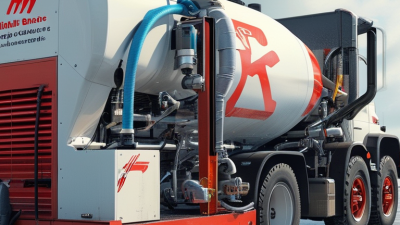
A Compressed Air Cleaner is a filtration device that removes contaminants from compressed air before it reaches tools, machinery, or sensitive processes. Those contaminants may include dust, water droplets, oil aerosols, and rust particles carried through pipes. The exact design varies: a workshop filter may use one or two stages, while demanding applications often need a dryer and several filters. Clean air matters. Even a small amount of moisture can cause corrosion, damage pneumatic tools, or leave marks on a finished surface.
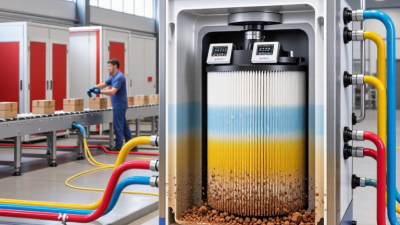
The cleaning process starts as compressed air enters a filter housing. A coarse element catches larger particles; finer media then trap smaller solids and oil droplets. Many units also include a drain that releases collected condensate, either manually or automatically. In systems requiring lower moisture levels, a refrigerated or desiccant dryer removes water vapor after cooling or adsorption. A pressure gauge can help users spot rising resistance, which may signal a clogged filter. These parts work together, but they do not all do the same job.
Choosing a Compressed Air Cleaner means matching its flow rating and filtration level to the compressor and the equipment downstream. Check the manufacturer’s pressure limits, replace elements on schedule, and drain condensate as directed. A filter cannot fix every problem. Poorly sized equipment, leaking lines, or neglected maintenance may still lead to dirty air. And the air can look clear while carrying invisible oil or moisture. That detail is easy to miss. Reliable results come from checking the system, not trusting appearance alone.
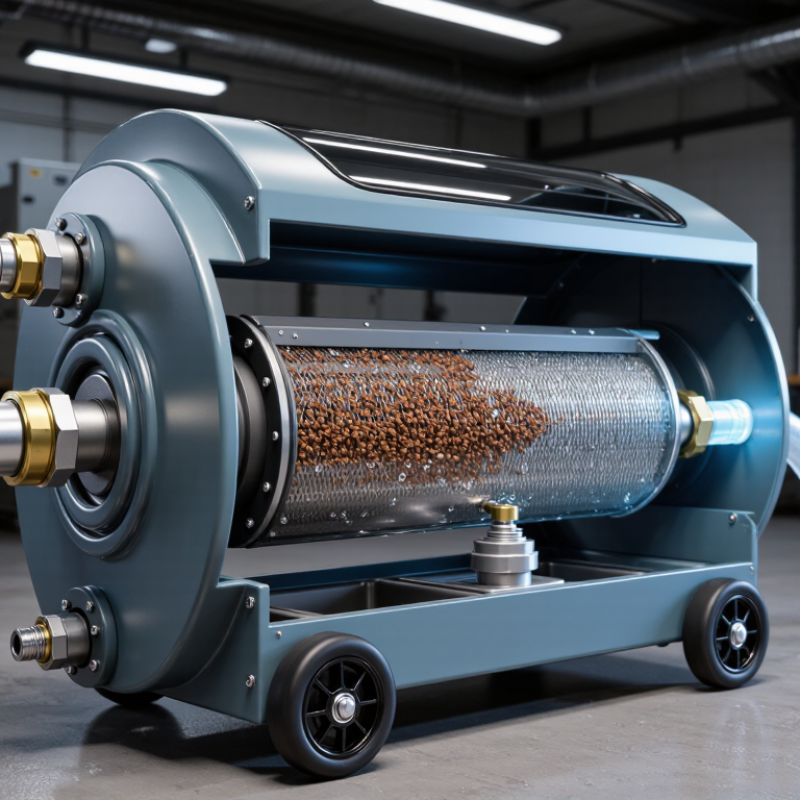
A compressed air cleaner is a treatment device that removes contaminants from compressed air before it reaches tools, machinery, or a process. It may combine a water separator with filters that capture solid particles and oil aerosols. A dryer is often installed alongside these components because filters alone do not remove water vapor. The exact setup depends on the air quality a task requires. A spray nozzle and a sensitive instrument do not need the same air.
The purpose is practical: cleaner air can reduce corrosion, blocked valves, product contamination, and premature wear. ISO 8573-1 classifies compressed-air purity by particles, water, and oil, giving users a technical reference for choosing treatment. The U.S. Department of Energy’s Improving Compressed Air System Performance guide notes that compressed air can account for 10% of industrial electricity use, and up to 30% in some facilities. A clogged filter can add pressure drop, so maintenance matters too. That detail is easy to miss. Cleaners also need correct sizing and regular checks; installing one does not guarantee clean air at every outlet. A little humility helps here: test air quality where it is actually used.
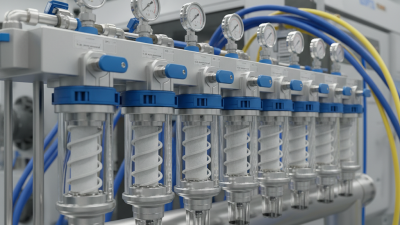
A compressed air cleaner is a treatment assembly that removes liquid water, oil aerosols, and solid particles before air reaches tools or production equipment. Its exact layout depends on the compressor and the required air quality. The U.S. Department of Energy’s Improving Compressed Air System Performance sourcebook notes that compressed air can consume about 10% of industrial electricity. That makes efficient treatment important: poorly chosen filters can add pressure loss and increase compressor workload.
A moisture separator uses centrifugal force or a baffle to knock liquid droplets from the airflow. A coalescing filter captures fine oil and water aerosols, while a particulate filter traps rust, scale, and dust. A dryer then reduces water vapor; refrigerated models cool the air, while desiccant models adsorb moisture. Small parts matter. Automatic drains remove collected liquid, and pressure gauges help operators spot rising resistance across a filter. A clogged element can quietly restrict flow.
ISO 8573-1 classifies compressed-air purity by particles, water, and oil, giving users a practical way to specify treatment needs. A final regulator sets downstream pressure, but it does not clean the air. Filter ratings and dryer performance should match the application, not just the compressor outlet. One detail is easy to overlook: a clean filter cannot compensate for a leaking drain or contaminated pipework. The right arrangement still needs inspection, and pressure readings alone may not reveal every contamination problem.
| Component or Stage | Main Function | How It Works | What to Check |
|---|---|---|---|
| Filter housing | Contains the filter element and directs compressed air through the unit. | The sealed housing provides an inlet and outlet path while preventing untreated air from bypassing the element. | Check for leaks, corrosion, damaged seals, and pressure ratings suitable for the system. |
| Particulate filter element | Captures solid particles such as dust, rust, and scale. | Air passes through porous media that retain particles. The element’s rating and efficiency depend on its design. | Replace according to the manufacturer’s instructions or when pressure drop or contamination indicates it is loaded. |
| Coalescing filter element | Removes liquid water and oil aerosols, along with fine particles within its rated performance. | Small aerosol droplets collect on specialized media, combine into larger droplets, and drain toward the filter bowl. | Check the element and drain; a coalescing filter does not remove water vapor or all oil vapor. |
| Filter bowl or sump | Collects liquid separated from the air stream. | Separated liquid settles in the lower part of the housing for removal through a drain. | Inspect for cracks, contamination, and liquid accumulation; follow safe depressurization procedures before servicing. |
| Manual or automatic drain | Discharges collected condensate from the filter bowl. | A manual drain is opened by an operator; an automatic drain releases condensate when its mechanism detects a set condition. | Confirm the drain operates and its discharge line is clear. Condensate may require appropriate handling. |
| Differential pressure indicator or gauge | Shows the pressure difference across the filter element. | A rising differential pressure can indicate that the element is becoming restricted, although it does not identify the contaminant. | Compare readings with the equipment guidance and operating conditions; do not rely on one universal replacement threshold. |
| Activated-carbon stage (where fitted) | Reduces certain oil vapors and odors after suitable upstream filtration. | Activated carbon adsorbs some vapor-phase contaminants onto its porous surface; it is not a substitute for a particulate or coalescing filter. | Replace the media on the specified schedule or when its service-life limit is reached; performance depends on conditions and contaminant load. |
| Outlet and seals | Deliver treated air downstream and maintain a sealed flow path. | Air exits after passing through the installed treatment stages; seals help prevent leakage and bypass. | Check connections and seals for leaks, and ensure the filter is installed in the correct flow direction. |
Operating note: A compressed air cleaner removes specified contaminants using filtration or adsorption. The required stages and air-quality level depend on the application; filtration alone does not dry compressed air or remove every type of contaminant.
A compressed air cleaner uses a directed stream of pressurized air to loosen dust and debris from a surface, component, or filter. The cleaning process begins with an inspection: identify delicate parts, trapped dirt, and nearby areas that need protection. A technician then checks the air supply and uses suitable filtration to reduce moisture and oil that could leave residue. Small details matter. A wet air line can make a dusty surface dirtier.
Next, the operator selects an appropriate nozzle and regulated pressure. The air stream is aimed across the surface, rather than straight into openings where debris could become lodged. Short, controlled passes move particles toward a collection area or extraction system. Keep the nozzle at a practical distance. Too close, and pressure may damage a fragile part; too far, and dust may simply drift back.
The final step is checking the result under good light and cleaning up displaced debris. A surface can look clean while particles remain in corners or vents, so a second pass may be needed. Not every material tolerates compressed air equally well. The method works best when pressure, nozzle, and debris collection suit the specific job.
A compressed-air cleaner is a set of filters, dryers, and separators that reduces unwanted material before air reaches tools or product surfaces. Its job depends on the contaminant: a water separator removes liquid droplets, a dryer reduces water vapor, and filters capture particles or oil aerosols. Contaminants can enter through the intake, form inside the compressor, or collect in damp pipes. Water is persistent. It can cause corrosion and carry fine particles downstream.
The main contaminants are solid particles, liquid water, water vapor, oil, and microorganisms carried in droplets or dust. Their amounts vary with the intake air, compressor type, and maintenance. ISO 8573-1:2010 sets purity classes for particles, water, and total oil. For example, its Class 1 limits include no more than 0.01 mg/m³ total oil and a pressure dew point no higher than −70°C. These are demanding targets, not automatic requirements for every system. A packaging line and a general workshop may need different air quality.
Tips: Check filters and drains regularly, and measure pressure dew point where moisture-sensitive equipment is used. Match treatment to the required ISO purity class; adding filtration without checking pressure drop can waste energy. Keep intake areas clean, too. A filter cannot fix every problem, and I would not assume clear-looking air is clean.
A compressed air cleaner filters contaminants from compressed air before it reaches tools, products, or process equipment. Depending on its design, it may capture dust, liquid water, and oil aerosols. Some systems also use a dryer to reduce water vapor. These components do different jobs; a filter alone does not make air dry or sterile.
Common applications include pneumatic tools in repair shops, spray equipment, packaging lines, and air-operated instruments. A mechanic may notice water spitting from a hose on a humid morning. In food or electronics production, even fine oil mist or particles can affect product quality. The required air quality depends on the actual process, so using the cleanest specification everywhere may add needless cost.
System details matter. Match the cleaner to the required airflow and operating pressure, then check its pressure drop under load. An undersized unit can starve tools, while a clogged element may quietly reduce performance. Place filtration near sensitive equipment when upstream piping could add contamination. Drain liquid traps regularly, and replace elements according to pressure readings or service guidance, not appearance alone. Small details count. I have seen maintenance schedules overlooked when the line seemed to run normally; that is an easy assumption to regret.
Compressed air cleaners use filters and dryers to remove contaminants such as particles, oil aerosols, and water. The chart shows the maximum pressure dew-point temperature for ISO 8573-1 water classes 1–6.
Lower pressure dew points indicate drier compressed air. Choose a treatment system to meet the air-quality needs of the application and the coldest expected operating conditions; stricter dryness requirements may require additional drying and energy.