Top Compressed Air Treatment Solutions for Global Buyers?
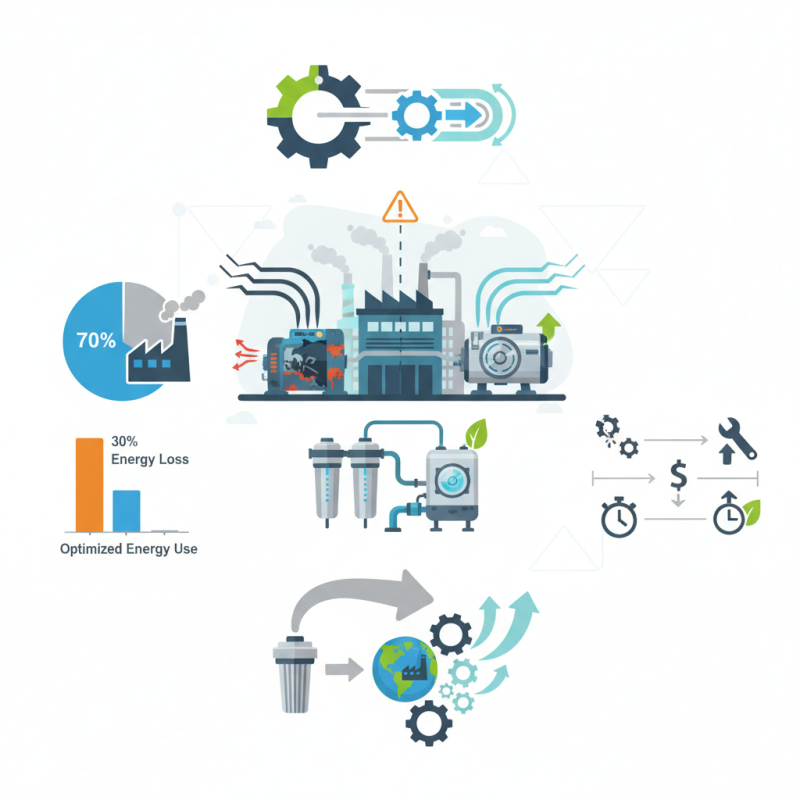
Compressed Air Treatment is crucial for industries leveraging compressed air systems. According to a report by the Compressed Air and Gas Institute, about 70% of manufacturing companies rely on compressed air as a primary energy source. This highlights the importance of effective treatment solutions that enhance system efficiency and product quality.
Many manufacturers face challenges related to air quality and system performance. Contaminated air can lead to equipment damage and increased energy consumption. A study indicates that poor air quality results in up to 30% more energy use in compressed air systems. Addressing these issues through advanced treatment solutions not only improves operational reliability but also reduces energy costs.
Investing in Compressed Air Treatment solutions is more than just a necessity; it is a strategic decision that impacts overall productivity. Proper filtration and drying methods can significantly extend the life of machinery. However, companies often overlook these aspects. Failing to prioritize air quality can lead to costly downtime and maintenance. Ultimately, embracing reliable treatment solutions is an essential step toward sustainable manufacturing practices.
Understanding the Importance of Compressed Air Treatment Solutions
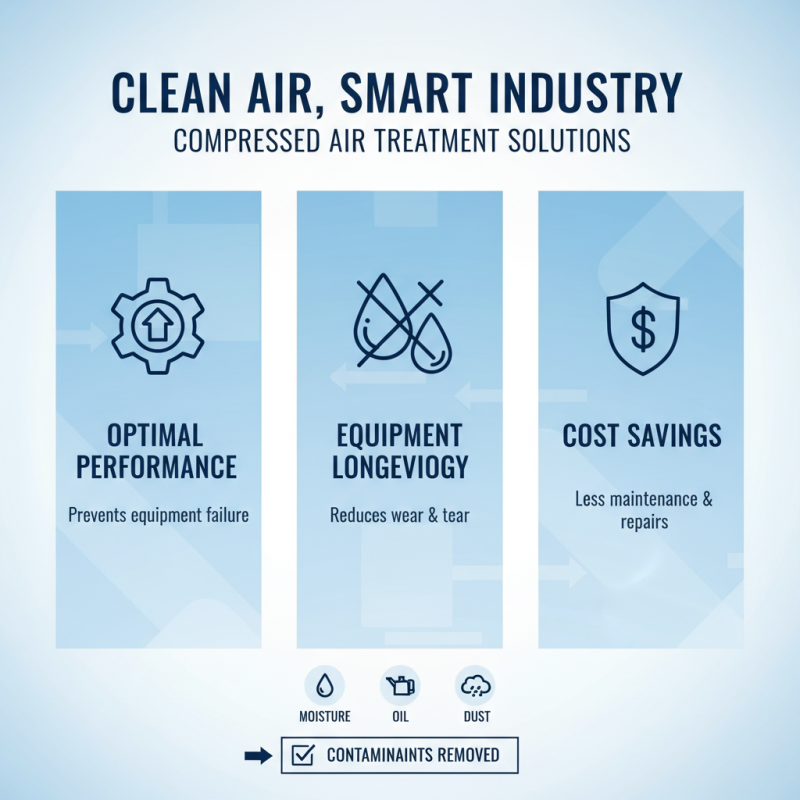
Compressed air treatment solutions are essential for many industries. These systems ensure optimal performance and longevity of equipment. When compressed air is used, it often carries moisture, oil, and dust. Without proper treatment, these contaminants can lead to system failures and costly repairs. Understanding the importance of these solutions helps organizations make informed decisions.
Tips: Regular maintenance is key. Schedule routine checks and replace filters promptly. This will enhance your air quality and prolong equipment life.
Investing in quality treatment solutions can yield significant benefits. It improves product quality and reduces downtime. However, organizations may overlook the need for specialized equipment. This can be a costly mistake. Ensure that you analyze your specific needs. Tailor your approach to fit your operational demands.
Tips: Conduct a regular needs assessment. Evaluate your existing systems to identify gaps. Consider implementing advanced technology to improve the treatment process. This paves the way for more reliable operations.
Key Components of Compressed Air Treatment Systems
When considering compressed air treatment systems, key components play a crucial role in their effectiveness.
Filters are essential for removing contaminants such as dust, oil, and moisture from compressed air. High-quality filters ensure the air is clean and safe for industrial applications. Without proper filtration, production quality can suffer significantly.
Dryers also form a critical part of these systems. They are designed to remove moisture, preventing corrosion and damage. Refrigerated and desiccant dryers are common types. Each has its advantages, though they operate differently. Users must assess their needs carefully. This decision can impact equipment longevity and operational efficiency.
Storage tanks are another important element. They help stabilize the air pressure and provide a steady supply. However, if not maintained, they can become a source of contamination. Regular inspection and proper maintenance are often overlooked. These oversights can lead to system failures and costly downtimes. Understanding and integrating these components is vital for a robust compressed air system.
Leading Brands in Compressed Air Treatment Solutions
When exploring compressed air treatment solutions, many global buyers seek reliable brands that ensure efficiency and quality. A significant report by the Compressed Air and Gas Institute found that up to 30% of energy consumption in compressed air systems stems from improper treatment. This highlights the importance of selecting trusted solutions that optimize energy use while minimizing downtime.
Choosing the right treatment equipment is critical. For instance, dryers play a vital role in removing moisture that can cause serious damage to machinery. Filtration systems remove contaminants, improving air quality substantially. Research indicates that clean air can extend the lifespan of equipment by 20-30%.
Tips: Regular maintenance of treatment equipment can enhance performance. Monitor pressure drops closely to identify issues early. Investing in high-quality components may yield long-term savings, despite higher initial costs. Remember, neglecting air treatment can lead to costly repairs and downtime. Make informed choices to protect your investment.
Comparative Analysis of Treatment Technologies and Methods
Compressed air treatment is essential for maintaining efficiency in industrial applications. Various treatment technologies exist, each with its strengths and weaknesses. For instance, adsorption dryers are effective for moisture removal, typically achieving dew points of -40°F or lower. Yet, they require regular maintenance and can consume a significant amount of energy.
A recent report by the Compressed Air and Gas Institute noted that up to 30% of compressed air energy is wasted. This highlights the need for suitable treatment solutions. Membrane filtration is another method, offering a compact design and low operational costs. However, it may not remove all contaminants effectively, especially at higher pressures.
Tip: Regularly assess your compressed air system. Identify inefficiencies and explore advanced treatment options. Investing in high-quality filtration can reduce energy usage by as much as 15%.
Innovative technologies, such as hybrid systems, combine different methods for optimal performance. However, these systems can be complex, requiring specialized knowledge to operate efficiently. Understanding trade-offs in cost, maintenance, and effectiveness is crucial when selecting treatment solutions.
Global Trends and Innovations in Compressed Air Treatment Solutions
The global market for compressed air treatment solutions is evolving rapidly. As industries look for efficiency, the demand for advanced technologies is rising. According to a recent report, the global market size for compressed air treatment is projected to reach $4 billion by 2025. This growth highlights the increasing importance of air quality in manufacturing processes.
Innovations like energy-efficient dryers and advanced filtration systems are gaining traction. Companies are integrating IoT technologies to monitor and optimize air treatment systems in real time. Such advancements can potentially reduce energy costs by up to 30%. However, many businesses struggle to adapt to these changes. The need for skilled professionals to implement and maintain these systems poses a challenge.
Data shows that nearly 40% of compressed air systems operate inefficiently. This inefficiency can lead to significant energy waste and increased operational costs. Industries must invest in proper maintenance and training. A lack of awareness regarding the latest treatment solutions affects performance. Addressing these issues is crucial as industries strive for better air quality and operational efficiency.