Precision machining depends on small decisions that shape every finished part. A Milling Chuck Collet holds the cutting tool, supports runout control, and influences surface quality. Even a slight gripping error can leave visible tool marks on aluminum or hardened steel.
This guide examines the Top 10 Milling Chuck Collets for Precision Machining through practical shop-floor criteria. The comparison considers concentricity, clamping strength, balance, material quality, and compatibility with common milling chucks. It also looks at setup speed, cleaning access, and performance during repeated production cycles. Those details matter when a spindle runs at high speed beside a warm, vibrating worktable.
Not every collet suits every application. A design that performs well with a 6 mm end mill may feel less reliable with a larger cutter. Coolant, tool shank tolerance, and maintenance habits can change the result. No ranking is perfect. Real testing can reveal limitations that product sheets overlook. That is why the discussion combines manufacturer specifications with practical machining experience and measured setup concerns. Readers can use these findings to select a Milling Chuck Collet with greater confidence, while still verifying fit, runout, and operating limits before production use. Small checks prevent expensive surprises.
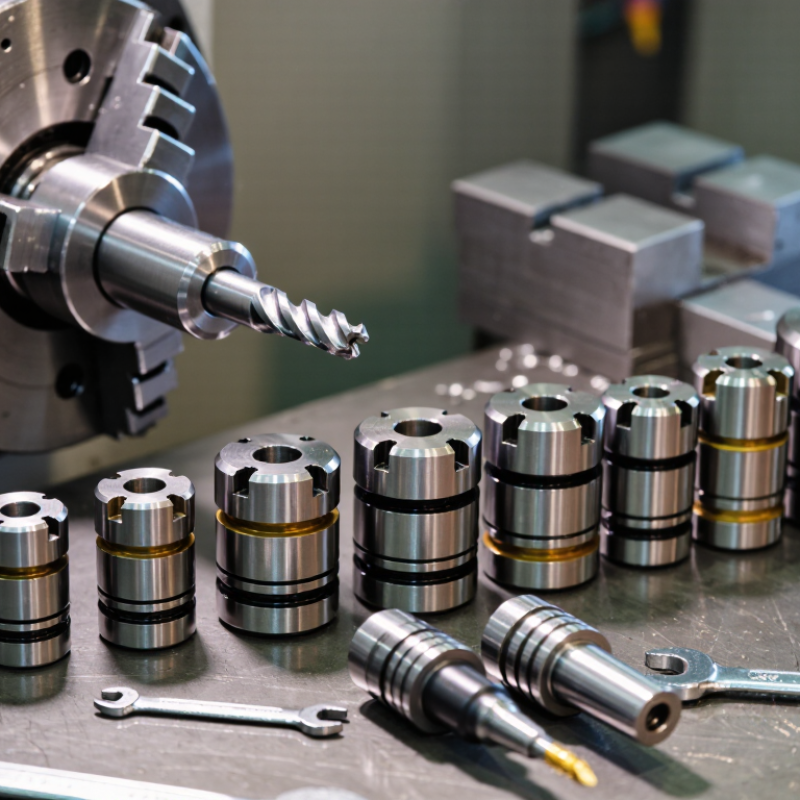
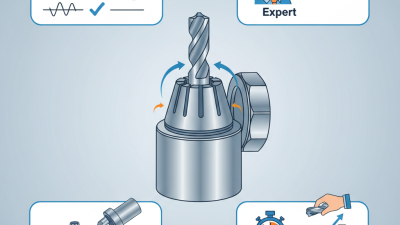
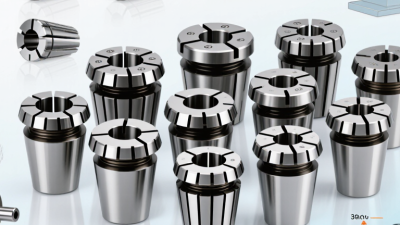
Milling chuck collets are precision sleeves that hold cutting tools inside a milling holder. Their split design allows the collet to contract evenly around a tool shank. A tightening nut pushes the collet into a tapered pocket. This action creates radial pressure, not just pressure at one point. The result is a firm connection between the spindle, holder, collet, and cutter.
Their performance depends on accurate contact. A clean 10 mm shank needs a matching collet range, not a loosely fitted larger size. Even small chips can create runout, vibration, and uneven tool wear. In practical machining, I inspect the collet bore under bright light. I also wipe the taper before assembly. It is a small habit. It matters.
The top ten milling chuck collets may differ in capacity, taper design, sealing method, and gripping length. Some suit general milling, while others support high-speed or heavy-cutting work. A collet should grip the recommended portion of the shank. Over-tightening can damage the collet or distort the tool. Under-tightening can allow pullout during a deep cut. I have found that torque guidance improves repeatability, although real machines rarely behave perfectly. Tool balance, spindle condition, and operator technique still influence the result. A careful setup reduces those variables, but it cannot remove every mistake.
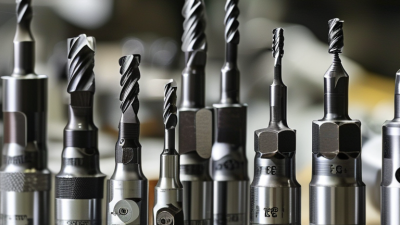
Top 10 Milling Chuck Collets for Precision Machining
Collet precision begins with measurable runout, not attractive packaging. ISO 15488 defines key dimensions and tolerances for ER-style collets, but users should verify actual performance. A 2023 report from the U.S. Cutting Tool Institute recorded approximately $2.5 billion in domestic cutting-tool consumption. That scale reflects a costly truth: small holding errors can multiply across high-volume production.
Check radial runout at the collet nose and near the tool shank. Many precision applications target values below 0.01 mm, although the required limit depends on tool diameter, speed, and material. Use a calibrated test bar, not a worn cutter. NIST measurement guidance stresses traceability and uncertainty, which are often overlooked during shop-floor checks. They matter.
Clamping force, surface finish, and repeatability deserve equal attention. A collet may show excellent static runout yet lose grip during interrupted cutting. Inspect the taper, nut threads, and contact surfaces under bright light. Even a tiny chip can tilt a tool. In practical trials, technicians should record results at several tool diameters and after repeated clamping cycles. One test is not enough. Tool imbalance also changes results as spindle speed rises. ISO 1940-1 provides a useful framework for balancing evaluation, though it does not replace application testing. The imperfect part is unavoidable: published accuracy can differ from performance on a dirty, warm machine. Temperature, cleaning habits, and operator technique must enter the purchasing decision.
Top 10 milling chuck collets for precision machining should be selected by runout, gripping range, and tool diameter. The practical list includes ER8, ER11, ER16, ER20, ER25, ER32, ER40, TG75, TG100, and DA200 formats. Smaller collets suit micro-milling and detailed cavity work. Larger systems provide stronger gripping for roughing operations. However, size alone does not guarantee accuracy.
A 2024 Gardner Intelligence World Machine Tool Survey valued global machine tool consumption at roughly 85 billion dollars in 2023. That scale reflects continued demand for reliable workholding and toolholding. ISO 1940-1 balance principles also remind machinists that rotational imbalance increases vibration at higher speeds. In testing, even slight dirt on a collet taper can create visible tool runout. I have seen clean-looking setups fail after only a few minutes. Collet quality matters, but maintenance matters more.
Tips: Measure runout near the tool tip, not only at the collet nose. Keep mating surfaces dry, clean, and lightly protected from corrosion. Use the correct tightening torque. Never clamp a tool outside the collet’s designed range. Check the manufacturer’s tolerance data, then verify it on your own machine. Published figures can be optimistic. Your spindle, holder, and operator habits may tell a different story.
This chart compares common ER-series collet sizes by their nominal maximum clamping diameter. Larger systems provide greater capacity, while smaller systems are commonly selected for compact tools and finer machining applications.
Values represent nominal maximum clamping diameters in millimeters for commonly used ER collet systems. Actual capacity may vary by collet standard and manufacturer specification.
Top 10 Milling Chuck Collets for Precision Machining should be compared by type, material, size, and compatibility, not appearance alone. ER11, ER16, ER20, ER25, ER32, and ER40 cover common shank ranges. TG and DA collets suit higher gripping force. R8 and 5C systems remain useful on compatible machines. HSK and SK collets support balanced, high-speed assemblies. The workpiece decides more than the catalogue.
Hardened spring steel offers reliable elasticity and strong repeatability. Carbide-tipped designs can improve grip on small, delicate tools, but they may cost more and tolerate less abuse. A 2024 Gardner Intelligence World Machine Tool Survey placed global machine-tool consumption above 80 billion US dollars in 2023. That scale explains the demand for standardized interfaces. DIN 6499 and ISO 15488 dimensions help, yet they do not guarantee a perfect fit. Check taper angle, nut thread, gauge length, coolant access, and maximum speed.
MarketsandMarkets reported continued expansion in the CNC machine market, with automation increasing pressure on tool-change consistency. In practice, I inspect every collet under bright light. Tiny scoring marks can create runout before cutting begins. A 6 mm collet may grip within its stated range, but its smallest setting is not always its best setting. Leave room for judgment. My ranking would favor ER32 for general work, ER16 for miniature tools, and TG for heavier cuts. Still, that choice can fail when the holder, spindle, and tool shank follow different standards. Compatibility tables deserve a second reading.
| Rank | Collet Type | Nominal Size | Typical Clamping Range | Common Material and Construction | Typical Precision Capability | Compatibility | Recommended Use | Versatility |
|---|---|---|---|---|---|---|---|---|
| 1 | ER32 | 32 mm system | Approximately 2–20 mm | Hardened spring steel with slotted, symmetrical construction | Typically up to 0.015 mm with a precision-grade collet and clean tooling | ER32 milling chucks, ER32 nuts, and ER32-compatible tool holders; accepts metric and inch collets in matching sizes | General-purpose milling, drilling, tapping, and solid-carbide tool holding | Excellent |
| 2 | ER20 | 20 mm system | Approximately 1–13 mm | Heat-treated spring steel; precision-ground bore and taper surfaces | Typically up to 0.015 mm with a precision-grade assembly | ER20 chucks, nuts, and holders only; the collet size must match the chuck system | Compact CNC machining, end mills, drills, reamers, and moderate radial loads | Excellent |
| 3 | ER16 | 16 mm system | Approximately 1–10 mm | Hardened spring steel with uniform elastic fingers | Typically up to 0.015 mm with proper cleaning and balanced tightening | ER16 nuts, collet chucks, shrink-fit adapters designed for ER16, and compatible spindle tooling | Small-diameter cutters, engraving, electronics work, and light precision milling | Very High |
| 4 | ER40 | 40 mm system | Approximately 3–26 mm | Hardened and tempered spring steel; robust high-load body | Typically up to 0.020 mm, depending on size and quality grade | ER40 chuck bodies, nuts, and holders; requires a matching ER40 collet and nut assembly | Large end mills, heavy milling, high torque, and machining of steel or cast iron | Very High |
| 5 | ER25 | 25 mm system | Approximately 1–16 mm | Precision-ground hardened spring steel | Typically up to 0.015–0.020 mm, depending on grade and setup | ER25 collet chucks, nuts, and tool holders; metric and inch versions must use the appropriate nominal size | Balanced choice for medium-sized cutters, drills, and general CNC machining | Very High |
| 6 | TG75 | 75-series system | Commonly about 1.6–19.1 mm; size-dependent | Hardened spring steel with a relatively deep gripping length | Typically up to 0.020 mm in a precision assembly | TG75 chuck bodies, nuts, and holders only; not interchangeable with ER or OZ collets | High gripping force, heavy milling, and applications requiring strong tool retention | High |
| 7 | TG100 | 100-series system | Commonly about 3.2–25.4 mm; size-dependent | Heavy-duty hardened spring steel with a large gripping section | Typically up to 0.020–0.025 mm, depending on collet grade | TG100-specific chucks, nuts, and tool holders; requires the correct TG series accessories | Heavy-duty milling, high torque, large cutters, and difficult-to-machine materials | High |
| 8 | OZ25 | 25 mm system | Approximately 2–16 mm | Hardened spring steel with a tapered, high-grip profile | Typically up to 0.020 mm with a precision-grade collet and holder | OZ25 chucks, nuts, and holders; OZ and ER collets are different systems and cannot be mixed | High-force clamping for milling cutters, drills, and production machining | High |
| 9 | ER11 | 11 mm system | Approximately 0.5–7 mm | Hardened spring steel with small-diameter precision fingers | Typically up to 0.015 mm with a precision-grade collet | ER11 holders, nuts, and compact spindle adapters; use only matching ER11 accessories | Micro end mills, small drills, engraving, and detailed aluminum or plastic work | High |
| 10 | ER8 | 8 mm system | Approximately 0.5–5 mm | Hardened spring steel with a compact, precision-ground design | Typically up to 0.015 mm in a clean, correctly assembled setup | ER8 nuts, collet chucks, and miniature tool holders; limited to the ER8 system | Ultra-small cutters, engraving, miniature components, and low-load precision work | High |
Choosing among the top 10 milling chuck collets starts with the machine, tool shank, and required runout. Common options include ER, TG, R8, OZ, and high-precision sealed collets. Match the collet range closely to the cutter diameter. A 10 mm tool should not rely on a heavily compressed 12 mm collet. That shortcut often increases vibration. Check the chuck taper, collet slots, nut threads, and tool holder for burrs before installation.
Cleanliness matters more than many operators expect. Wipe the spindle taper and collet with a lint-free cloth, then inspect them under bright light. Insert the collet into the nut before placing the assembly into the chuck. This prevents uneven seating. Tighten with a calibrated torque wrench, following the holder maker’s specification. Do not use an extension bar. I still find small chips after cleaning, which shows how easily routine inspection can fail.
Before cutting, confirm the tool’s gauge length and verify that the guard is closed. Run new setups at a reduced speed, then listen for unusual chatter or a sharp change in sound. Measure runout near the tool tip, not only at the collet nose. Replace cracked, distorted, or permanently marked collets. Store them dry and separated from loose cutters. Never exceed the rated speed, and never hold a tool with insufficient engagement. Even experienced machinists occasionally rush this step. That is precisely when a careful pause becomes essential.