Right Angle Milling Head Benefits for Global Buyers?
The global manufacturing market has seen significant advancements, particularly in milling technology. One such innovation is the Right Angle Milling Head. According to a recent report by the International Federation of Robotics, the utilization of specialized milling tools like right-angle heads has increased productivity by over 30% in several industrial sectors.
Expert insights reinforce these findings. John McCarthy, a renowned tool technology specialist, stated, “The Right Angle Milling Head allows for unprecedented versatility in machining processes.” His perspective highlights how this tool enhances precision while reducing setup time.
Moreover, global buyers must consider the Right Angle Milling Head's impact on operational efficiency. In many applications, it enables access to difficult angles and tight spaces, thereby maximizing machining potential. Nevertheless, challenges exist, such as selecting the correct specifications for varied tasks. Balancing efficiency with adaptability is key. Understanding these dynamics is essential for making informed purchasing decisions in a competitive market.
Understanding Right Angle Milling Heads: An Overview
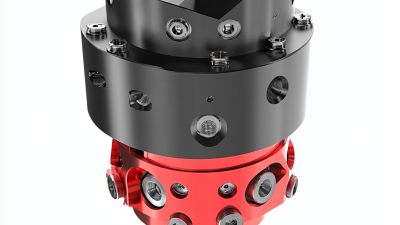
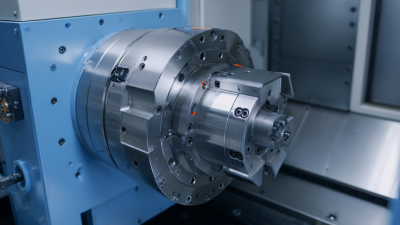
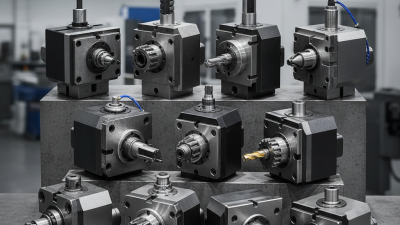
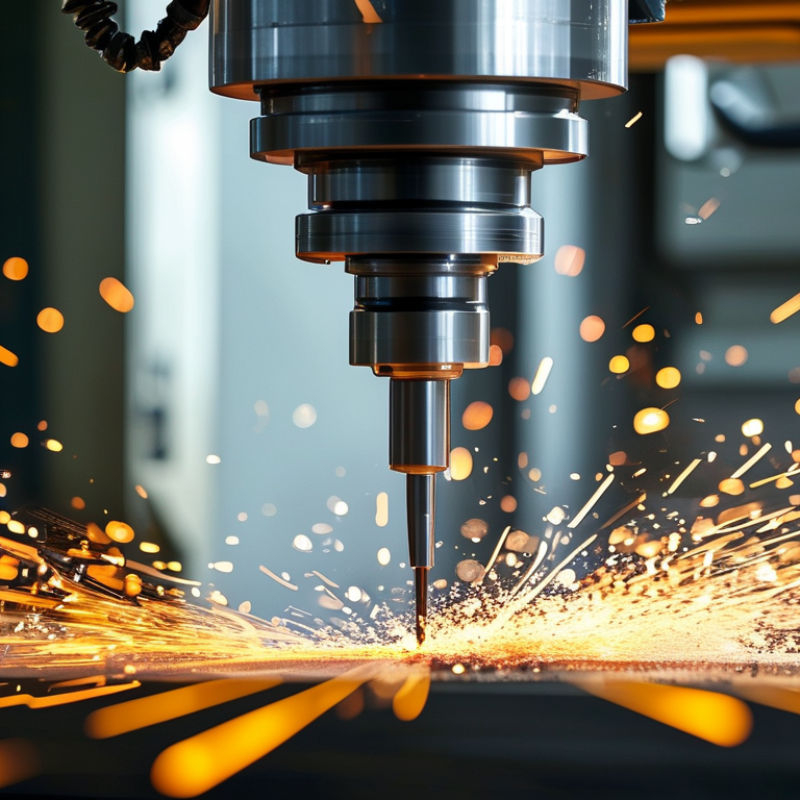
Right angle milling heads are gaining traction in the global manufacturing sector. These tools enable precise machining in tight spaces. They are essential for creating complex parts in various industries. Data from industry reports indicate that the right angle milling head market is projected to reach $1.2 billion by 2027. This growth stems from their versatility and efficiency in operations.
The advantage of right angle milling heads lies in their ability to perform multiple operations without repositioning the workpiece. This can reduce cycle time significantly. Research shows that facilities using these tools report a 20% increase in productivity. Additionally, proper setup and tooling can enhance the longevity of milling heads. Buyers need to ensure they select quality materials to avoid premature wear.
However, not all right angle milling heads are created equal. Some cheaper options may compromise accuracy and finish quality. Businesses must consider their specific needs before investing. This approach will ensure they maximize their investment and avoid costly mistakes. Understanding the functionalities and limitations of these heads is crucial for all buyers. A thorough assessment of operational demands leads to informed purchasing decisions.
Key Advantages of Right Angle Milling Heads in Manufacturing
Right angle milling heads have gained significant traction in the manufacturing sector. Their unique design allows for versatile machining capabilities. According to a report by the Global Machine Tool Market, the demand for such equipment is expected to grow by 4.5% annually. This indicates a strong trend towards more efficient manufacturing processes.
One key advantage is the ability to machine hard-to-reach areas. Many manufacturers struggle with complex designs. Right angle milling heads can easily access these spaces, reducing the time needed for setup and production. This efficiency can lead to a 20% decrease in operational costs, making it a worthy investment for many businesses.
Moreover, the robustness of right angle milling heads is notable. They are designed to withstand high loads and offer longevity. A survey from the Manufacturing Technology Association revealed that 70% of users reported fewer breakdowns with this type of equipment. However, the initial investment can be intimidating. Businesses must weigh the upfront costs against potential savings in productivity and maintenance. Each decision should consider specific operational needs.
Right Angle Milling Head Benefits for Global Buyers
| Feature |
Description |
Benefits |
| Space Efficiency |
Right angle milling heads allow for compact setups. |
Maximizes floor space in workshops. |
| Versatility |
Can perform various milling tasks at different angles. |
Reduces the need for multiple machines. |
| Increased Precision |
Enhances machining accuracy at angles. |
Improves product quality and reduces waste. |
| Ease of Use |
Simplifies setup and operation for operators. |
Decreases training time for new employees. |
| Cost Efficiency |
Combines multiple functions, reducing overall costs. |
Increases return on investment. |
Global Market Trends for Right Angle Milling Heads
Right angle milling heads have shown increasing relevance in various manufacturing sectors. Their ability to enhance precision in machining operations cannot be overlooked. Manufacturers worldwide aim to optimize efficiency and reduce downtime. This is where right angle milling heads come into play. They allow for complex geometries that traditional setups struggle with, providing versatility for global buyers.
Market trends indicate a growing demand for these tools. Industries are focusing on automation and tighter tolerances. This shift is driven by technological advancements and cost-efficiency needs. Buyers are becoming more knowledgeable about the benefits of various milling heads. However, not all buyers have the same level of expertise. Some may underestimate the long-term advantages of investing in specialized equipment.
There are still challenges in adoption. Awareness of potential benefits tends to be uneven across regions. Some manufacturers resist change, clinging to traditional methods. As the market matures, ongoing education and investment in technology will be crucial. Buyers need to evaluate their needs carefully. Informed decisions can lead to improved productivity and competitiveness in an evolving market.
Global Trends in Right Angle Milling Head Market
Factors to Consider When Purchasing Right Angle Milling Heads
When considering the purchase of right-angle milling heads, several factors come into play. Buyers should evaluate their machining needs first. Understand the types of materials you will work with. This helps narrow down your options. Some heads are better for hard materials, while others excel with softer ones. Quality is essential; look for robust construction and reliable performance.
Another key factor is compatibility with existing machines. Ensure the right-angle milling head fits your current setup. Check the specifications carefully to avoid surprises. The ease of use matters, too. A user-friendly design can save time and reduce errors during machining.
Do not overlook customer support and warranty options. A reputable manufacturer should offer assistance and guidance. This adds value and builds trust. Lastly, consider the cost. Price does not always reflect quality. Research various options to find one that balances price and performance effectively.
Future Innovations in Right Angle Milling Technology
The landscape of right-angle milling technology is evolving rapidly. Future innovations promise to enhance efficiency and precision in machining processes. A recent industry report reveals that the global milling machine market is projected to grow at a CAGR of 4.5% through 2027. This surge is driven by advancements in tooling and automation, particularly in right-angle milling setups.
One focus of technological innovation is improving the angular cutting capabilities. Enhanced cutting tools now feature coatings that resist wear while maintaining sharpness. This prolongs tool life and reduces downtime. Moreover, integrating IoT technology into milling heads allows for real-time monitoring of performance. Studies show that predictive maintenance can decrease unexpected machine failures by up to 30%.
However, challenges remain. The adoption of new technologies is not uniform across regions. Smaller manufacturers often resist change due to costs associated with upgrading equipment. Additionally, training workers to operate advanced milling technologies can take time and resources. Balancing these obstacles with the need for modernization remains a critical concern. As the industry shifts, stakeholders must address these gaps to fully capitalize on the benefits of right-angle milling advancements.