Leave Your Message

What Is the Best Compressed Air Cleaner in 2026?

Choosing the best Compressed Air Cleaner in 2026 is not simply a matter of buying the unit with the finest filter rating. The right choice depends on the air’s end use, the compressor’s output, and the conditions inside the plant. A workshop painting metal parts has different needs from a food-packaging line or a dental clinic. Moisture, oil aerosols, and fine particles can affect product quality, equipment life, and maintenance costs. One detail is easy to miss: a filter that is too restrictive can increase pressure drop and energy use.

Compressed-air consultant Tim Dugan is often quoted as saying, “Compressed air is the most expensive utility in a plant.” That warning is useful, though the actual cost depends on the system and how it operates. A cleaner should be judged by delivered air quality, pressure loss, service intervals, and the cost of replacement elements—not by marketing claims alone. This guide compares cleaner types, explains key specifications, and highlights the questions buyers should ask before choosing a model. It also considers operating conditions, including humidity and changing air demand. A catalogue rating can look reassuring. Real performance matters more. No single model suits every facility, and even a well-matched cleaner needs regular inspection. That part is less exciting, but it should not be ignored.
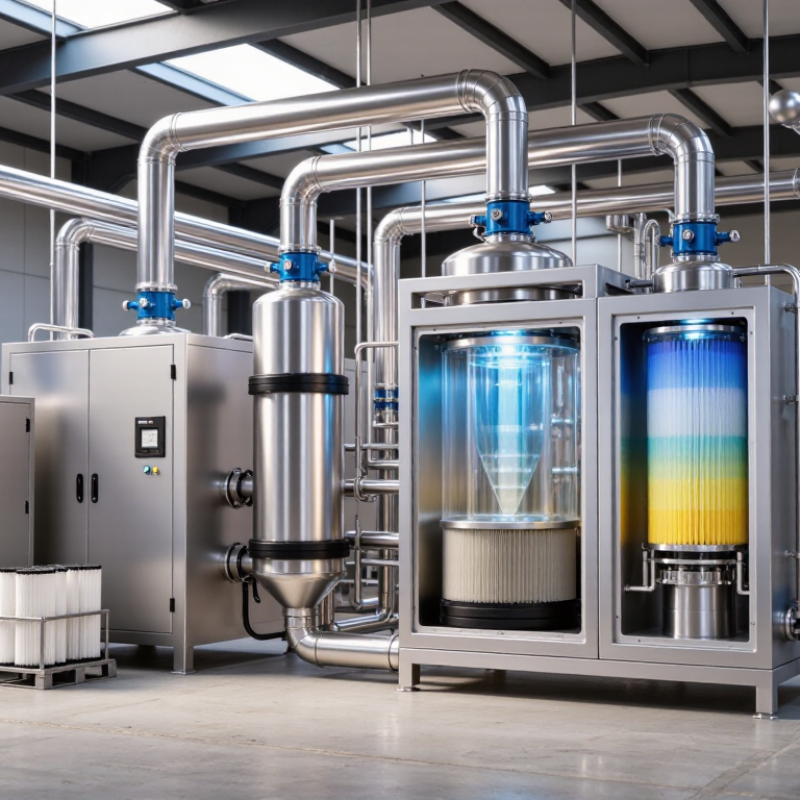
What Is the Best Compressed Air Cleaner in 2026?

What a Compressed Air Cleaner Does

What Is the Best Compressed Air Cleaner in 2026?
What a Compressed Air Cleaner Does

A compressed air cleaner reduces unwanted water, oil aerosols, rust, and dust before air reaches tools or equipment. It may combine a moisture separator, filters, and a dryer. The right setup depends on airflow, the compressor, and the air quality equipment requires. There is no universal unit.

As hot compressed air cools in piping, water can condense and collect in low spots. Small particles may travel downstream. A separator removes larger water droplets, while a coalescing filter captures finer oil and moisture mist. A dryer reduces moisture further. For example, a paint line may need drier air than a shop blow gun. Check the equipment manual and required air quality, rather than choosing by filter size alone.

Cleaner air can help protect valves, cylinders, and air tools from wear. But the device cannot correct every source of contamination. A clogged filter can restrict flow and cause pressure loss, so check its condition and replace elements as recommended. That detail is easy to overlook. The phrase “air cleaner” can also be misleading: different systems remove different contaminants, and no single stage catches everything.
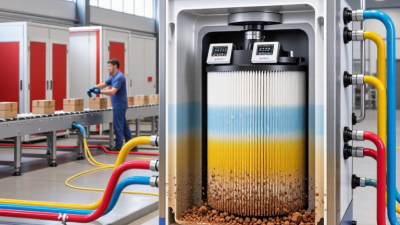
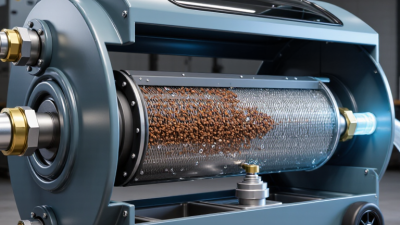
How Compressed Air Cleaning Systems Work

Compressed air cleaning begins after the compressor draws in ordinary room air. That air carries dust, water vapor, and sometimes traces of oil. Compression makes the moisture problem more visible: hot air cools downstream, and water can collect in pipes or tanks. A useful system removes contaminants in stages rather than relying on one filter.

An aftercooler lowers the air temperature, helping moisture condense. A separator then removes much of that liquid, while automatic drains discharge collected water. Dryers reduce the remaining water vapor; filters capture particles and, when specified, oil aerosols. Each component has a distinct job. A fine filter cannot compensate for a saturated dryer. Small details matter.

At the point of use, the required air quality depends on the tool or process. A paint booth and a pneumatic impact wrench may need different levels of dryness and filtration. Check pressure drop across filters, inspect drains, and replace elements according to measured condition or the maintenance schedule. A rising pressure drop can signal a loaded element. There is no perfect setup for every shop. Even a well-designed system can underperform if pipework traps water or maintenance slips; those weak spots are easy to overlook.

Main Types of Compressed Air Cleaners

Compressed-air cleaning combines several treatment stages, because dust, liquid water, and oil vapor behave differently. Particulate filters catch rust and pipe scale; coalescing filters capture fine liquid droplets and aerosols. ISO 8573-1:2010 classifies compressed-air purity by particles, water, and total oil, giving buyers measurable targets instead of vague “clean air” claims. The required class depends on the tool or process.

Moisture needs separate attention. Refrigerated dryers reduce water vapor for many general plant systems, while desiccant dryers reach lower dew points for sensitive processes. Activated-carbon adsorbers can reduce oil vapor and odor, but they do not replace particle or moisture filtration. No filter is magic. A carbon stage loaded with oil droplets may exhaust quickly, so upstream separation matters.

Choose the treatment train from measured inlet conditions and the equipment’s purity requirement. The U.S. Department of Energy’s Improving Compressed Air System Performance sourcebook estimates compressed air uses about 10% of industrial electricity. That figure makes pressure drop important: dirty or undersized elements can increase compressor demand. Check differential-pressure readings, drain operation, and the specified ISO class; a spotless-looking line can still contain invisible vapor.

What Is the Best Compressed Air Cleaner in 2026? - Main Types of Compressed Air Cleaners

Cleaner Type What It Removes Typical Applications Key Advantages Limitations and Maintenance
Cyclone or centrifugal separator Bulk liquid water and larger droplets carried in compressed air. As an initial treatment stage near a compressor or after an aftercooler. Low pressure drop when properly sized; no fine filter element to replace. Does not remove water vapor, fine particles, or oil aerosols. The condensate drain must work reliably.
Particulate filter Solid particles such as rust, pipe scale, and dust. The rating depends on the filter design and specified efficiency. General-purpose air lines and protection for downstream equipment. Provides straightforward protection against solid contamination and can serve as a prefilter. Does not reliably remove water vapor or oil vapor. Replace the element when its differential pressure or service schedule indicates.
Coalescing filter Liquid water and oil aerosols, which collect into larger droplets for drainage. Fine grades are available for demanding applications. Downstream of a dryer or after a bulk-water separator; suitable where aerosol reduction is required. Can reduce fine liquid aerosol contamination when selected for the required performance and flow. Does not remove water vapor or oil vapor. Needs a functioning drain, correct installation, and periodic element replacement.
Activated-carbon adsorber Oil vapors and some hydrocarbon odors through adsorption. Applications requiring additional vapor or odor reduction after suitable particulate and coalescing filtration. Targets contaminants that ordinary particulate and coalescing filters do not remove effectively. Does not remove bulk liquid or particles. Adsorption capacity is finite; media replacement depends on loading and operating conditions.
Sterile-grade membrane filter Microorganisms and fine particles when used as part of a properly designed and validated filtration system. Point-of-use applications in food, beverage, pharmaceutical, or other hygiene-sensitive processes. Can provide a final barrier close to the point of use when the filter and installation are appropriately validated. Requires suitable prefiltration and application-specific validation. It does not remove water vapor or oil vapor, and integrity testing may be required.
Compressed-air dryer (supporting treatment) Water vapor, lowering the air's pressure dew point. Refrigerated and desiccant dryers use different processes. Systems where condensation, corrosion, or moisture-related process problems must be controlled. Addresses moisture vapor that liquid separators and ordinary filters cannot remove. A dryer is not a substitute for a particle or oil-aerosol filter. Choose the dryer type and dew point for the system's temperature and process needs.

Selection tip: There is no single best cleaner for every system. Base selection on the required air-quality class, contaminant type, flow rate, pressure, pressure-drop allowance, and point-of-use requirements. A common treatment train combines bulk-water separation, drying, and appropriately selected filters.

Key Factors for Choosing a Cleaner in 2026

The best compressed air cleaner in 2026 depends on the air your tools need, not the largest filter on a shelf. Start by checking the compressor’s flow rate, operating pressure, and the tool maker’s air-quality requirements. A spray gun, for example, can reveal moisture as tiny blisters or a dull finish. That clue matters.

Match treatment to the contaminant. A particulate filter catches rust and dust; a coalescing filter reduces liquid oil and water aerosols. For very dry air, a desiccant or refrigerated dryer may be appropriate, depending on the required dew point and room temperature. One stage rarely solves everything. Oversizing can waste money, while undersizing may restrict flow when several tools run at once.

Check pressure drop at the expected flow, not just the connection size. Look for clear element-change guidance, drain access, and replacement filters that are easy to source. Inspect the bowl and drain regularly; a clogged element can quietly raise compressor workload. Small details count. Track pressure before and after the cleaner for a week, then compare it with your process results. The reading may be less tidy than expected, but it is better evidence than a sales claim. Reassess when tools, humidity, or production demands change. A cleaner is only effective when maintained and correctly matched.

What Is the Best Compressed Air Cleaner in 2026? Key Factors for Choosing a Cleaner

A cleaner’s drying performance should match the required compressed-air quality at the point of use. This chart shows the maximum pressure dew point for ISO 8573-1 water classes 1–6; lower temperatures indicate drier air. Choose a class based on the application, operating conditions, and the cost of achieving and maintaining that level of dryness.

Reference: ISO 8573-1:2010, water classes. Class limits are maximum pressure dew points.

How to Select the Best Cleaner for Your Application

Choosing the best compressed air cleaner begins with the air your process actually needs, not the product label. A spray booth, instrument line, and pneumatic tool can tolerate different amounts of water, oil, and particles. Check equipment manuals and identify the contaminant causing problems. Start with the process. A clear drain bowl does not prove the air is dry or free of fine oil mist.

Size the treatment equipment for peak flow and operating pressure, not average use alone. An undersized filter can cause pressure loss when several tools run together. Check its rated flow at your actual inlet pressure and temperature. If water is the main issue, a suitable dryer may matter more than a finer particle filter. For oil-sensitive work, use appropriate filtration stages and verify outlet quality with measurements. Measure at peak demand.

Consider temperature, duty cycle, drain arrangement, replacement intervals, and downtime costs. Differential-pressure gauges can indicate when a filter element is loading, while reliable drains remove condensate. Keep service records and retest air quality after changes to the compressor or piping. Adding more stages is not automatically better; they may increase energy use and pressure loss. Application requirements are sometimes unclear, so confirm them with the equipment manufacturer or a qualified compressed-air specialist before choosing a system.