
Leave Your Message

What Are the Best Tapping Machine Collets in 2026?

Choosing the best Tapping Machine Collets in 2026 starts with the machine, not the product label. A collet that fits the spindle and tap shank correctly can help reduce runout, slipping, and uneven thread quality. But no single design suits every workshop. Fit matters.

This guide compares collets by practical factors: shank-size range, retention, torque transfer, changeover time, and compatibility with the tapping machine. A production line cutting stainless steel may need different performance from a maintenance bench tapping softer aluminum. Look closely at the manufacturer’s sizing chart, supported tap types, and operating limits. A neat-looking specification sheet does not guarantee a good fit on your machine.

We also consider daily handling. Is the collet easy to load with oily fingers? Does it hold the tap securely during repeated cycles? Can replacement parts be sourced without long delays? These details affect real work, even when they rarely appear in product photos. Small details count.

“Best” should mean dependable for your setup, not simply the most expensive option or the one with the longest feature list. Some comparisons may remain uncertain because manufacturers publish different test conditions, and workshop results vary with materials, lubrication, and operator technique. That is worth acknowledging. Use this 2026 overview to narrow your choices, then confirm dimensions and recommendations with the machine and collet manufacturers before ordering.
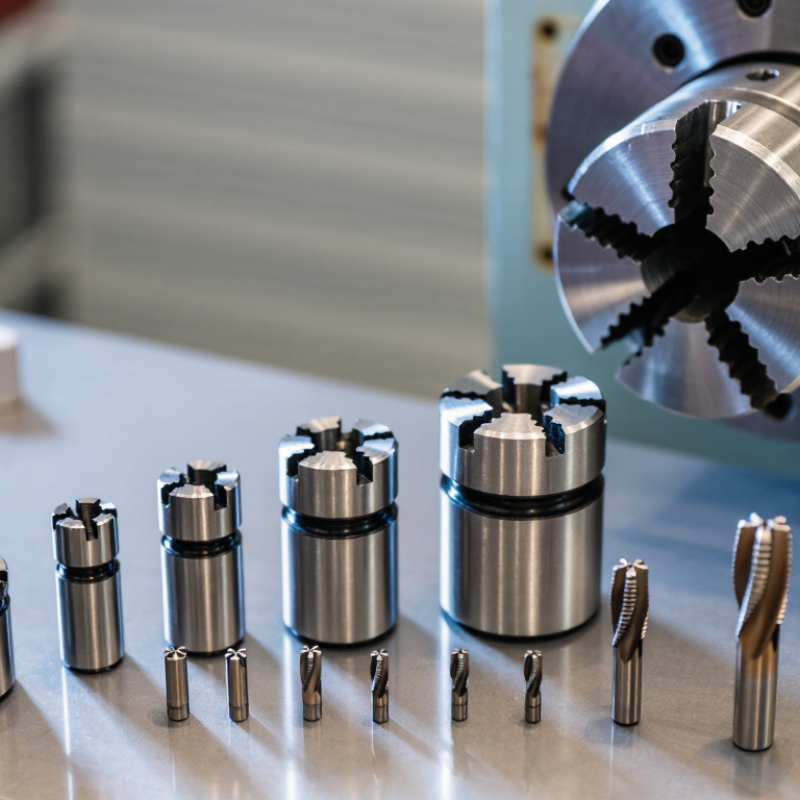
What Are the Best Tapping Machine Collets in 2026?

Understanding Tapping Machine Collets and Their Role

A tapping machine collet holds the tap shank and transfers spindle rotation to the cutting tool. Its fit affects how steadily the tap enters a pre-drilled hole. A correctly matched collet grips the shank without crushing it or allowing it to slip under load. The tap’s shank diameter and drive shape should match the collet specification. Small details matter. A poor fit can cause uneven threads, tool wear, or a broken tap.

Collets are not interchangeable just because they look similar. Check the tap dimensions, machine connection, and any required torque or compensation features before selecting one. In blind holes, consistent alignment and controlled depth are especially important because the tap has limited room to clear chips. Keep the collet and its seating surfaces clean; a thin film of debris can affect grip. A practical check is to install the tap, confirm it seats fully, and inspect for visible runout before machining. There is no perfect setup for every job, and shop conditions can complicate even a careful choice. That is worth checking twice.
Comparing the Main Types of Tapping Machine Collets

What Are the Best Tapping Machine Collets in 2026?

Comparing the Main Types of Tapping Machine Collets

The best choice depends on your machine, tap shank, and work material. Standard collets grip a tap securely and suit setups where spindle speed and feed are well controlled. They are simple, but offer little protection if a tap binds in a blind hole. Torque-limiting tapping collets release or slip at a set load, helping reduce breakage. Their clutch setting must match the tap size and material; too low, and the tap may stop cutting.

Tension-compression holders allow slight axial movement between the spindle and tap. This can help when machine feed does not perfectly match the thread pitch, especially on less rigid setups. Quick-change tapping collets speed tool swaps, useful when a job uses several tap sizes. They are convenient, though extra interfaces can introduce runout or looseness if poorly maintained. The trade-off is not always neat. A rigid holder may cut cleanly on one machine and break taps on another.

Tips: Check the tap’s shank dimensions, holder range, and machine connection before ordering. Test on a scrap workpiece, then inspect the first threads and listen for chatter. Keep collets clean; a small chip can affect grip. Don’t assume a clutch setting transfers between materials.

Key Factors for Choosing a Tapping Collet in 2026

Choosing a tapping collet in 2026 starts with the machine, not the catalog. Check the spindle interface, holder type, and supported tap range against your actual setup. A poor fit can increase runout, weaken thread alignment, or let a tap slip under load. Fit matters. A close, clean match is more useful than a long feature list.

Next, consider how the machine controls tapping. Rigid tapping needs accurate spindle-to-feed synchronization, while a floating collet can provide limited axial compensation where the setup requires it. Check the collet’s torque capacity and any overload protection, especially for small taps. A clutch can help prevent breakage, but an unsuitable setting may still damage threads. Test on scrap first. Look for smooth engagement and consistent thread depth.

Material and coolant matter too. For stainless steel or other demanding materials, confirm that the collet holds the tap securely during repeated cycles and suits the coolant arrangement. Sealed designs may help keep chips and fluid away from moving parts. Inspect the jaws for wear, clean them regularly, and replace damaged components before they affect accuracy. In practice, the best choice is not always the most elaborate one; setup details can make a good collet perform poorly. Check actual machining results before standardizing on a model.

What Are the Best Tapping Machine Collets in 2026?

Key factors for choosing a tapping collet, with a practical metric-thread reference.

The chart shows common tap-drill recommendations for ISO metric coarse threads. These dimensions help identify the tap size your setup must accommodate; they are not collet dimensions. Choose a collet by checking tap-shank compatibility, holder interface, torque protection, and whether axial compensation is needed. Confirm drill size against the tap and workpiece material specifications.

Best Tapping Collets for Different Applications

What Are the Best Tapping Machine Collets in 2026?

Best Tapping Collets for Different Applications

The right tapping collet depends on the machine, tap, and production task. For frequent tool changes, a quick-change collet can reduce downtime between holes. It is useful on jobs with several tap sizes. Check that the collet matches the holder and tap shank; a close-looking fit is not enough.

Rigid tapping works best with a holder and collet system designed for synchronized spindle movement. Correct sizing helps limit tap slippage and supports consistent thread quality. For older machines or setups with slight feed variation, a tension-compression holder can absorb small differences between spindle feed and tap pitch. It may be less suitable when precise synchronization is essential. Details matter.

For maintenance work and varied materials, a flexible setup can be practical. In high-volume production, repeatability and secure clamping may matter more than fast changes. Match the collet to the tap’s shank diameter, the holder’s capacity, and the material being threaded. Softer metals and stainless steel place different demands on a tap, so review the manufacturer’s operating guidance for speed and lubrication. There is no universal winner. The choice can feel less tidy when one machine handles both short runs and long batches; testing a sample setup before production can reveal fit or thread issues early.

Installing and Maintaining Tapping Machine Collets

What Are the Best Tapping Machine Collets in 2026?

Installing and Maintaining Tapping Machine Collets

A good tapping-collet setup starts with a clean spindle interface and a collet matched to the tap shank and machine holder. Stop the machine before fitting or removing components. Wipe away chips and dried coolant; even a thin particle can affect seating. Check the collet, drive features, and tap for cracks, burrs, or uneven wear. Small errors matter. Seat each part squarely, then tighten it according to the holder maker’s instructions. Avoid forcing a tap into a mismatched collet.

During setup, verify alignment and runout with suitable measuring equipment, especially when threading small holes or working with rigid tapping. Confirm the collet’s compensation or torque-control features suit the machine and operation. Siemens’ 2024 True Cost of Downtime report estimates downtime costs Fortune Global 500 firms about 11% of annual revenue. That broad figure is not specific to tapping, but it shows why routine checks can matter.

Keep it clean. After each shift, remove chips and coolant residue, then inspect contact surfaces under good light. Store collets dry and protected from impact. Replace parts showing distortion, damaged drive features, or persistent runout; do not try to correct damage by over-tightening. Record recurring tap breakage or poor thread finish alongside the collet and setup used. A log can reveal patterns, though it may not explain every failure. Recheck after a tool change.