Leave Your Message

China Best Milling Chuck Collet Manufacturer Supplier

Choosing a China Best Milling Chuck Collet Manufacturer Supplier requires more than comparing prices. It demands practical knowledge of machining conditions, tool geometry, and production risks. A reliable Milling Chuck Collet must grip firmly, maintain low runout, and survive repeated tightening. Small errors become visible on the workpiece. Edges chatter. Bore finishes deteriorate. Tool life shortens.

Dr. Tony L. Schmitz, a respected machining dynamics researcher, has emphasized, “Tool-holder performance is part of the cutting system, not a separate accessory.” This principle deserves attention. The chuck, collet, spindle, cutter, and material work together. A supplier should explain that relationship clearly. Look for measured runout data, heat-treatment details, balancing grades, and compatible standards. Ask how inspections are performed. Ask for samples, too.

Experienced manufacturers usually provide more than a catalog photograph. They discuss ER collet sizes, clamping ranges, taper accuracy, surface hardness, and cleaning procedures. They may also recommend different solutions for aluminum, hardened steel, or high-speed machining. That advice matters.

No supplier is perfect. Specifications can be unclear. Some product pages overstate precision. Buyers should verify claims through drawings, inspection reports, and trial cuts. A careful factory welcomes those questions. It should also admit limitations when a design is unsuitable. This guide examines how to identify a dependable Chinese supplier, compare Milling Chuck Collet quality, and judge long-term value beyond the initial quotation. The best decision is rarely the cheapest one.
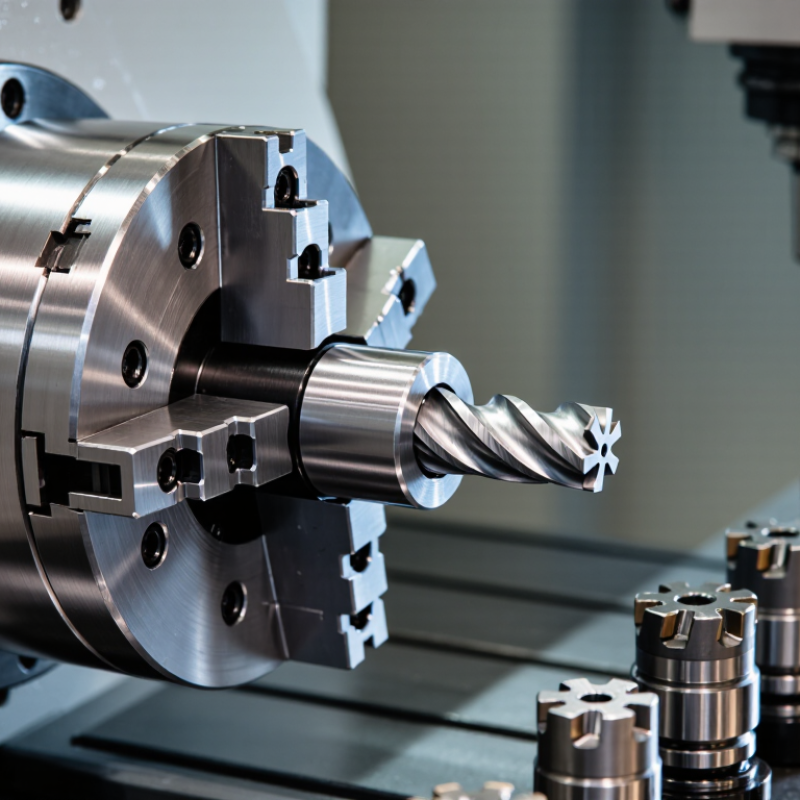
China Best Milling Chuck Collet Manufacturer Supplier

What Is a Milling Chuck Collet?

What Is a Milling Chuck Collet?

A milling chuck collet is a precision sleeve that grips a cutting tool inside a machine spindle. Its slotted body contracts evenly when the chuck nut tightens. This creates radial clamping force around the tool shank. Common systems include ER, R8, and shrink-fit designs. Each system suits different spindle interfaces and machining conditions.

In daily workshop use, collet performance depends on more than its nominal size. Clean contact surfaces reduce runout and improve tool life. A damaged thread or worn taper can create vibration within minutes. The 2023 U.S. Manufacturing Technology Orders report from AMT recorded nearly 4.9 billion dollars in technology orders. This scale reflects the continuing demand for dependable machining equipment and accessories. Deloitte’s 2024 Smart Manufacturing survey also found that 86% of leaders expect smart manufacturing to become a major competitiveness factor. Toolholding remains a small part of that system, but its effect is immediate. A perfectly clean setup is not always achieved. That weakness deserves attention.

Tips

Match the collet range closely to the tool diameter. Avoid clamping a small tool with excessive oversize capacity. Wipe the taper, collet, and nut before assembly. Check visible runout with a dial indicator. Many shops accept 0.01 mm without questioning the cause. That may be acceptable for roughing, but finishing work can require tighter control. Use a calibrated torque wrench when the manufacturer provides a tightening value. Replace collets showing cracks, blue heat marks, or uneven slots.
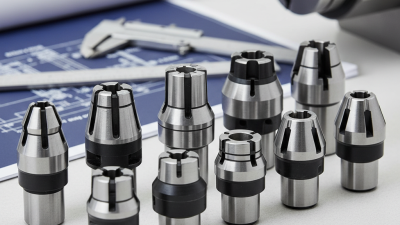
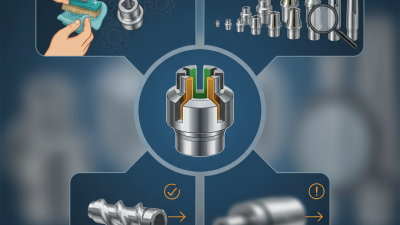
How Milling Chuck Collets Work in Machining Operations

China Best Milling Chuck Collet Manufacturer Supplier

A milling chuck collet grips a cutting tool through controlled radial compression. The spindle drawbar pulls the chuck into its tapered holder. That axial movement converts into inward pressure around the collet. Contact must remain even. Otherwise, the cutter may slip, chatter, or cut an inaccurate pocket.

In shop testing, technicians usually check runout near the collet nose. High-quality assemblies often target less than 0.01 mm runout, depending on the system and gauge length.

Clamping torque also matters. Too little torque allows movement; excessive torque can deform the collet permanently.

The 2023 World Machine Tool Survey reported global machine-tool consumption of about US$81.9 billion in 2022. That scale reflects the continuing need for reliable workholding and repeatable machining.

Collet selection depends on tool diameter, cutting load, speed, and coolant conditions. A clean taper transfers force more consistently. Even a tiny chip can tilt the tool.

ISO 1940-1 provides balancing guidance for rotating assemblies, but balance alone cannot correct poor cleaning or uneven tightening.

In practical production, operators should inspect slots, threads, and contact surfaces before each setup. This step is easy to skip. That is where reliability often weakens.

A collet may look acceptable while losing grip under heavy side milling. Careful measurement, documented torque, and periodic replacement create more dependable results.

Which Types of Milling Chuck Collets Are Available?

China Best Milling Chuck Collet Manufacturer Supplier

Which Types of Milling Chuck Collets Are Available?

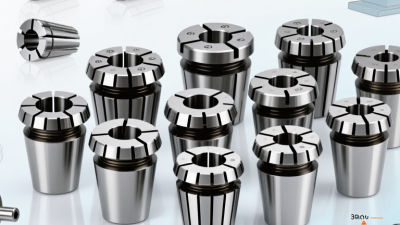
Milling chuck collets come in several designs, and each suits different machining conditions. ER collets remain common because they offer broad clamping ranges and quick tool changes. They work well for end mills, drills, and reamers. ER16, ER25, ER32, and ER40 sizes cover many workshop requirements.

TG collets provide stronger gripping force than standard ER types. Their longer taper supports heavy milling and reduces tool movement under load. OZ collets are another robust option, especially for larger cutters and demanding roughing work. Sealed collets can help contain coolant around the tool shank. That detail matters during high-pressure coolant use.

Shrink-fit collets deliver excellent concentricity and a slim profile near deep pockets. However, they need heating equipment and careful handling. Hydraulic-style collets offer smooth operation and low runout, but their purchase cost is usually higher. Not always better. The correct choice depends on tool diameter, spindle speed, cutting force, and coolant conditions.

From practical inspection, collet quality depends on more than its name. Check the clamping range, tolerance, surface finish, and tested runout. A clean collet should grip evenly without visible scoring or rust. Operators sometimes overlook nut condition, which can affect vibration and tool life. A dependable supplier should provide dimensional data, material information, inspection records, and clear guidance for matching collets with milling holders.

How to Choose the Right Milling Chuck Collet

How to Choose the Right Milling Chuck Collet

Choosing a milling chuck collet starts with the tool, not the machine name. Check the cutter diameter, shank tolerance, spindle taper, and required speed. A collet should grip evenly around the shank. Uneven contact can create runout, vibration, and poor surface quality. Measure runout with a dial indicator when precision matters. Even a small error becomes visible on long cutters. Match the collet system to your chuck body. Do not mix incompatible sizes or profiles. That mistake is surprisingly common.

Tips: Clean the collet, nut, and chuck bore before assembly. Remove chips and dried coolant. Tighten the nut with a calibrated torque wrench, following the manufacturer’s specification. Avoid gripping a tool too shallowly. Keep enough shank inside the collet for stable cutting. Inspect the slots for cracks or deformation. Replace damaged parts immediately.

Material and cutting conditions also influence the choice. Rough milling needs strong grip and good vibration control. Fine finishing may require lower runout and balanced components. High-speed work demands accurate assembly and suitable balancing. In practice, operators sometimes choose the smallest available collet without checking tool tolerance. I have found that this saves little time and often causes rework. Record tool diameter, measured runout, torque, and cutting results. These simple notes make future selection more reliable, although they may reveal that the original setup was not ideal.

How to Choose the Right Milling Chuck Collet

Select the collet size according to the largest tool shank diameter you need to hold. The chart shows the common maximum nominal clamping diameters for DIN 6499 ER collet series. A smaller suitable collet system can provide better compactness and rigidity, while a larger system offers a wider gripping range. Always verify the exact chuck and collet specifications before purchase.

What Makes a Reliable China Milling Chuck Collet Manufacturer?

A reliable China milling chuck collet manufacturer shows its experience in details you can measure. Engineers should understand runout, clamping force, tool balance, and heat treatment, not merely quote a low price. Ask how collets are ground and checked. A supplier with practical knowledge can explain gauge selection, tolerance limits, and suitable coolant conditions. This matters on a busy machining line. Small errors become visible as chatter, poor surface finish, or shortened tool life. Numbers tell the story.

Professional production needs controlled materials and repeatable inspection. High-quality spring steel, stable heat treatment, and precise grinding help the collet hold tools evenly. Inspection should include runout testing, dimensional checks, hardness verification, and trial assembly with matching chucks. Clear records add authority. Batch numbers, inspection reports, and calibrated equipment make claims easier to trust. A dependable manufacturer also protects products with rust prevention, separators, and strong export packaging. It should answer technical questions without hiding behind vague promises.

Reliability is also tested when something goes wrong. No workshop is perfect. A collet may need rework, or a delivery may miss its planned date. The important point is how the supplier responds. It should identify the cause, share corrective action, and prevent repeated defects. I would request samples before a large order and compare actual runout with the stated value. That step can feel slow, but it exposes weak process control early. Good communication, stable lead times, and realistic customization advice often matter more than impressive brochures. A manufacturer earns confidence one measured batch at a time.

China Best Milling Chuck Collet Manufacturer Supplier - What Makes a Reliable China Milling Chuck Collet Manufacturer?

Evaluation Dimension Typical Technical Requirement Relevant Standard or Test Method Why It Matters Recommended Verification Evidence
Product standardization Collet chucks and spring collets should be manufactured to recognized dimensional specifications, such as ER systems defined by DIN 6499. DIN 6499; applicable ISO tooling and machine-tool documentation Standardized dimensions improve interchangeability, repeatability, and compatibility with holders and accessories. Controlled drawings, tolerance charts, inspection records, and traceable revision history
Material selection High-quality spring collets commonly use alloy spring steel with suitable elasticity, fatigue resistance, and dimensional stability. Material certificate; chemical composition and hardness inspection Appropriate material helps maintain clamping force and reduces permanent deformation during repeated tool changes. Mill test certificate, incoming-material records, hardness report, and supplier traceability
Heat treatment consistency Heat treatment should deliver uniform hardness and elasticity without excessive brittleness or distortion. Rockwell hardness testing; dimensional inspection before and after heat treatment Consistent heat treatment supports service life, stable gripping, and predictable machining performance. Batch-based hardness records, furnace logs, and post-treatment inspection reports
Runout accuracy Precision milling assemblies are commonly specified with low radial runout, often within approximately 0.003–0.010 mm depending on holder type, measuring position, and accuracy grade. Dial indicator or certified runout measuring system; measurement at a defined gauge length Low runout improves tool life, surface finish, dimensional accuracy, and balance during high-speed machining. Inspection report stating gauge length, tool diameter, measuring equipment, and actual results
Taper and bore accuracy The holder taper, collet seat, and bore must remain within controlled geometric and dimensional tolerances. CMM, air gauge, plug gauge, taper gauge, and calibrated internal measurement tools Accurate mating surfaces improve concentricity, contact stability, and compatibility with the machine spindle. CMM reports, gauge calibration certificates, and dimensional inspection plans
Surface finish and grinding quality Functional taper, bore, thread, and collet-contact surfaces should be precision-ground and free from burrs, chatter marks, cracks, and visible grinding damage. Surface-roughness measurement and visual inspection under controlled lighting Consistent surface quality supports smooth assembly, reliable clamping, and reduced friction or fretting. Surface-finish records, inspection photos, and documented deburring procedures
Clamping performance The collet and nut assembly should provide uniform radial gripping across the specified clamping range and tool diameter. Torque-controlled assembly test; tool-pull or retention test where applicable Stable clamping reduces tool slippage, vibration, chatter, and unexpected tool displacement. Defined tightening torque, test-tool dimensions, retention results, and acceptance criteria
Dynamic balance capability For high-speed applications, the complete holder assembly should have a declared balance grade appropriate to the operating speed, such as G2.5 where specified. ISO 1940-1 or ISO 21940 series, with speed and configuration clearly defined Correct balance reduces vibration, spindle loading, noise, and premature bearing or tool wear. Balancing certificate identifying the assembled condition, rotational speed, and balance grade
Corrosion protection and packaging Finished surfaces should receive suitable rust protection, and precision parts should be individually protected against impact, moisture, and contamination. Packaging inspection; humidity and transit-protection requirements defined by the purchase specification Proper protection preserves accuracy and appearance during storage and international transportation. Packaging specification, corrosion-prevention procedure, and shipment inspection checklist
Quality management system A documented quality system should control incoming materials, production processes, calibration, nonconforming products, and corrective actions. ISO 9001 quality-management principles and customer-specific quality requirements Process control improves batch-to-batch consistency and makes problems easier to trace and correct. Valid certification where applicable, internal audit records, calibration register, and corrective-action reports
Technical support and customization A capable supplier should provide drawings, application guidance, compatible accessories, sample approval, and controlled customization for dimensions or packaging. Approved technical specification, first-article inspection, and change-control procedure Clear technical communication lowers the risk of mismatched tapers, incorrect clamping ranges, and repeated production issues. Signed drawings, sample-testing records, response-time commitments, and formal engineering-change notices

Note: Actual accuracy, balance, hardness, and dimensional values should be confirmed against the approved drawing, product type, operating speed, and inspection method for each order.