Leave Your Message

Top Right Angle Milling Head Manufacturers in China

China has become a significant source of precision machining equipment and spindle accessories. This guide examines leading Right Angle Milling Head manufacturers in China. It focuses on practical capabilities, engineering quality, and customer support rather than marketing claims.

A reliable manufacturer should explain spindle speed, torque, taper options, gear design, and allowable cutting loads. These details influence performance on steel, aluminum, and difficult alloys. Buyers should also review runout measurements, bearing arrangements, lubrication methods, and coolant compatibility. Small differences matter. A poorly matched head may create vibration, uneven tool wear, or unstable surface finishes. Product photographs alone cannot confirm accuracy.

Experienced suppliers usually provide drawings, inspection records, test procedures, and installation guidance. Certifications can support credibility, but they should not replace technical verification. Ask for sample test results under realistic cutting conditions. Check whether the manufacturer can customize flange dimensions, tool interfaces, transmission ratios, or automatic tool-changing functions. Communication quality is equally important, especially during commissioning and after-sales troubleshooting.

No shortlist is flawless. A supplier with impressive equipment may still lack export experience or responsive support. That weakness deserves attention. This overview therefore considers factory experience, production control, engineering depth, delivery reliability, and user feedback. It also encourages readers to compare quotations carefully, visit factories when practical, and define acceptance standards before ordering. The best choice is not always the lowest-priced option. It is the manufacturer that can deliver stable machining performance, clear documentation, and dependable support over the equipment’s working life.
Top Right Angle Milling Head Manufacturers in China

What Is a Right Angle Milling Head and How Does It Work?

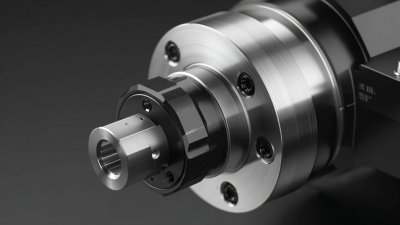
A right angle milling head is a machine tool attachment that turns the spindle axis by 90 degrees. It allows a vertical machine to cut surfaces normally reached from the side. The head connects to the machine spindle through a taper, flange, or dedicated coupling. Inside, precision gears transfer torque between two perpendicular shafts. Bearings support the shafts and control vibration during cutting. Some designs also include internal coolant passages or automatic tool clamping.

In practical machining, the attachment changes more than cutting direction. It affects clearance, tool length, rigidity, and programming. A short, rigid head usually produces cleaner walls and steadier dimensions. A longer head may reach deep features, but it can amplify chatter. I have seen operators focus on maximum speed and overlook torque at low rpm. That mistake can damage surface quality. Tool runout also matters. Even a small error becomes visible on a long cutter.

When comparing right angle milling head manufacturers in China, buyers should review gear materials, heat treatment, bearing quality, tested runout, and inspection records. Ask for load testing data, maintenance instructions, and compatible spindle specifications. The stated accuracy may be excellent, yet real performance depends on installation and alignment. A qualified technician should verify concentricity before production. Cooling deserves attention too. Poor heat control can change dimensions during extended cycles. No design is perfect. The best choice balances access, torque, speed, serviceability, and the actual workload.
Key Applications of Right Angle Milling Heads in Modern Machining

Top Right Angle Milling Head Manufacturers in China

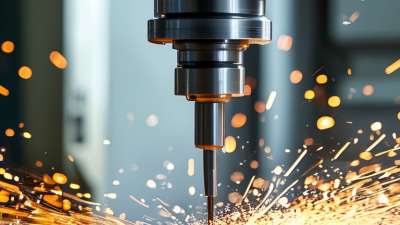
Right angle milling heads extend a machine tool’s reach into sidewalls, deep cavities, and angled surfaces. In aerospace work, they can machine rib pockets while reducing repeated fixture changes. In mold production, they help cut narrow channels where a standard spindle cannot enter. Automotive plants also use them for cross-hole drilling, chamfering, and multi-face milling.

Access matters. According to Grand View Research’s 2024 CNC machine market analysis, the global CNC machine market was valued at approximately USD 88.86 billion in 2023. This expansion reflects stronger demand for flexible, automated machining. A right angle head supports that flexibility, but only when torque, clearance, coolant delivery, and spindle compatibility are checked carefully. A compact head may reach tight areas, yet its smaller gearing can limit heavy cutting. This trade-off is easy to underestimate.

Modern machining also depends on measurable process control. Deloitte’s 2024 smart manufacturing survey reported that 86% of manufacturing leaders expect smart manufacturing to become a major competitiveness factor within five years. Right angle heads can support this shift through tool-life monitoring, preset angle data, and repeatable multi-axis operations. However, sensor data does not correct poor alignment. Operators should verify runout, angular accuracy, lubrication, and thermal behavior before production. Small details matter. In practice, even a well-designed head may perform poorly when setup discipline is weak or cutting parameters are copied without testing.

Top Right Angle Milling Head Manufacturers in China - Key Applications of Right Angle Milling Heads in Modern Machining

Application Area Typical Machining Task Common Tool Configuration Typical Right-Angle Head Specification Primary Benefit Important Selection Factor
Deep-side milling Machining vertical walls, pockets, and side faces that are difficult to reach with the main spindle End mills, shoulder mills, and indexable cutters 90° output orientation; compact body; collet or shell-mill arbor interface Improves tool access without changing the workholding setup Head length, clearance from the workpiece, and interference with fixtures
Multi-face machining Milling features on adjacent faces of prismatic components Short end mills and small-diameter face mills Fixed or indexable 90° head; automatic or manual orientation depending on machine configuration Reduces repositioning and can improve part datum consistency Indexing repeatability, locking rigidity, and CNC control compatibility
Large-part machining Machining side surfaces on molds, structural parts, and fabricated components Long-reach end mills and medium-size face mills High-torque transmission; reinforced housing; machine-compatible taper interface Extends the working envelope of a vertical machining center Torque capacity, bearing stiffness, coolant delivery, and allowable overhang
Mold and die machining Finishing ribs, deep cavities, undercut-adjacent walls, and narrow features Ball-nose cutters, tapered end mills, and small solid-carbide tools Low-runout spindle; compact nose; high-speed bearing arrangement Provides access to confined areas while supporting fine surface finishing Radial runout, balance quality, maximum speed, and thermal stability
Aerospace components Side milling of aluminum, titanium, and nickel-alloy structural features Lightweight solid-carbide tools and low-vibration indexable cutters High rigidity-to-weight ratio; controlled runout; suitable coolant passages Enables access to complex geometries and supports stable chip evacuation Vibration control, thermal management, tool balance, and process certification needs
Automotive components Machining transmission housings, engine parts, brackets, and fixture-based components Indexable shoulder mills, face mills, and carbide end mills Rigid 90° design; repeatable positioning; automatic tool-change compatibility where required Supports high-volume machining and shorter setup times Cycle-time requirements, tool-change method, coolant pressure, and maintenance access
Drilling and tapping at 90° Creating holes and threaded holes on side faces Twist drills, carbide drills, taps, and thread mills Right-angle drilling or tapping attachment; torque rating matched to tool size Adds side-hole capability without a separate horizontal machining operation Tapping synchronization, spindle orientation, torque limit, and chip evacuation
High-speed finishing Finishing curved or angled surfaces where tool direction affects surface quality Small-diameter ball-nose and polished solid-carbide cutters High-speed spindle; precision angular-contact bearings; dynamic balancing Can improve surface finish and reduce tool deflection in restricted orientations Maximum permissible speed, G2.5 or equivalent balance requirement, and runout control
Five-axis machining Accessing compound-angle features and machining around complex part geometry Ball-nose cutters, lollipop cutters, and tapered tools Compact head compatible with machine kinematics and collision-checking software Expands tool orientation options and may reduce multiple setups Post-processor support, collision envelope, machine travel, and rotary-axis limits
General-purpose production milling Routine side milling, slotting, chamfering, and face machining ER collet tools, end mills, chamfer mills, and small shell mills Common taper interfaces include BT, CAT, HSK, and ISO variants, subject to machine design Offers a flexible solution for standard CNC milling operations Machine taper, drawbar requirements, permissible cutter diameter, and service support

Note: Specifications shown are representative selection parameters for industrial right-angle milling heads. Actual speed, torque, cutter diameter, taper, coolant arrangement, and automation features vary by model and machine platform.

How to Evaluate Right Angle Milling Head Manufacturers in China

Evaluating right angle milling head manufacturers in China requires more than comparing catalog prices. Check the head’s interface, spindle speed, torque, gear ratio, and allowable cutting load. These details must match your machine, tooling system, and production material. A supplier should provide dimensional drawings, inspection records, and clear tolerance data. Ask for measured radial and axial runout, not only advertised accuracy.

Request evidence from real factory processes. Review material certificates, heat-treatment records, assembly procedures, and final testing methods. A reliable manufacturer can explain how technicians control bearing preload, lubrication, sealing, and vibration. Ask whether each unit receives a load test and temperature check. Photos of an assembled product help, but test reports carry more weight. Visit the facility when possible. Look at storage conditions, calibration labels, and traceability marks.

Do not judge support by fast replies alone. Confirm spare-part availability, warranty terms, installation guidance, and response times for technical problems. Request a sample head or a controlled trial on your machine. Measure surface finish, tool life, noise, and temperature after several hours. A polished catalog can still hide weak after-sales service. That mistake is costly. I would also examine customer references from similar machining applications, although references may not reveal every limitation. A transparent manufacturer should discuss unsuitable conditions, maintenance intervals, and design compromises without avoiding difficult questions.

Leading Types of Chinese Right Angle Milling Head Manufacturers

Top Right Angle Milling Head Manufacturers in China

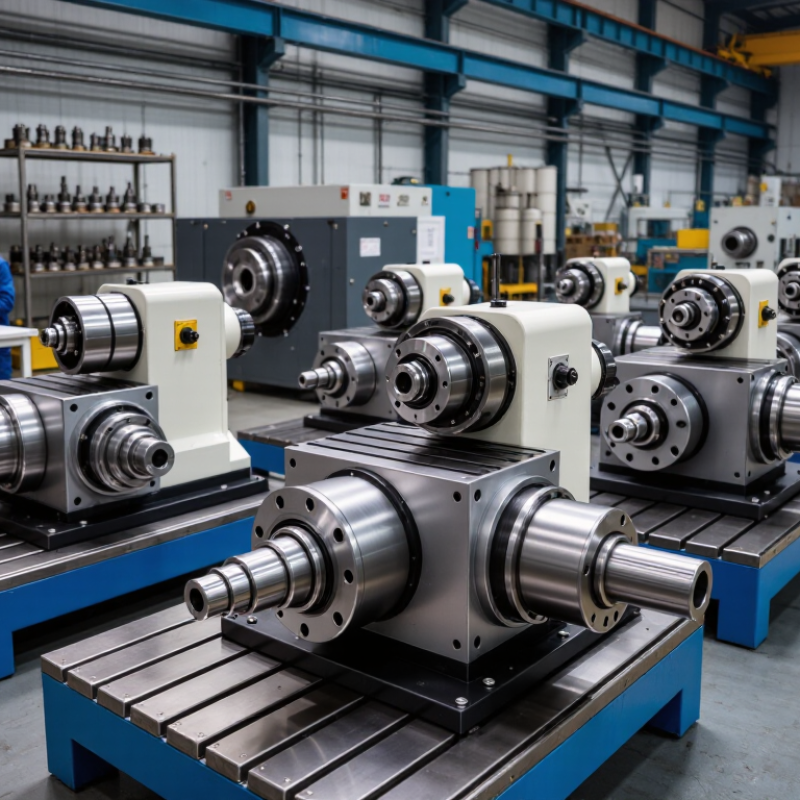
Chinese right angle milling head manufacturers generally fall into several practical categories. Integrated machine-tool factories design heads for specific machining centers and control systems. Specialist attachment manufacturers focus on compact housings, gear trains, spindle tapers, and repeatable positioning. Custom engineering workshops build modified heads for aerospace, energy, mold, and heavy equipment applications. Their production volumes may be smaller, but their technical communication can be more direct.

Export-oriented OEM manufacturers offer standardized right angle heads with common taper options, internal cooling, and automatic tool-change compatibility. Some also provide extended-reach, dual-output, or high-torque designs. Buyers should examine drawings, allowable speed, torque curves, backlash data, and spindle runout records. A clear inspection report is more useful than a polished catalog.

In factory evaluations, check how manufacturers measure alignment and balance. Ask for trial-cut videos, material certificates, and documented test procedures. Housing rigidity matters when cutting steel, while sealing quality matters in wet workshops. Service capability also deserves attention. Replacement gears, bearings, and technical drawings should remain available after delivery. No supplier is perfect. I would question any claim without measured tolerances. A sample test may reveal vibration, heat buildup, or tool-changing delays that specifications miss. The strongest Chinese manufacturers combine machining experience, application engineering, and honest limits.

Typical Right-Angle Milling Head Types from Chinese Manufacturers

The chart compares representative spindle-speed ranges commonly associated with major right-angle milling head configurations. Fixed 90-degree heads are generally designed for rigid, heavy-duty cutting, while compact and tilting designs typically support higher speeds and greater machining flexibility. Actual specifications vary according to taper, motor power, tooling system, cooling method, and machine compatibility.

Quality, Customization, and Service Factors for Buyer Selection

Top Right Angle Milling Head Manufacturers in China: Quality, Customization, and Service Factors for Buyer Selection

Quality should be verified through measurements, not attractive brochures. ISO 230-1 defines tests for machine-tool accuracy and repeatability. Buyers should request radial runout, angular accuracy, vibration, and thermal drift records. A practical trial can reveal more than a factory presentation. Cut hardened steel for several hours. Then inspect surface finish and bearing temperature.

Customization matters when the head must fit an existing machining center. Check spindle taper, gear ratio, coolant passages, encoder feedback, and automatic tool-change clearance. The International Federation of Robotics reported 276,288 industrial robot installations in China during 2023, representing 51% of global installations. This growth increases demand for compact, automated machining solutions. However, a customized interface can create maintenance risks. Ask for drawings, tolerance tables, and replacement-part compatibility before approval.

Service quality often separates capable manufacturers from merely affordable suppliers. ISO 10791 testing can support evaluation of machining-center performance, but documentation must match the delivered unit. Confirm response times, remote diagnostics, technician coverage, and spare-bearing availability. Request a factory acceptance test with recorded data. Some suppliers provide excellent engineering support, yet their English manuals remain unclear. That weakness deserves attention. A lower purchase price may become expensive when calibration files, training, or urgent repairs are unavailable.