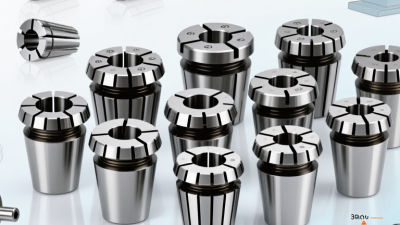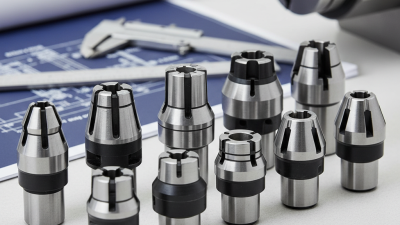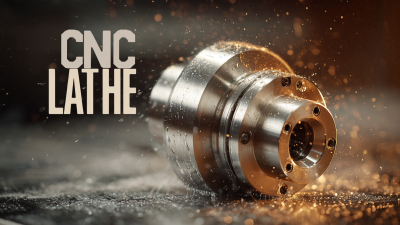
China’s top Pull Type Collet manufacturers serve machine shops, automation builders, and distributors seeking dependable workholding components. A pull type collet is drawn into a matching taper to grip a tool or workpiece. Its performance depends on the complete setup, not the collet alone. Spindle interface, size range, material, and operating conditions all matter.
This guide introduces ten manufacturers and offers practical points for comparing their capabilities. Look beyond catalog photos. Check dimensional drawings, stated tolerances, available materials, and compatibility with your machine or holder. A sample part can reveal details that a product page may miss: a rough finish, an inconsistent slot, or a fit that feels slightly wrong. Small details matter.
Manufacturer information can change, and a ranked list cannot replace direct technical checks. Ask suppliers how they inspect parts and whether they can provide relevant documentation. Confirm lead times, packaging, and customization options before placing an order. These are ordinary questions, but they can prevent costly delays. No brochure answers everything.
The companies in this overview should be treated as starting points, not automatic endorsements. Compare each supplier against your application, then verify specifications with its technical team. Some manufacturers may publish less detail than buyers would like. That deserves attention, not assumption. A careful comparison helps identify a Pull Type Collet supplier whose products, support, and quality controls fit the job.
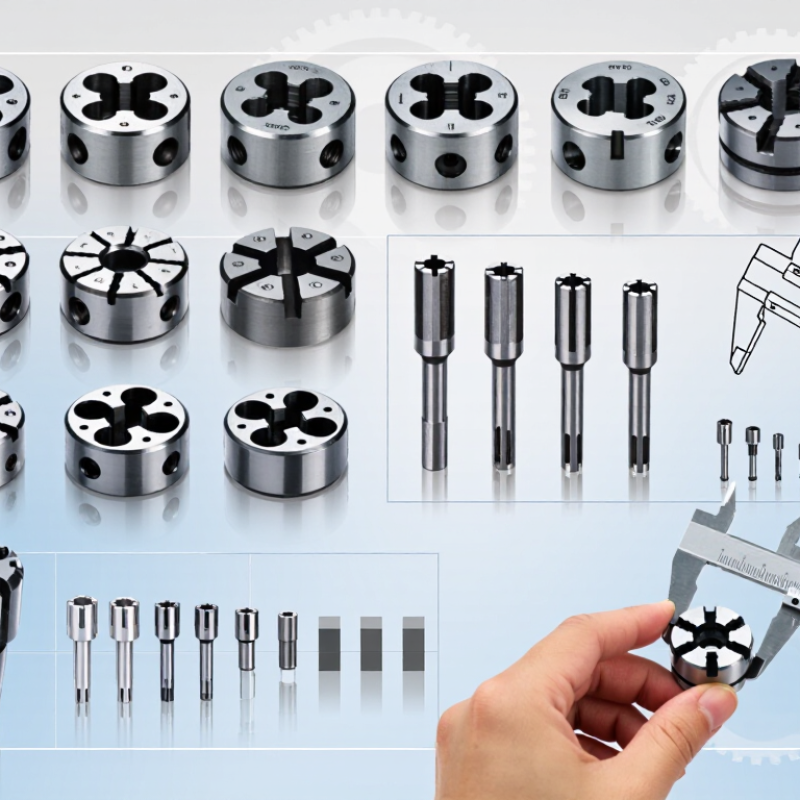
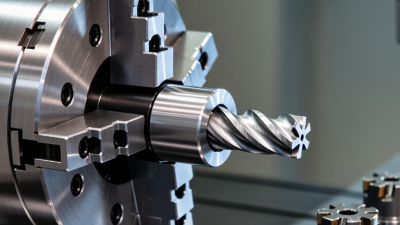
A pull-type collet grips a workpiece when a drawbar pulls the collet into a tapered seat. The taper converts axial movement into radial clamping force. On a CNC lathe, this arrangement can support quick loading and consistent positioning during repeated bar-fed cycles. Small details matter: a chip on the seating surface can affect runout, while excessive draw force may mark softer stock. The collet is precise, but not forgiving.
Industrial demand provides useful context. Grand View Research valued the global CNC machine market at about USD 101.22 billion in 2023 and forecast a 10.3% compound annual growth rate from 2024 to 2030. That estimate describes the broader equipment market, not collets alone. Still, it reflects the expanding role of automated machining, where dependable workholding helps reduce interruptions. A setup can look correct and still drift.
Pull-type collets are commonly selected for turning operations involving round bar, especially when repeatability and compact spindle access matter. The International Federation of Robotics reported 4,281,585 industrial robots operating in factories worldwide in 2023, in its World Robotics 2024 report. Automation raises the value of predictable clamping, but it does not remove the need for inspection. Operators should check collet wear, cleanliness, and workpiece diameter against the application. A quick visual check is not enough.
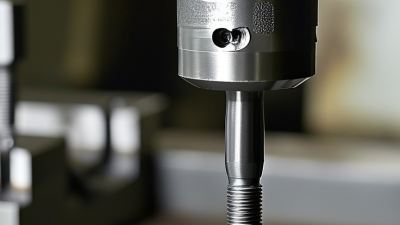
China’s pull-type collet manufacturers should be evaluated on measurable performance, not catalog claims alone. Check whether the collet matches the spindle interface, workpiece range, and expected operating speed. Ask for runout figures and the conditions used to measure them. A reading taken near the collet nose may differ from one taken farther away. Numbers need context.
Material quality and heat treatment affect wear and clamping consistency. Look for clear specifications, inspection records, and traceable quality checks. Then test sample parts under realistic conditions: mount the collet, clamp a ground steel bar, and measure repeatability across several cycles. Note any movement, vibration, or uneven marks on the bar. One successful test is not enough.
Manufacturing capability also matters. A supplier should explain how it controls dimensions, handles custom interfaces, and responds when a batch falls outside specification. Ask about lead times and replacement procedures, but verify the answers with written documents. A polished response is useful, though it is not proof. I would still question unusually broad claims about precision without supporting test data. Small differences in setup can change results, so buyers should compare suppliers using the same spindle, gauge, and measurement method.
Profiles of ten Chinese pull-type collet manufacturers are most useful when they show how each supplier handles real machining requirements. A pull-type collet grips the workpiece as the drawbar retracts, so fit, concentricity, and repeatable clamping matter. The profiles can compare supported spindle interfaces, collet size ranges, materials, and options for non-standard dimensions. Small details matter.
For each manufacturer, buyers should look for measurable specifications rather than broad claims. Runout figures need a stated measurement position, and clamping capacity should match the workpiece material and operation. Clear drawings, inspection records, and sample availability help engineers verify suitability before ordering. Ask how the supplier controls heat treatment and dimensional consistency between production batches. A polished catalogue alone proves little.
Service and communication also distinguish suppliers. A practical profile should note typical lead times, export packaging, technical response, and whether replacement collets remain available. These points affect production planning as much as the quoted price. Comparisons have limits: published data may not reflect a specific machine, setup, or cutting load. That is easy to overlook. Requesting a trial piece and checking it on the target spindle can reveal fit issues that a profile cannot.
Comparing Product Range, Precision, and Manufacturing Capabilities
A useful comparison of pull-type collet manufacturers starts with application fit, not catalog size. Look for ranges covering the required bar diameters, spindle interfaces, and workpiece profiles. For a small turned component, inspect how securely the collet grips thin stock without leaving jaw marks. Fit matters. Grand View Research estimated the global machine tools market at about US$84 billion in 2023, reflecting broad investment in machining capacity. That figure is market context, not proof of collet quality.
Precision claims need measurable evidence. Ask for runout limits, repeatability data, inspection methods, and test conditions. A runout figure without the measurement location or spindle setup is hard to compare. ISO 230-2:2014 provides methods for testing machine-tool positioning accuracy and repeatability; it is a useful reference, though it does not certify a collet by itself. Manufacturing capability matters too: review heat-treatment controls, material traceability, grinding processes, and inspection records. A polished sample is not enough.
Supplier comparisons should also consider custom sizing, lead times, and replacement availability. These details affect production downtime as much as stated tolerances. Rankings can mislead. A manufacturer with fewer standard sizes may still suit a specialized turning job, while a broad catalog may not match a particular spindle. In practice, test a sample on the intended machine and record runout across several setups. This takes time, and I would not treat one successful trial as a guarantee of long-term consistency.
Comparison note: The table below summarizes ten practical evaluation dimensions and indicative industry benchmarks. It does not identify or rank specific manufacturers; actual specifications vary by collet design, size, workpiece, and measurement method. Request current drawings and inspection records when comparing suppliers.
| No. | Comparison Dimension | Indicative Range or Capability to Check | What to Verify with the Supplier |
|---|---|---|---|
| 1 | Product range | Pull-type collets are commonly offered in standard size families as well as machine-specific and workpiece-specific designs. | Check the size chart, nose and thread dimensions, machine compatibility, and availability of custom profiles. |
| 2 | Workpiece range | Capacity is design-specific; collets may be made for round, hexagonal, square, or other shaped stock. | Confirm the gripping shape, nominal capacity, permitted stock variation, and contact length for the intended workpiece. |
| 3 | Runout precision | Precision claims are application- and size-dependent; a few micrometres to several hundredths of a millimetre may be specified across different products. | Request the maximum runout, test mandrel size, measurement location, and whether the value is total indicated runout (TIR). |
| 4 | Repeatability | Repeatability depends on collet condition, drawbar setup, cleanliness, stock consistency, and the machine interface; there is no single universal value. | Ask for repeated-clamping test results under a stated setup, rather than relying on an unqualified precision claim. |
| 5 | Material options | Spring steels are commonly used; alloy and grade selection depends on required elasticity, wear resistance, and operating conditions. | Verify the material grade, traceability, heat-treatment process, and suitability for the workpiece and coolant environment. |
| 6 | Hardness and heat treatment | Hardness varies with the steel and design; suppliers should specify the target range for each product rather than applying one value to all collets. | Request a hardness specification, test location, and inspection or material certificate for the production batch. |
| 7 | Manufacturing processes | Relevant operations may include turning, slotting, heat treatment, cylindrical or internal grinding, and final inspection. | Check which precision operations are performed in-house and how process changes are controlled. |
| 8 | Inspection capability | Useful checks include dimensional inspection, runout measurement, hardness testing, and inspection of the gripping bore and mounting interface. | Request a sample inspection report showing the measurement method, equipment, and acceptance limits. |
| 9 | Customization and engineering support | Custom gripping profiles, dimensions, and interfaces may be available when drawings or representative samples are provided. | Confirm drawing review, prototype approval, revision control, and production approval procedures. |
| 10 | Quality and delivery controls | Lead time, batch consistency, packaging, and quality-system coverage vary by supplier and order requirements. | Confirm order-specific lead time, lot traceability, nonconformance handling, export packaging, and applicable quality certifications. |
Selecting a Chinese pull-type collet manufacturer starts with your machine, not a catalog. Confirm the spindle interface, collet dimensions, pull-back travel, clamping range, and required runout. A small mismatch can cause vibration or inconsistent grip. Ask for a dimensional drawing and tolerance details before requesting a quotation. Compare manufacturers on engineering support and inspection capability, not price alone.
Request information on material, heat treatment, grinding, and final inspection. Ask how runout is measured and whether inspection results can be provided with a sample. Test the collet in your own spindle using the workpiece material and operating speed you expect. Check repeatability across several clamping cycles. A polished sample is useful, but it cannot prove stable production quality. Buyers can also overlook packaging and replacement availability; those details matter when a tool is needed on a tight schedule. I would not rely on promises alone.
Tips: Send a drawing, machine model, and target tolerances with your inquiry. Request a sample and confirm lead time, payment terms, and defect handling in writing. Keep one measurement point for comparison. It is easy to miss.